Park Chan-Wook è senza ombra di dubbio una della figure più interessanti del panorama cinematografico mondiale di questo secolo, pur avendo giocato un ruolo di spicco nel far conoscere il cinema coreano in tutto il mondo, sarebbe riduttivo relegare il suo cinema ad un mero specchio della sua cultura e società. La capacità di produrre arte universale è un dono che in pochi hanno, e non è un qualcosa che si evince solo da un’”oggetiva” qualità, ma dall’impatto che un’opera suscita sulla storia di quell’arte.
La sua ultima fatica, No Other Choice, è un’opera gigantesca, brillante e coinvolgente, che restituisce in modo unico il sempre più necessario connubio tra autorialità ed intrattenimento. Sembra la più grande delle banalità, ma questo film fa riflettere, su noi stessi e sulla società in cui viviamo, tenendoci incollati allo schermo. Un’equilibrio quasi irraggiungibile nella folle e bulimica industria cinematografica attuale.
Avere la fortuna di poter fare qualche domanda su questo lavoro a colui che lo ha realizzato permette di scendere ancora più in profondità in un’opera e in un cinema che stanno riuscendo a raccontare, come pochi altri, la complessità di un reale tanto locale quanto universale. L’enfasi sulla contemporaneità non appare mai ridondante, ma è sintomo di un genuino interesse e timore per lo stato delle cose.
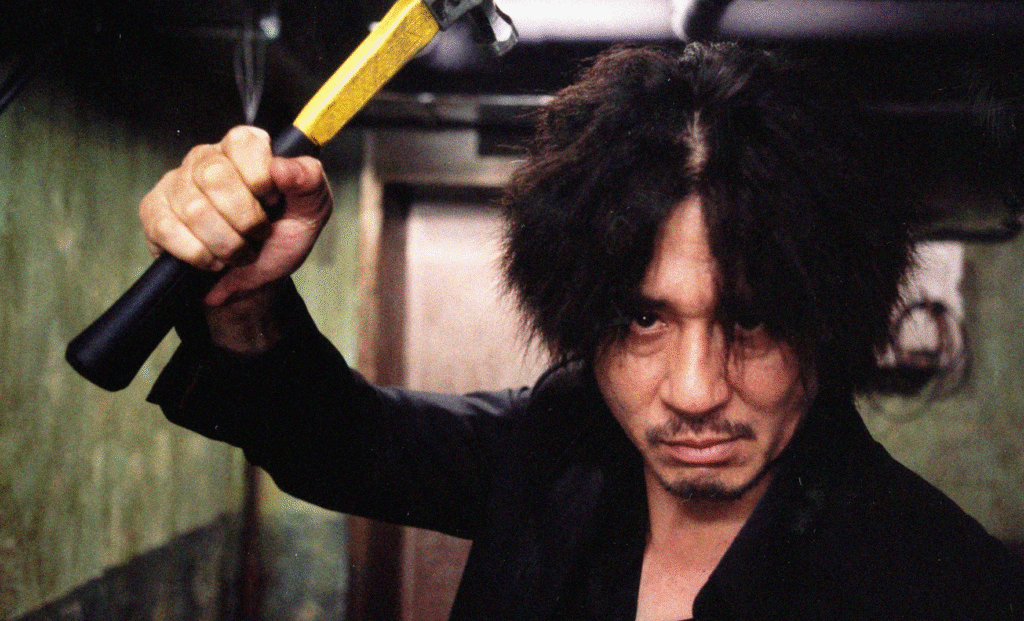
L’apparente inconsapevolezza di stare scrivendo un capitolo di storia del cinema è ciò che più stupisce. Autori come lo stesso Park Chan-wook, Kim Ki-duk, Lee Chan-dong o Bong Joon-ho, stanno operando in modo simile a quanto accaduto nel nostro paese in ambito cinematografico durante il ventennio del dopoguerra, e la cosa più interessante è che forse non se ne rendono conto. Raccontano storie che sono spaccato e sintesi della società contemporanea e degli individui che la abitano, danzando tra il cinema più di genere e quello più autoriale.
Questo denota il peso artistico e sociale di grandi autori, guidati dall’urgenza di raccontare, di mostrare, e di far sentire sulla pelle dello spettatore un mondo in uno stato di costante entropia.

Buongiorno, mi chiamo Lorenzo e lavoro per ArteSettima, un collettivo artistico dedicato al cinema.
Ringrazio lei e Lucky Red per questa opportunità; per me è un onore, da grande ammiratore del suo cinema.
Se per lei va bene, vorrei farle alcune domande, partendo da alcune riflessioni che ho fatto sul suo ultimo lavoro, “No Other Choice”, che ho avuto la fortuna di vedere alla Mostra del Cinema di Venezia e che uscirà in Italia il 1° gennaio grazie a Lucky Red.
PARK CHAN WOOK
Piacere di conoscerti.
No Other Choice racconta una storia allo stesso tempo individuale e sociale, che si confronta con un presente instabile e in continuo mutamento. Come è nata l’idea di quest’opera, e quanto è complesso per un regista lavorare su un mondo e una società che continuano a cambiare mentre vengono rappresentati?
PARK CHAN WOOK
Questo film è basato sul romanzo “The Ax”, e ho scelto di leggere “The Ax” per una ragione molto semplice: lo scrittore di quel romanzo ha scritto anche un altro romanzo da cui è tratto uno dei miei film preferiti, “Point Blank”.
Inoltre, la storia parla dell’industria della produzione della carta, un ambito che non conoscevo, ma ho provato un senso di familiarità nei confronti dei personaggi. Credo che ciò dipenda dal fatto che, proprio come i personaggi della storia, anche io, come regista, identifico il mio lavoro con la mia identità.
Un altro aspetto su cui mi sono concentrato è che questa è una storia su una persona che perde il lavoro. In passato esistevano storie in cui la perdita del lavoro comportava immediatamente il rischio di morire di fame; nella società moderna, invece, perdere il lavoro non porta a conseguenze così drastiche.
Eppure, il personaggio della storia sceglie il metodo estremo del “serial killer” a causa del desiderio materiale che ha come membro della classe media: non vuole scendere al di sotto dello stile di vita della classe media. Questo è un elemento che mi ha molto interessato e su cui ho cercato di concentrarmi nell’adattamento.
Penso che questa sia una delle caratteristiche della società consumistica in cui viviamo. Un altro elemento che ho inserito nella sceneggiatura per riflettere i cambiamenti della società moderna è, verso la fine del film, l’introduzione dell’IA in una scena, naturalmente questo non era presente nel romanzo originale. Alla fine della storia ci rendiamo conto che tutto ciò che Man-soo ha fatto è stato inutile, e che proprio l’atto compiuto per proteggere la sua famiglia è ciò che ha portato alla disgregazione della famiglia stessa.
Inoltre, l’IA aggiunge un ulteriore livello di futilità: Man-soo ha attraversato questo lungo processo di ricerca del lavoro, eliminando i suoi concorrenti umani per ottenere il posto che desiderava, solo per trovarsi di fronte a un concorrente artificiale. Questo prefigura il fatto che potrebbe essere cacciato anche dal lavoro che ha trovato alla fine del film, rendendo vano l’intero percorso di ricerca.
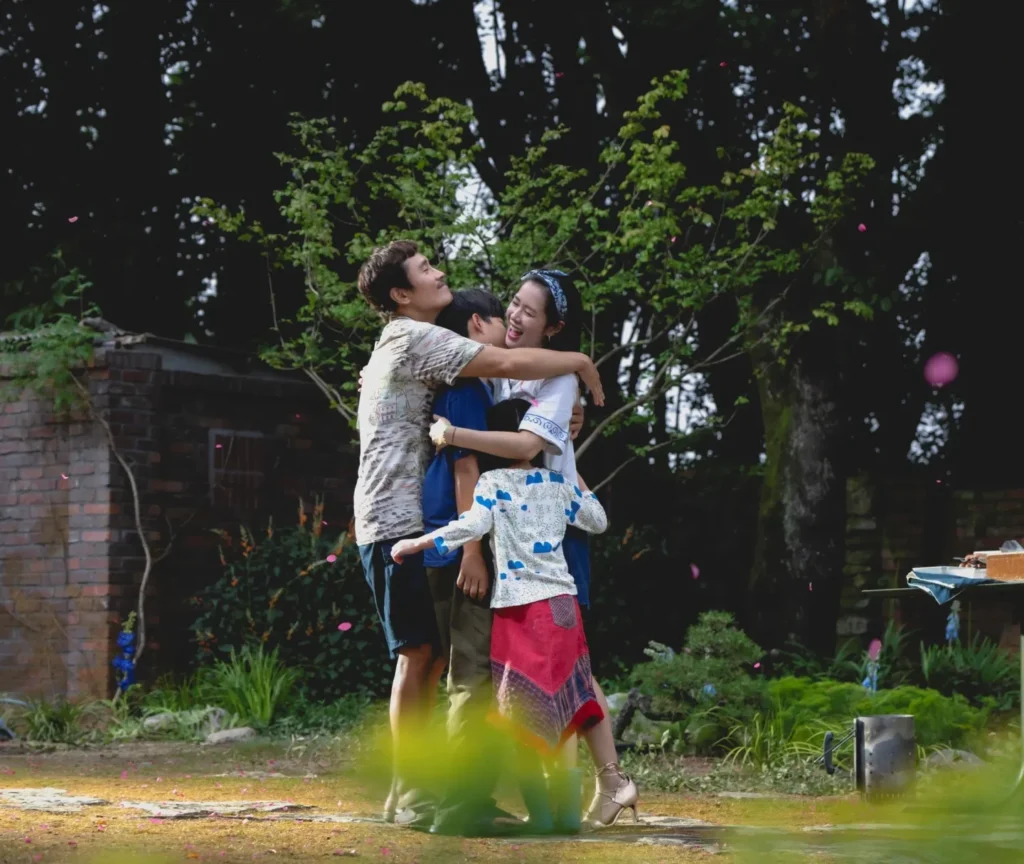
In “No Other Choice” la dimensione quasi comica emerge spesso da situazioni grottesche e momenti di tensione, con questi due aspetti che si fondono e vengono incarnati perfettamente dal protagonista. Qual è, per lei, il ruolo della risata? È un meccanismo di difesa o la risposta più appropriata alla follia della società moderna?
PARK CHAN WOOK
Posso certamente dire che l’umorismo non è stato usato come meccanismo di difesa nel film. A volte la risata viene utilizzata per rendere la storia più morbida per il pubblico, per rendere più tollerabili storie tragiche o violente, ma non era questo il mio intento.
In realtà volevo che l’umorismo rendesse la tragedia ancora più tragica e i momenti spaventosi ancora più spaventosi.
Un altro aspetto che ho notato è una fortissima vena satirica, che è anche molto emotiva, collegata a ciò che diceva sul ruolo della risata nella tragedia. Vedo molte somiglianze con il cinema italiano del dopoguerra, e in particolare con la commedia all’italiana, con autori come Ettore Scola, Dino Risi e Mario Monicelli.
Pensa che il cinema coreano degli ultimi vent’anni stia vivendo un momento simile, con diversi grandi autori che dialogano tra loro e con la società?
PARK CHAN WOOK
Non credo di conoscere abbastanza bene il cinema italiano per poter dare una risposta adeguata.

La tecnica del “bunjae”, praticata dal protagonista, consiste nella volontà umana di alterare le traiettorie della natura. Il suo protagonista cerca anche di imporre questa volontà sugli altri personaggi e sulla società che lo circonda, per rimodellarla a proprio vantaggio. Pensa che gli esseri umani possiedano ancora questo potere? Oppure la società è diventata così complessa da essersi ormai distaccata dagli esseri umani e dalla loro volontà?
PARK CHAN WOOK
Penso che gli individui abbiano ancora il potere di influenzare la società, e credo che debba essere così: se non lo si crede, si finisce per adottare una filosofia fallimentare e pessimista. Ritengo quindi che possiamo ancora continuare a cambiare la società attraverso l’arte o i movimenti sociali.
Soprattutto nell’era di Internet, siamo fortemente influenzati dal mondo che ci circonda proprio a causa di Internet stesso, ma allo stesso tempo possiamo influenzare il mondo in egual misura. I video su YouTube realizzati con un budget molto ridotto possono avere un grande impatto sulla società contemporanea.
E penso che i coreani vivano spesso questa esperienza nella vita quotidiana. Per esempio, quando il precedente presidente annunciò la legge marziale, centinaia di cittadini corsero al parlamento per impedire ai soldati di entrare. Grazie a ciò, il parlamento riuscì a revocare la legge marziale. Abbiamo quindi già visto come pochi individui possano influenzare e cambiare la storia nella società moderna.
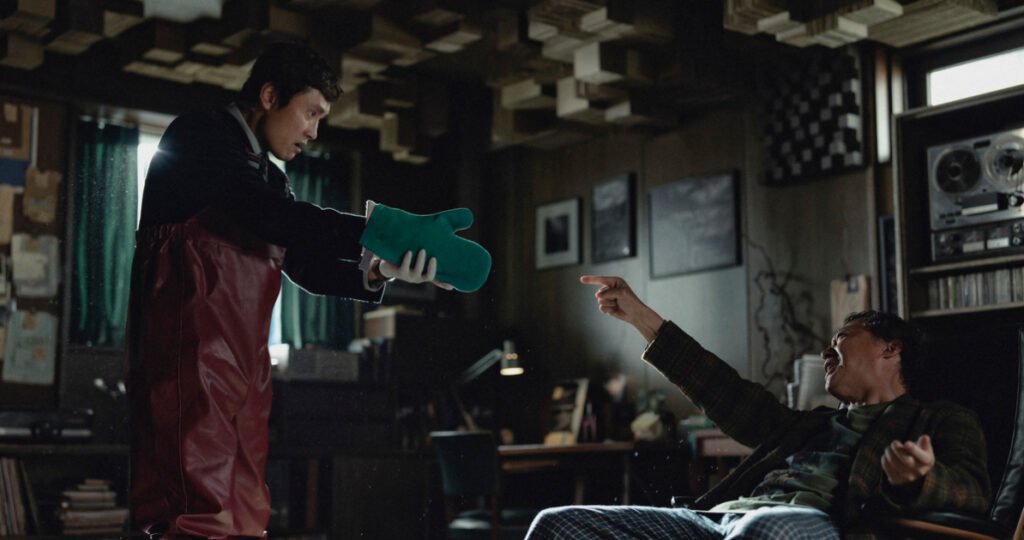
La ringrazio, ho solo un’ultima domanda: se dovesse immaginare uno spettatore che guarda “No Other Choice” tra dieci o vent’anni, quale tipo di testimonianza sulla nostra società vorrebbe che il film lasciasse?
PARK CHAN WOOK
Credo che dipenderà da uno dei principali argomenti di interesse e di timore affrontati dal film, cioè il modo in cui l’IA sta rubando il lavoro alle persone.
Nell’ultima scena del film vediamo le luci della fabbrica spegnersi una dopo l’altra, ed è il risultato del sistema d’illuminzaione automatico gestito robotticamente, in cui sostanzialmente l’IA ha deciso di scacciare Man-soo, ovvero l’essere umano, dalla fabbrica, ed è una rappresentazione visiva di come l’IA stia sostituendo e cacciando le persone dalle loro mansioni.
Dopo questa scena vediamo i robot abbattere spietatamente gli alberi nella foresta. Il film si conclude quindi con un tono piuttosto apocalittico e immagini violente, e spero che in un futuro, tra vent’anni, le persone possano guardare questo film e riderne, definendolo un’inutile opera di propaganda pessimistica.
Grazie mille per il suo tempo e per questo splendido film.
PARK CHAN WOOK
Grazie a te!
Intervista in inglese
Good morning, my name is Lorenzo and I work for ArteSettima, an artistic collective dedicated to cinema. Thank you and Lucky Red for this opportunity; it is an honour for me, as a great fan of your cinema. If that is okay for you, I would like to ask you a few questions, starting from some thoughts I had on your latest work, “No Other Choice”, which I had the luck to see at the Venice Film Festival and which will be released in Italy on January 1st, thanks to Lucky Red.
PARK CHAN WOOK
Nice to meet you.
I: “No Other Choice” tells a story that is both individual and social, confronting an unstable present that is constantly changing. How did the idea for this work come about, and how complex is for a director to work on a world, and a society, that continues to change while it’s being portrayed?
PCW: This film is based on the novel “The Ax”, and I chose to read “The Ax” for a very simple reason, which is that the writer of that novel also wrote a novel that one of my favourite films, “Point Blank”, is based on.
Also, the story is about paper manufacture industry, which I wasn’t familiar with, but I felt a sense of familiarity with the characters, and I think that the reason for that is because just like the characters in the story, as a filmmaker I also equate my job to my identity.
And something else that I focused on was this is a story about someone who loses their job, and in the past there were stories about how people lose their job and because of that they were immediately at the threat of starving to death, but in modern society just because you lose your job we don’t have quite a dramatic result, and yet this character in the story chooses the extreme method of a “serial killer”, because of the worldly desire that he has as a member of the middle class, how he doesn’t want to fall below the lifestyle of the middle class, that is also something that interested me and I tried to focus on in my adaptation.
I think that is one of the qualities of the consumerist society that we live in, and another thing that I incorporated into the script to reflect the changes of our modern society was near the end of the film, when I incorporated AI into the scene, of course this was something that wasn’t present in the original novel, and at the end of the story we realize that everything that Man-soo did was futile, and the very act that he did to protect his family is what made his family fall apart.
On top of that AI has another layer of futility, in the sense that he has gone through this job hunt, and eliminated his human competitors to find the job he wants, only to be encountered whit this AI competitor, which foreshadows that he might be kicked out of the job he has found at the end of the film as well, which also made his job hunting process futile as well.
I: In “No Other Choice” the almost-comic dimension often arises from grotesque situations and moments of tension, with these two aspects blending together and being perfectly embodied by the protagonist. What is, for you, the role of laughter? Is it a defence mechanism, or the most appropriate response to the madness of the modern society?
PCW: I can certainly say that humour was not used as a defence mechanism in the film, so laughter is sometimes used to make the story feel softer for the audience, to make tragic or violent stories feel more tolerable for the audience to watch, but that is not something that I wanted for the film.
I actually wanted the humour to make the tragedy even more tragic, and make the scary moments even scarier.
I: Another thing that I noticed is a very strong satirical vein, which is also very emotional, related to what you just said about the role of the laughter in the tragedy. I see a lot of similarities with postwar Italian cinema, and in particular at Italian comedy, with authors such as Ettore Scola, Dino Risi, and Mario Monicelli. Do you think that Korean cinema of the last twenty years is experiencing a similar moment, with several great authors dialoguing with one another and with society?
PCW: I don’t think I am familiar enough with Italian cinema to be able to give a response for that.
I: The “bunjae” technique, practiced by the protagonist, consists in the human will to alter the trajectories of nature. Your protagonist also tries to impose his will on other characters and on the society around him, in order to reshape it to his own advantage. Do you think human beings still possess this power? Or has society become so complex that it is now detached from human beings and their will?
PCW: I think individuals still have the power to influence society, and I think it has to be the case, if you don’t believe that it will be a very defeated philosophy, so I think that we can still continue to change society through arts or social movements.
Especially in the age of the internet, we are greatly influenced by the world around us because of the internet, but at the same time we can equally influence the world around us as well, just like YouTube videos made on a very small budget can have a great influence on society.
And I think Koreans actually experience this a lot in our daily life, for instance when the past president announced martial law, hundreds of citizens ran to the senate to stop the soldiers from entering, and because of that the senate was able to renounce the martial law, so we have already witnessed how few individuals can affect and change history in the modern society.
I: Thank you, I have just one last question, if you were to imagine a viewer watching “No Other Choice” ten or twenty years from now, what kind of testimony about our society would you like the film to leave?
PCW: I think it will depend on one of the greatest interests and concerns the film is dealing with, which is how AI is stealing jobs from people.
So, in the last scene of the film, we see how the lights of the factory begin to go off one by one, and this is the result of the lights-off system, where the AI has decided to chase Man-soo, the human being, out of the factory, so is a visualization of how AI is chasing people out of their jobs.
After that scene we see the robots ruthlessly cutting down the trees in the forest, so the film end in a quite apocalyptic tone and violent images, and I hope for a future where twenty years later people are able to laugh over this film, and call it an unnecessary pessimistic propaganda film.
I: Thank you very much for your time and for this wonderful film.
PCW: Thank you!
-

“Tu non vuoi cambiare il mondo, tu vuoi capirlo per trovare il modo di riuscire a viverci.”
– 4321, Paul Auster