
Four Points Flex by Sheraton Osaka Shinsaibashi (Image: Marriott International)
KKR has completed the sale of a portfolio of 16 hotels across Japan, according to a statement by the Manhattan-based company this week, with market sources confirming to Mingtiandi that Singapore sovereign fund GIC paid around JPY 200 billion ($1.26 billion) for the properties, marking one of the year’s biggest hospitality transactions in Asia’s second-largest economy.
The US private equity giant announced Thursday that funds managed by the firm had sold the Four Points Flex by Sheraton portfolio to an unnamed “leading global institutional investor”. The hotels span 11 cities, including Greater Tokyo, Osaka, Kyoto and Fukuoka, with locations near major transport links and business and leisure districts.
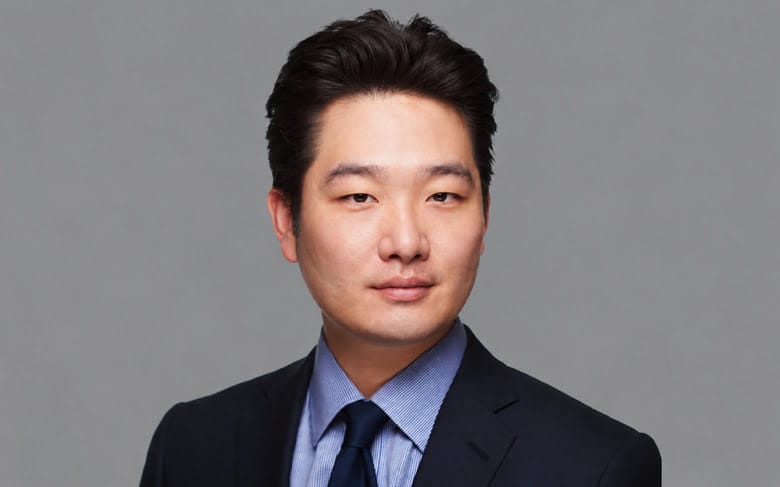
“We saw an opportunity to reposition this portfolio for Japan’s growing demand for high-quality, accessible accommodation,” said David Cheong, head of acquisitions for KKR’s Asia real estate team. Cheong said the firm plans to pursue further opportunities in Japan’s hospitality sector, which KKR continues to view as a key market.
KKR opted not to provide further details when asked about GIC’s involvement in the transaction, while a representative for the $936 billion Singaporean fund declined to comment. GIC’s latest purchase comes four years after it agreed to pay an estimated JPY 150 billion (then $1.3 billion) for 31 hospitality and leisure properties from Seibu Holdings, including 15 Prince hotels across Japan.
Marriott Makeover
KKR acquired the core of the portfolio from troubled hotel and property operator Unizo Holdings in 2024, with the original 14 assets comprising more than 3,600 rooms across 10 cities including Yokohama, Osaka, Kyoto and Kobe. The properties were acquired after Unizo had selected KKR as its restructuring sponsor.

David Cheong, head of acquisitions for KKR’s Asia real estate team (Image: KKR)
The US manager then teamed with Marriott International to bring the hotel giant’s midscale Four Points Express by Sheraton brand to Asia Pacific, with the properties subsequently operating under the renamed Four Points Flex by Sheraton banner. The tie-up gave the hotels access to Marriott’s global distribution network and Bonvoy loyalty programme.
KKR said it carried out a comprehensive renovation programme while overhauling the management team and corporate structure of the hotel platform. The firm also introduced institutional budgeting, reporting and revenue-management systems aimed at improving pricing and occupancy, alongside upgrades to human resources and other operating practices.
The sale does not mark a complete exit from the business for KKR. KJRM, the Japanese asset manager acquired by KKR in 2022, will continue managing the portfolio for GIC, while K+ Hospitality Management, KKR’s dedicated Japanese hotel operating platform, will keep running the properties. KJRM also plans to work with the new owner to add further stabilised Japan hotel investments to the portfolio. JLL is understood to have advised KKR on the disposal.
Dan Voellm, founder and CEO of AP Hospitality Advisors, described the transaction as another successful value-add play in Japan’s hotel market, saying KKR had nearly doubled the portfolio’s value. He also pointed to GIC’s earlier acquisition of the 31-property Prince portfolio as evidence of the Singapore fund’s expanding hospitality footprint in the country.
KKR has already demonstrated a similar buy-fix-sell approach at the Hyatt Regency Tokyo, which it acquired with Hong Kong’s Gaw Capital Partners in 2023 for a reported $409.3 million. The partners renovated the Shinjuku hotel before selling it to Japan Hotel REIT during the third quarter of 2025 in a deal valuing the property at JPY 120 billion, then $813.6 million.
Hospitality Stays Hot
The GIC transaction comes as Japan continues to lead Asia Pacific’s hotel investment market, with acquisitions reaching $1.9 billion during the first half of 2026, according to JLL. Investment volume jumped 75 percent from the same period a year earlier as institutional investors continued to favour hospitality assets amid strengthening tourism demand.
In July, TPG was reported to be planning the sale of the 882-room Grand Nikko Tokyo Daiba to Japan Hotel REIT at a price of JPY 140 billion, potentially marking a 32 percent gross uplift from the JPY 106 billion that TPG and Kenedix paid less than two years earlier. Japan Hotel REIT denied that it was in talks to acquire the waterfront property.
That report followed Japan Hotel REIT’s agreement to sell the 280-room Beach Tower Okinawa for JPY 30.9 billion while acquiring the 496-key Candeo Hotels Osaka Namba for JPY 14.3 billion. The SC Capital-sponsored trust expects to book a JPY 24.1 billion gain on the Okinawa disposal and plans to recycle the proceeds into acquisitions, renovations and its balance sheet.
Other investors have continued adding Japanese hospitality assets, with Singapore-based AB Capital Investment this month acquiring the 161-room Residence Hotel Stripe Sapporo for refurbishment and repositioning, taking its Japan hotel portfolio to 15 properties. The fund manager has also acquired hotels in Sapporo, Kanagawa and Osaka as it builds out a value-add hospitality strategy across the country.
For GIC, the KKR purchase adds another 16 hotels to a Japan hospitality portfolio already built around its landmark Seibu transaction, while providing KKR with a major realisation from the tourism rebound without surrendering its asset management and operating platforms.
KKR said Thursday that Japan remains one of the most important markets for its real estate strategy and that it retains “strong conviction” in the long-term fundamentals of the country’s hospitality sector.