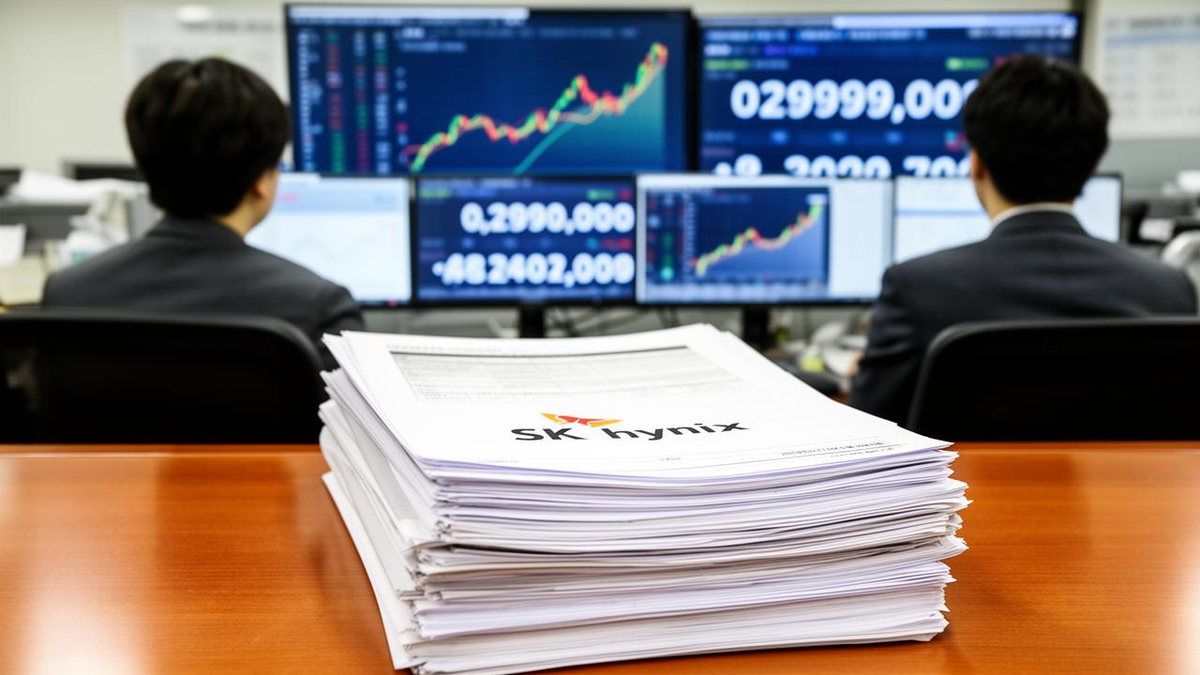
With South Korea’s first-half national tax revenue hitting a record 223 trillion won (approximately $155.8 billion), the scale of additional tax revenue driven by the semiconductor industry’s “super boom” is expected to come into focus from mid-month. Samsung Electronics and SK Hynix are set to file and pay their corporate tax midterm prepayments by Aug. 31.
The National Tax Service said the filing and payment period for corporate tax midterm prepayments for December fiscal year-end companies began Aug. 4. A total of 545,000 corporations are eligible, up 17,000 from last year. Companies can choose between paying 50% of the tax calculated for the previous business year or using the interim-closing method based on first-half results.
However, approximately 2,600 affiliates of publicly-disclosed business groups designated by the Fair Trade Commission (excluding small and medium-sized enterprises) must file and pay using the interim-closing method only. As a result, when Samsung Electronics and SK Hynix file their corporate tax prepayments based on interim closings, the approximate scale of this year’s total tax revenue overperformance should become predictable.
Samsung Electronics’ cumulative first-half operating profit reached 146.7 trillion won (approximately $102.5 billion), while SK Hynix posted 98.15 trillion won (approximately $68.6 billion), bringing the combined total to nearly 245 trillion won (approximately $171.1 billion) — roughly one-third of this year’s total government budget (based on the main budget). According to the NTS, small businesses with tax payments of 20 million won (approximately $14,000) or less can pay 10 million won (approximately $7,000) by end-August and the remainder two months later. Other companies must pay at least 50% by end-August and the remainder within one month thereafter. Samsung Electronics and SK Hynix are also expected to make their midterm prepayments over two months through end-September.
Deputy Prime Minister and Minister of Economy and Finance Koo Yun-cheol has said regarding this year’s tax revenue: “We can only make projections after seeing first-half operating results and the August corporate tax prepayments.”
First-half national tax revenue hits 223 trillion won — collection pace of 53.7% is ‘highest ever’
First-half tax revenue performance has already far exceeded government projections. According to South Korea’s Ministry of Economy and Finance, first-half national tax revenue totaled 223 trillion won (approximately $155.8 billion), up 33 trillion won (approximately $23.1 billion), or 17.4%, from the same period last year. Income tax revenue rose by approximately 10.4 trillion won (approximately $7.3 billion) on higher performance bonuses and capital gains taxes on property sales, while corporate tax revenue increased by 4.3 trillion won (approximately $3.0 billion) on improved corporate earnings. Value-added tax (up 4.9 trillion won, approximately $3.4 billion) and securities transaction tax (up 5.2 trillion won, approximately $3.6 billion) also expanded significantly.
When the government drafted the 2026 budget late last year, it projected this year’s national tax revenue at approximately 390 trillion won (approximately $272.4 billion). After semiconductor export demand proved stronger than expected, the government revised its national tax revenue budget upward by about 25 trillion won (approximately $17.5 billion) to 415.4 trillion won (approximately $290.2 billion) in April’s supplementary budget. Yet actual collection is running ahead of even the revised forecast. The collection pace — actual revenue as a share of the annual budget — stands at 53.7%, well above 2025’s 50.8% and the five-year average of 51.8%.
Category2026 First-Half Actual2025 First-HalfChangeNational tax revenue223 trillion won190 trillion won (approximately $132.7 billion)+33 trillion won (+17.4%)Income tax–+10.4 trillion wonCorporate tax–+4.3 trillion wonValue-added tax–+4.9 trillion wonSecurities transaction tax–+5.2 trillion won
Note: Changes by tax category are based on Ministry of Economy and Finance data; absolute figures for individual categories were not disclosed.
‘Samsung and SK Hynix’ corporate tax alone estimated to rise by over 36 trillion won
The key variable driving second-half tax revenue growth is, without question, the midterm prepayments from Samsung Electronics and SK Hynix. The two companies are estimated to have recorded net profits of approximately 119 trillion won (approximately $83.1 billion) and 92 trillion won (approximately $64.3 billion), respectively, in the first half alone. Compared with the first half of last year (Samsung Electronics at roughly 13 trillion won, approximately $9.1 billion, and SK Hynix at roughly 15 trillion won, approximately $10.5 billion), that represents a more than sevenfold improvement.
Assuming an effective tax rate of 20%, estimates suggest the two companies’ corporate tax based on first-half results alone will increase by more than 36 trillion won (approximately $25.1 billion). This has fueled projections that national tax revenue will surpass 400 trillion won (approximately $279.4 billion) for the first time ever, approach 450 trillion won (approximately $314.4 billion) this year, and exceed 500 trillion won (approximately $349.3 billion) next year.
Minister of Strategy and Finance Park Hong-keun said in a recent interview on the YouTube channel “Jang Yoon-sun’s Reporting Convenience Store”: “When we did the supplementary budget (in April), we expected 25 trillion won (approximately $17.5 billion) in additional revenue and set the national tax revenue budget at 415 trillion won (approximately $289.9 billion). However, there is a possibility that additional tax revenue beyond the previously budgeted overperformance (25 trillion won) could come in during the remainder of this year.”
Park added: “Next year, even more is expected to come in. Based on this year’s main budget of 390 trillion won (approximately $272.4 billion), we expect more than 110 trillion won (approximately $76.8 billion) in additional revenue. We’re looking at domestic tax revenue of over 500 trillion won.”
Leading economic index hits 26-year high — second-half outlook also ‘clear’
Second-half economic conditions are also favorable for tax revenue growth. In its recently announced second-half economic growth strategy, the government sharply raised its economic growth forecast for this year from 2.0% to 3.0%. The assessment is that South Korea has weathered the shock of the Middle East conflict relatively well, aided by continued strong semiconductor exports and the supplementary budget.
The leading economic index is also on a tear. South Korea’s OECD Composite Leading Indicator for June stood at 102.87, the highest reading in 26 years since April 2000 (103.06). Among the 17 countries for which the OECD publishes the index, South Korea ranks second, behind Mexico (103.02).
South Korea’s government finances recorded massive tax revenue shortfalls of 56.4 trillion won (approximately $39.4 billion) in 2023 and 30.8 trillion won (approximately $21.5 billion) in 2024. Given that revenue budgets were adjusted through a supplementary budget in 2025, these were effectively tax revenue failures. But starting this year, the situation has reversed — the government now faces the question of how to deploy surging tax revenue.
The Ministry of Strategy and Finance plans to establish a Future Response Fund to ensure that large-scale additional tax revenue is not spent as one-off outlays but used efficiently. Fund resources will be concentrated on mid-to-long-term strategic projects in areas such as youth, future growth, regional development, and education, with a portion reserved as a buffer against future fiscal deterioration. Park explained: “No one knows whether the semiconductor super-boom will last through next year, the year after, or beyond. We cannot spend all of this revenue on consumption and one-off expenditures in a single year. The Future Response Fund was designed with the intent of conserving resources and investing them properly.”
Separately, the National Tax Service said that as part of tax administration support, it will automatically extend by two months — to Nov. 2 — the corporate tax midterm prepayment deadline for small and medium-sized enterprises affected by the Homeplus crisis, high exchange rates, and high oil prices, without requiring taxpayer applications. This is expected to provide liquidity support of 909.2 billion won (approximately $635 million) to a total of 40,474 corporations. Even companies not covered by the automatic extension can apply for a deadline extension through HomeTax or other channels if they are facing financial difficulties, and the NTS said it will actively review such requests. Corporate tax midterm prepayment filings can be submitted via HomeTax or Sontax.