Home » AIRLINE NEWS » Finnair Ignites Europe with Helsinki to Luxembourg Route Boosting Business Travel and Global Connectivity
Published on
March 23, 2026
By: Tuhin Sarkar

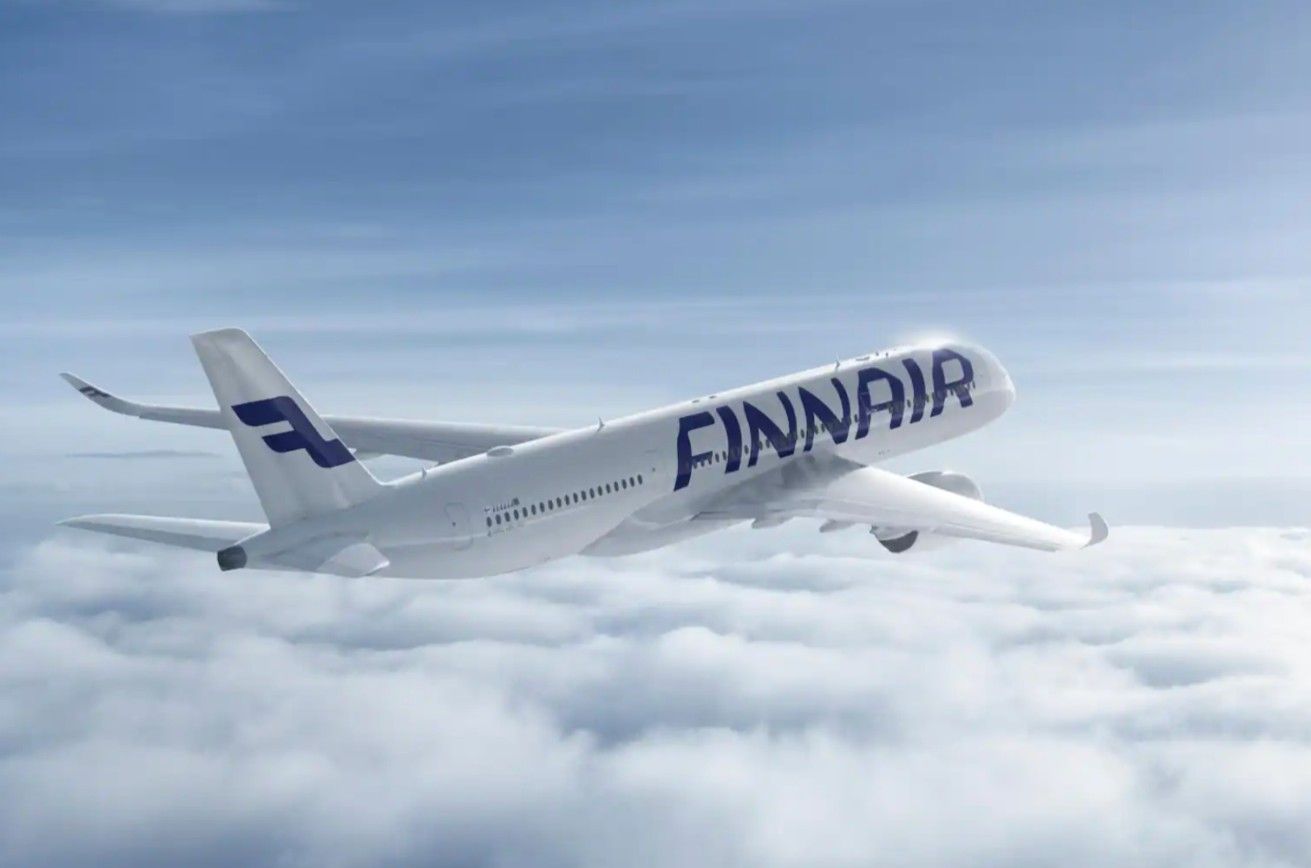
Image generated with Ai
Finnair
Finnair is making a calculated move into Europe’s high value aviation market with the launch of a direct route between Helsinki and Luxembourg from 31 March 2026 This expansion reflects a clear shift in strategy The airline is focusing on precision growth rather than large scale expansion Luxembourg is a key financial hub while Helsinki serves as a powerful northern gateway The new route strengthens connectivity between these regions Finnair will operate the service twice weekly using a mix of Airbus A319 and Embraer E190 aircraft This move is designed to capture premium business demand while also supporting leisure and transfer traffic across its wider network
Why Is Finnair Launching the Helsinki to Luxembourg Route Now
Finnair is launching this route at a time when European aviation is entering a new phase of stability Airlines are now focusing on selective and sustainable expansion Luxembourg offers consistent demand driven by finance and institutional travel Helsinki complements this with its strong hub position The timing aligns with the start of the summer schedule when travel demand rises Finnair is also reconnecting with markets that offer long term value This route reflects confidence in steady demand It also signals that the airline is prioritising routes that can deliver both reliability and profitability over time
How Important Is Luxembourg in the European Aviation Landscape
Luxembourg plays a unique role in European aviation despite its small size It is one of the continent’s leading financial centres and hosts several European institutions This generates continuous demand for business travel The country is also geographically strategic It sits close to major markets in Germany France and Belgium Luxembourg Airport serves a niche but high yield market Airlines here focus on efficiency and quality rather than volume Finnair’s entry adds a valuable connection to Northern Europe It strengthens the airport’s network and improves travel options for passengers seeking direct routes
What Role Does Helsinki Play in Finnair Strategy
Helsinki is central to Finnair operations and long term vision The airport acts as a key hub connecting Europe with Asia Its northern location allows shorter and more efficient flight paths especially for eastbound travel By adding Luxembourg to its network Finnair enhances this hub function Passengers from Luxembourg gain access to a wide range of global destinations via Helsinki This includes major cities across Asia The route is not just about connecting two cities It is about strengthening a wider network that supports both regional and long haul operations
Advertisement
Advertisement
How Will Aircraft Choice Shape the Route Performance
Finnair will deploy Airbus A319 and Embraer E190 aircraft on this route This dual aircraft strategy offers flexibility The A319 provides higher seating capacity during stronger demand periods The E190 allows efficient operations when demand is lower Both aircraft are well suited for short to medium haul travel They offer a balance of comfort and cost efficiency This approach ensures that Finnair can adjust capacity based on seasonal demand It also reduces operational risk By aligning aircraft size with passenger volume the airline improves route sustainability
What Does the Low Weekly Frequency Indicate About Demand
The initial schedule of two flights per week reflects a cautious but strategic approach Finnair is testing the market before committing to higher frequency This allows the airline to measure demand accurately without overextending resources Limited frequency can still serve business travellers if flights are timed effectively Seasonal increases are expected especially during peak travel periods This phased strategy reduces financial risk It also provides flexibility If demand grows Finnair can quickly scale up operations This measured approach ensures long term viability rather than short term expansion.
Advertisement
Advertisement
Who Are the Key Passengers Driving This Route
Business travellers are expected to dominate this route Luxembourg’s strong financial sector generates regular travel demand Corporate connections between Finland and Central Europe support this flow Transfer passengers are also important Helsinki offers seamless connections to Asia making the route attractive for long haul travellers Leisure travellers contribute additional demand Luxembourg offers cultural attractions and access to neighbouring countries Visiting friends and relatives traffic adds stability to passenger numbers These combined segments create a balanced demand profile which supports consistent performance throughout the year
How Will This Route Affect Competition in the Region
The introduction of a direct Helsinki Luxembourg route changes the competitive landscape Existing airlines connect these cities indirectly through hubs such as Frankfurt and Amsterdam Finnair offers a faster and more convenient alternative This could attract passengers who value time efficiency Increased competition may lead to better pricing and improved services across the market Airlines may respond by adjusting schedules or enhancing offerings Finnair’s hybrid approach combining efficiency and connectivity positions it strongly This route adds new dynamics to a previously underserved corridor
Advertisement
Advertisement
What Economic Impact Could This Route Generate
The new route is expected to deliver economic benefits Improved connectivity supports business relationships between Finland and Luxembourg It encourages trade and investment Tourism may also see growth as travel becomes more accessible Increased passenger numbers benefit airports and local economies The aviation sector itself gains through job creation and operational expansion While the route operates at a modest frequency its impact is significant Connectivity plays a key role in economic development This route strengthens links between two important regions in Europe
How Does This Fit into Finnair Broader Network Expansion
This route aligns with Finnair broader strategy of focused and efficient growth The airline is targeting routes that offer high value rather than high volume Luxembourg fits this model as a niche but premium market Expanding the European network supports long haul operations by feeding passengers into global routes Finnair is building a balanced system that integrates regional and international connectivity This approach improves resilience It allows the airline to adapt to changing demand patterns while maintaining strong operational performance.
Could This Route Signal Future Expansion in Similar Markets
This route may act as a blueprint for future expansion Finnair is likely to explore similar markets that combine stability with high value demand Smaller European destinations with strong economic profiles are attractive These markets often face limited direct competition This creates opportunities for airlines that can offer efficient services Finnair strategy reflects a broader industry trend Airlines are focusing on precision growth and network optimisation If successful this route could lead to further expansion into comparable destinations across Europe
Conclusion A Focused Move with Long Term Potential
Finnair Helsinki Luxembourg route represents a strategic and forward looking decision It connects two important economic regions while strengthening Helsinki role as a global hub The cautious frequency ensures sustainable growth The route targets business and transfer passengers while also supporting leisure travel Competition will increase benefiting travellers through more options and better services This move highlights a shift in aviation strategy towards efficiency and precision Finnair is positioning itself for long term success in a competitive and evolving European market.
