
🕑3 min read
Stellantis used a major investment announcement at its Mulhouse Assembly Plant in France on Tuesday to highlight one of the most important pieces of its future product strategy.
While the headline news focused on a more than €1 billion ($1.14 billion USD) investment in the facility and plans to produce three all-new Peugeot models there, Stellantis CEO Antonio Filosa also outlined the company’s long-term vision for its upcoming STLA One architecture. The three upcoming C-segment models from Peugeot will be 100% electric or hybrid. According to Filosa, Stellantis expects the new platform to underpin more than 2 million vehicles annually by 2035.
That target makes STLA One one of the most ambitious vehicle architectures the automaker has ever developed.
A New Foundation For Future Growth
In this article▾
A New Foundation For Future Growth
Built Around Multiple Powertrains
Software Takes Center Stage
Next-Generation Battery Technology
What It Means For North America
 STLA One Modularity by Design. (Stellantis).
STLA One has been designed to support B-segment, C-segment, and D-segment vehicles, allowing Stellantis to build everything from smaller urban crossovers to larger family-oriented vehicles on a common foundation.
The platform is a key part of the company’s effort to simplify its global operations while reducing engineering and manufacturing costs. Instead of developing multiple architectures for different regions and brands, STLA One will provide a flexible framework capable of supporting a broad range of vehicles around the world.
Stellantis says the architecture is expected to support more than 30 different vehicle programs during its lifecycle, helping the company achieve greater scale while maintaining distinct identities for each of its brands.
Built Around Multiple Powertrains
Unlike some platforms that were originally engineered around a single propulsion system, STLA One has been designed from the start to optimize efficiency based on the type of energy being used.
Its modular design allows engineers to tailor vehicle configurations for different powertrains while maximizing performance and efficiency. That flexibility will help Stellantis adapt to changing customer demand and varying regulatory requirements across global markets.
The architecture also supports the company’s broader goal of reducing complexity throughout the development process while delivering competitive products across multiple segments.
Software Takes Center Stage
 Stellantis Modular Strategy. (Stellantis).
STLA One will become the first Stellantis architecture designed to fully integrate the company’s next-generation technology ecosystem.
That includes STLA Brain, the automaker’s software backbone, along with STLA SmartCockpit and steer-by-wire technology. Together, these systems are intended to speed up feature deployment, improve vehicle functionality, and allow individual brands to create unique customer experiences while sharing common technology underneath.
The result should be faster development cycles and a more connected ownership experience for customers.
Next-Generation Battery Technology
 STLA One Battery Strategy. (Stellantis).
Battery technology will also play a major role in the STLA One strategy.
Stellantis plans to expand the use of lithium iron phosphate (LFP) batteries, which offer lower production costs and reduce dependence on certain critical raw materials. The company believes the technology will help make future battery-electric vehicles more affordable while improving long-term profitability.
The platform will also utilize cell-to-body integration, allowing the battery pack to become part of the vehicle’s structure. This approach helps reduce weight, lower manufacturing complexity, and improve overall efficiency.
In addition, STLA One has been engineered with 800-volt capability, enabling faster charging times and a more competitive real-world EV experience.
What It Means For North America
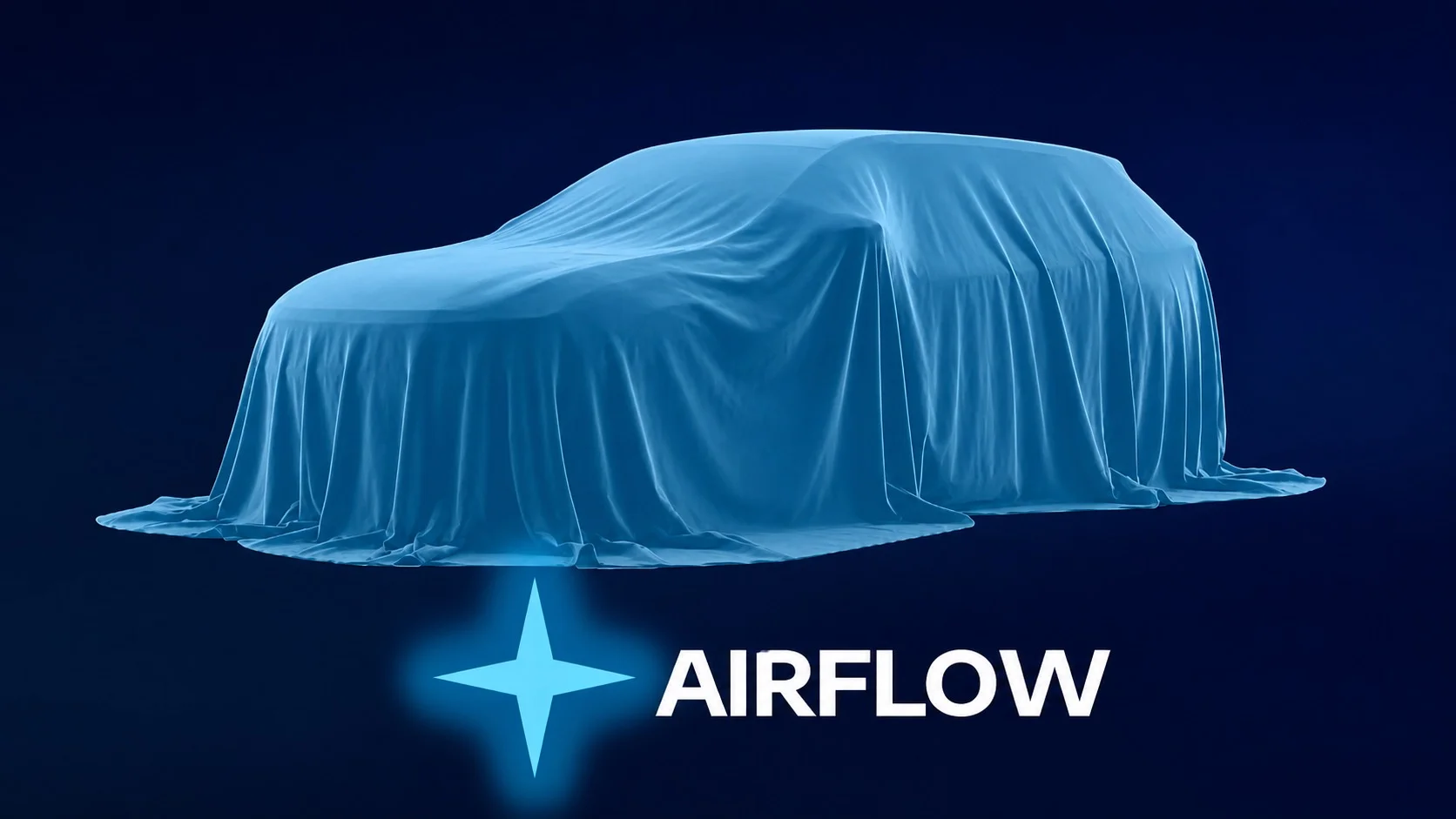 Chrysler Airflow Teaser From Inventor Day. (Chrysler).
Although the announcement took place in France, North American consumers will eventually see several important vehicles built on the new architecture.
Among the products are the next-generation Jeep® Compass, the upcoming Dodge GLH crossover, and Chrysler’s future Airflow crossover. These vehicles will help introduce STLA One technology to buyers across the United States and Canada while showcasing the platform’s versatility.

Robert S. Miller