
Italian automotive giant Fiat has stopped importing cars into Australia as it struggles to compete with new brands from China.
Fiat’s passenger vehicle division will no longer import the Fiat 500e electric hatchback and Abarth 500e electric hot hatch, leaving the brand in a precarious position.
Fiat, which is part of the Stellantis Group, joins French sister brand Peugeot in a precarious state as the latter’s local importer has surrendered the right to sell Peugeot cars locally.
RELATED: Car giant quits Aus as sales sink 87pc
A spokeswoman for Stellantis said that Fiat has not closed its doors in Australia.
“As part of Stellantis Australia’s ongoing portfolio and product planning process, the availability of specific models can vary over time as we assess market demand and future product opportunities,” she said.
“We remain focused on ensuring the vehicles we bring to Australia meet customers’ expectations. Following Stellantis’ recent confirmation of Fiat as one of its core global brands, we are excited by the opportunities the brand presents for the future.
MORE: Aussies ditch big brands for China dupes
“Fiat 500e and Abarth 500e stock in Australia has now largely been sold through and, at this stage, we are not planning additional orders while we evaluate future product opportunities for the local market.
“We continue to support our Fiat and Abarth customers and dealer network and look forward to sharing more information about Fiat’s and Abarth’s future plans in Australia at the appropriate time.”
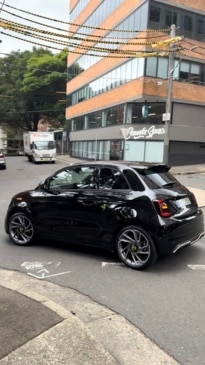
Fiat has reported 144 sales in Australia this year, including just 13 last month – fewer even than Ferrari or Lamborghini.
Fiat has slashed thousands of jobs in Italy as it grapples with increasingly fierce competition from China that is driving prices down.
MORE: Why Fiat’s electric 500 fails to deliver
The brand launched its Abarth 500e electric hot hatch in Australia in 2024 for about $64,000 drive-away, before slashing its price by $20,000 in an attempt to clear stock.
Stellantis’ other brands face similar struggles. Alfa Romeo has sold just 139 cars in Australia this year, while Jeep has delivered just 322 vehicles.

Leapmotor is the group’s shining light, outselling all of its other brands with affordable China-sourced electric and hybrid cars that are beginning to gain traction in Australia.
Fiat’s commercial vehicle range is not affected by the brand’s change in strategy.
The Australian car market is undergoing a period of unprecedented transformation.
BYD has recorded a 124 per cent increase in sales, taking it to within a whisker of overtaking Toyota to become the number one brand in Australia. BYD sold just shy of 19,000 cars in Australia last month, a figure that puts it well ahead of the likes of Ford, Mazda, Hyundai and Kia.
Electric cars represented more than 23 per cent of the market in June, when more than 32,000 EVs were delivered to Australians.
Tesla’s Model Y was the More popular car on sale by a wide margin.
China is the clear winner in the car game, with sales up by about 70 per cent, backed by increases for manufacturers including Geely (up 494 per cent), Leapmotor (up 151 per cent) GWM (up 20.5 per cent), and Chery (up 76.8 per cent).
Korea’s Hyundai and Kia have both recorded sales increases for the year to date.
But Japanese brands are struggling.
Toyota is down by 21.4 per cent, joined by Mitsubishi (down 25 per cent), Nissan (down 32 per cent),
Mazda (17 per cent), Subaru (down 25.6 per cent), Suzuki (down 20.9 per cent).
Read related topics:China