Diana memoir theft
The BBC reported that the copies were taken while the truck was en route from a printing plant to a warehouse, and Dutch police were investigating the theft.

Town & Country said the theft was not discovered until the following morning, and NL Times reported the books were the Dutch edition titled Zwanenzang, printed by Overamstel.
The Telegraph said the theft happened in a lay-by in the Netherlands earlier this week, with the driver waking at around 8am to find the wrapped copies missing.
Security concerns and quotes
A publishing source told the Daily Mail that the theft was “extremely suspicious,” adding “Nothing like this has ever happened before.”
The same Daily Mail source said the security around the book had been “incredibly tight,” and that “Every possible precaution has been taken to prevent it from being leaked ahead of its serialisation.”

The Independent reported that the lorry left a printing plant and was on its way to a warehouse when the driver stopped for a break in a lay-by late on Monday (14 September) night.
People reported that the book’s official release date is Sept. 22, and that Dutch police were reportedly investigating the break-in after the driver discovered the theft when he woke up.
Release timeline at stake
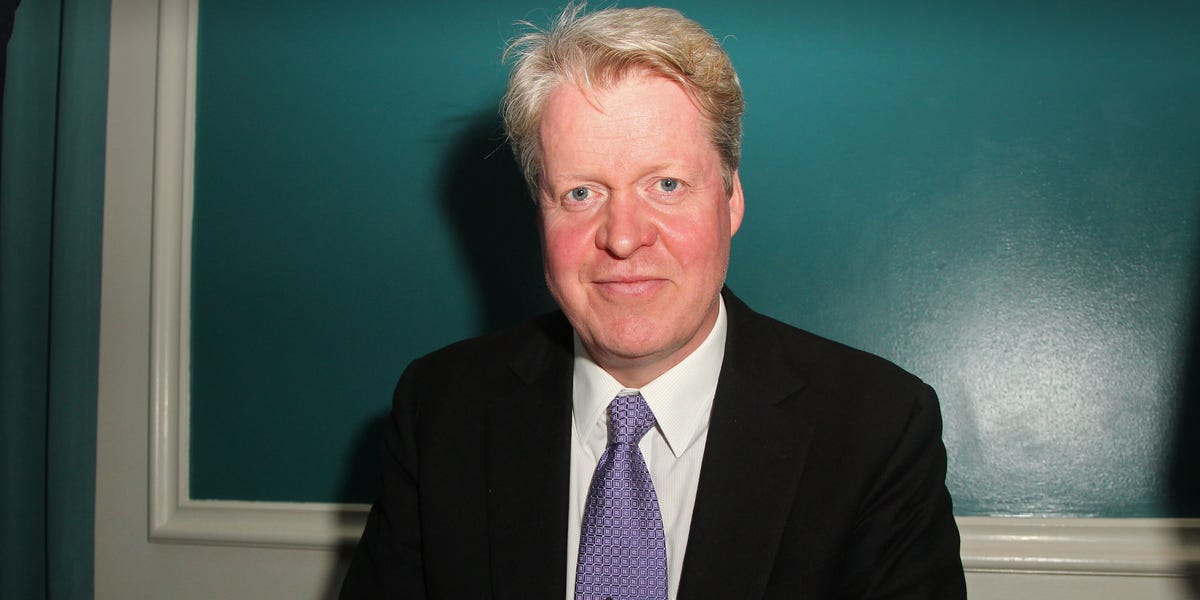
In a statement about the memoir, Earl Spencer said: “The aim of this book is to tell the truth about Diana from her brother’s perspective, just as I attempted to do when speaking at her funeral,” and he added: “I want to speak on Diana’s behalf and do so in an openly positive way.”
The Telegraph said Swan Song is due to be published in the UK on Sept 22 by Penguin Michael Joseph, a division of Penguin Random House, and that bosses at the publishing house were only told about the thefts at 3.30pm on Tuesday.
The Guardian reported that European fashion retailers including the German retailer Hessen and the Dutch chain BrandBox were facing fresh questions over supply chain oversight after a fire at a factory that supplied them killed at least 33 garment workers in Bangladesh, underscoring how high-profile events can trigger scrutiny far beyond their immediate setting.