
🕑6 min read
Things aren’t getting any better between Stellantis and Unifor in Canada. The union has issued another update to its members, and despite continued discussions with the Canadian government, there is still no agreement on what happens next with the automaker’s manufacturing operations.
In this article▾ Brampton Is Still Holding Everything Up Unifor Wants Everyone In The Same Room Windsor Workers Have Their Own Problems A Strike Is Still Possible, But Not Imminent Where Does Stellantis Go From Here?
Unifor met with Stellantis on Tuesday, November 3, hoping to get some answers about the future of Brampton Assembly Plant in Ontario. Unfortunately, the company isn’t backing away from its plans to close the facility and sell it to Canadian defense contractor Roshel.
There is one important detail, though. Stellantis confirmed that the plant hasn’t been sold, and conversations with the federal government are still taking place.
That leaves the door open for a possible solution, but for the workers who have been waiting years to return to Brampton, it doesn’t provide much reassurance.
Brampton Is Still Holding Everything Up
The biggest problem continues to be Brampton Assembly, a facility that once built the Dodge Charger, Challenger, and Chrysler 300.
Production ended there in December 2023, with Stellantis preparing to retool the plant for the next-generation Jeep Compass. The plan would have brought vehicle production back to the facility, giving thousands of employees a reason to believe their jobs would eventually return.
That never happened.
Stellantis paused the retooling project in early 2025 before eventually moving future Compass production to the United States. Since then, Brampton has remained idle, leaving approximately 2,200 Unifor members on indefinite layoff.
Now, instead of bringing another vehicle into the plant, Stellantis wants to sell the property to Roshel, which specializes in armored vehicles.
From a business standpoint, Stellantis sees an opportunity to put a facility that hasn’t produced a vehicle in nearly three years back to use. The company has argued that Roshel could create new jobs and bring manufacturing activity back to the property.
But that isn’t what Unifor was promised.
The union wants Stellantis to maintain vehicle assembly in Brampton rather than walk away from the facility altogether. It also worries that selling the property to a company outside the traditional automotive industry would eliminate any realistic chance of bringing large-scale automotive production back.
Neither side appears willing to budge, and that’s why negotiations have gone nowhere.
 Unifor President Lana Payne speaking at the October 2025 Brampton Rally. (Unifor). Unifor Wants Everyone In The Same Room
After months of discussions between Stellantis and the federal government, Unifor is growing frustrated with the lack of progress.
The union has now written to both the Canadian federal government and the Ontario provincial government, requesting a four-party meeting that would bring government representatives, Stellantis, and Unifor together.
It’s a straightforward request. Rather than continue having separate conversations that don’t seem to be getting anywhere, the union wants everyone involved in finding a solution.
Unifor is also urging government officials to use whatever options are available to prevent Brampton from closing and being sold.
That puts additional pressure on Stellantis, particularly after its earlier commitments to invest in the facility.
However, there is still no indication that the automaker intends to reconsider its decision. Even after its latest meeting with Unifor, Stellantis continues to move toward a sale.
The fact that the property hasn’t changed hands is important, but it doesn’t mean a deal to preserve automotive production is close.
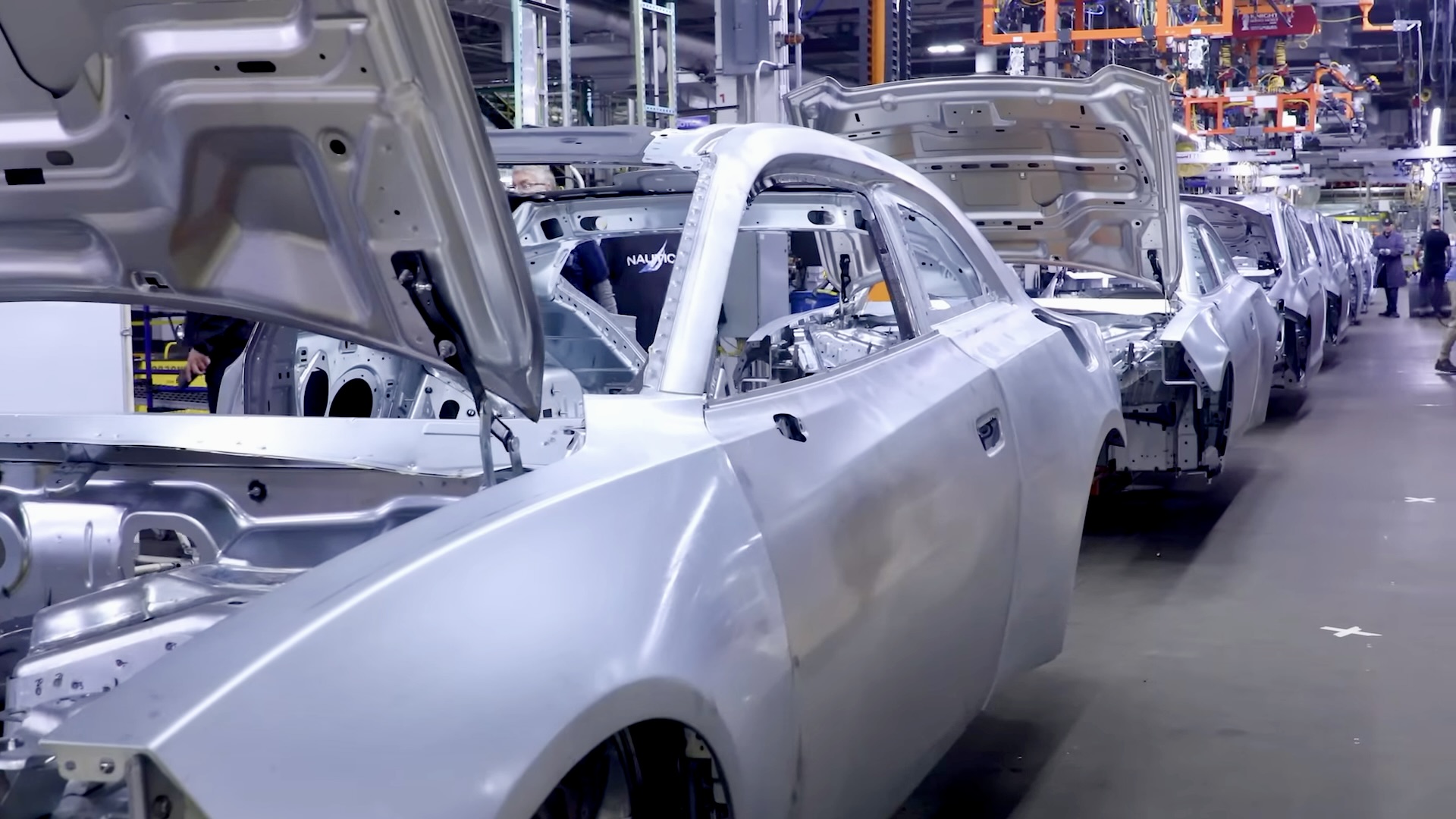 Windsor Assembly Plant in Windsor, Ontario. (Stellantis). Windsor Workers Have Their Own Problems
Brampton may be getting most of the attention, but workers at Windsor Assembly Plant have plenty of reasons to be concerned, too.
The plant, which produces Chrysler minivans and the Dodge Charger, has been experiencing extended downtime. What was initially a three-week shutdown has now been extended into the week of November 9.
Stellantis has previously pointed to market conditions, including vehicle demand and tariffs, as reasons for the interruptions.
Temporary shutdowns aren’t unusual in the automotive industry. Automakers regularly adjust production schedules to match demand. However, when those interruptions keep getting extended and employees are already concerned about their futures, it’s understandable why workers are getting nervous.
According to Unifor, Stellantis still hasn’t provided assurances about the long-term security of Windsor Assembly’s operations or its third shift.
That doesn’t mean Stellantis has announced plans to eliminate the shift or reduce the plant’s size. It means the union hasn’t received the commitments it wants from the company.
The same concerns extend beyond Windsor.
Unifor believes that if Stellantis can close Brampton and sell it to another company, it could set a precedent for how the automaker handles its other Canadian manufacturing operations, including Etobicoke Casting.
For a company that has been building vehicles in Canada for generations, that’s a significant concern.
 Unifor Local 1285 Members at the October 2025 Brampton Rally. (Unifor). A Strike Is Still Possible, But Not Imminent
Earlier in October, Unifor members sent a strong message when 97.3% of those voting supported authorizing a strike if necessary.
That vote gives union leadership some additional leverage as it tries to reach an agreement with Stellantis.
However, it doesn’t mean workers are about to walk off the job.
Unifor made that distinction clear again in its latest update. The union is not currently in a legal strike position and hasn’t requested a “No Board” report from Ontario’s Ministry of Labour.
That report is one of the legal steps needed before a strike can take place.
For now, Unifor continues to evaluate its options while trying to reach an agreement without disrupting production.
The union has already made it clear that it doesn’t intend to accept a settlement that leaves Brampton workers without a satisfactory resolution.
 Stellantis Canada Headquarters in Windsor, Ontario. (MoparInsiders). Where Does Stellantis Go From Here?
This is becoming about more than one assembly plant.
Stellantis has some major decisions to make about its Canadian manufacturing operations, and the people working at those facilities want to know where they fit into the company’s plans.
Brampton workers have been waiting since late 2023 for production to return. Windsor employees are dealing with repeated shutdowns and questions about future production. Meanwhile, workers at other facilities are watching to see whether the company will continue investing in Canada.
There are also two very different views of what should happen at Brampton.
Stellantis wants to move forward with a sale that could bring new manufacturing jobs to the property. Unifor wants the automaker to keep the facility in the automotive business and follow through on its previous commitments.
Neither outcome is guaranteed at this point.
The proposed four-party meeting could provide an opportunity to finally move things forward, but that depends on whether Stellantis, the union, and government officials can find some common ground.
Until then, the situation remains largely unchanged. Brampton is still idle, the proposed sale is still on the table, and thousands of Canadian workers are left waiting for answers.
For a company trying to rebuild momentum across North America, the continuing uncertainty surrounding its Canadian operations is another problem Stellantis needs to figure out.
Source: Unifor Auto Talks 2026
Like our coverage?
Make MoparInsiders a preferred source on Google and see more of our stories in your results.

Robert S. Miller