
According to the automaker, the new vehicle is “intended to serve as a blueprint for efficient global collaboration” meaning that more projects could be on the horizon

A new Opel C-SUV will launch by 2028 using Leapmotor’s architecture.
Production is set for Zaragoza, Spain, alongside the Leapmotor B10.
Engineering cuts in Germany signal a shift toward Chinese-led R&D.
Stellantis has found a new way to leverage its partnership with Chinese automaker Leapmotor, and Opel has been chosen to lead the charge. The German brand has officially announced plans of launching a new electric compact SUV based on Leapmotor underpinnings, confirming earlier reports.
The yet-unnamed model is expected to debut by 2028, with a development period of under two years. It will be designed by Opel in Russelsheim, adopting the latest styling language of the brand. The first teaser shows a sporty SUV featuring large wheels, short overhangs, and the signature Opel Vizor grille with integrated LEDs.
More: Opel’s New Corsa GSE Beats Peugeot’s GTI Using Peugeot’s Own Powertrain
According to Opel CEO Florian Huettl, the new SUV will be “developed by international teams located in Germany and China”. It will use “core components of the latest Leapmotor electric architecture and battery technology”, with Opel’s input being limited to design, chassis engineering, lightning and seating technology.
Production of the upcoming EV will take place at the Figueruelas plant in Zaragoza, Spain, starting in 2028. The same facilities are the home of production for the Opel Corsa, Peugeot e-208, Lancia Ypsilon, and Leapmotor B10.
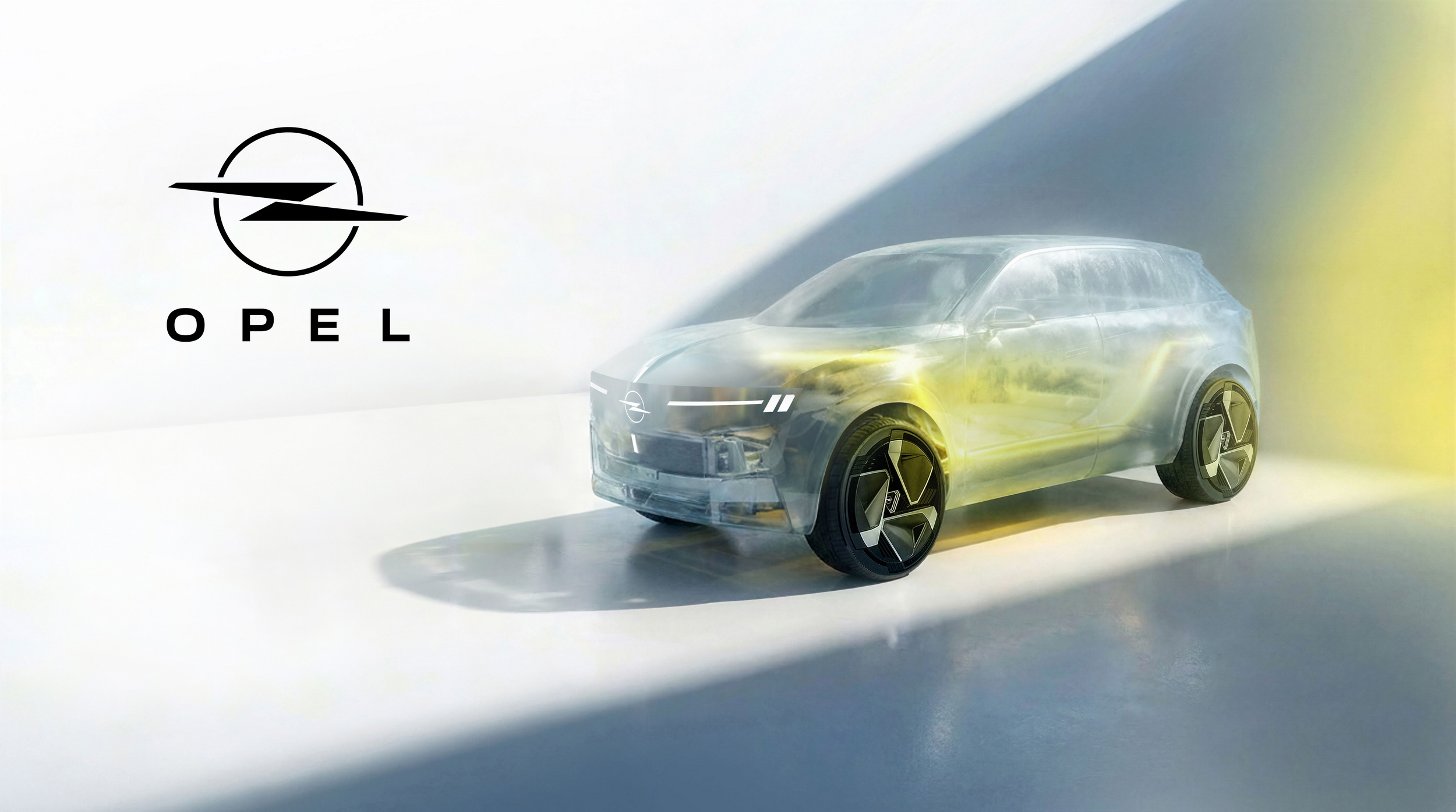
Another Opel SUV?
The new offering will expand Opel’s SUV lineup next to the Mokka, Frontera, and Grandland, targeting the highly competitive C-SUV segment in Europe.
While Stellantis didn’t get into details about its specifications, the new Opel will most likely be based on the Leapmotor B10. The electric SUV measures 4,515 mm (177.8 inches) long, slotting right in between the Frontera and the Grandland in terms of footprint.
More: Stellantis’ Cheapest New EV Is Chinese, Made In Europe, And $15K Under Its Own Peugeot
The Leapmotor B10 is fitted with a single electric motor producing 215 hp (160 kW / 218 PS) and offers two battery sizes of 56.2 kWh and 67.1 kWh, offering a range of up to 434 km (270 miles). It will also be available with a range-extender powertrain offering a total range of up to 900 km (559 miles).

Leapmotor B10
Stellantis has stated that the Leapmotor B10 has been “rigorously tested” at the Balocco proving ground in Italy, meaning there could be differences to the setup of the EU-spec version compared to the model sold in China.
More: Stellantis To Sell Europeans A $10K Chinese SUV For Nearly Triple, And Still Undercut VW
More importantly, the Leapmotor B10 is priced from €29,900 ($35,100) in markets like Germany, France, and Spain, undercutting the rival Skoda Elroq by €4,000 ($4,700). While it is too early to talk about pricing for the Opel version, the company promises it will be an “accessible” electric vehicle, adding that the use of Leapmotor-sourced components would “significantly enhance affordability for European customers”.

Our speculative rendering for a Leapmotor-based Opel.
The Ugly Truth
Stellantis has recently announced plans of cutting 650 engineering jobs at Opel’s historic headquarters in Russelsheim, reducing the remaining technical staff to around 1,000 people.
The site employed over 7,700 engineers back in 2017, undertaking important R&D projects for the PSA Group. Now, it has narrowed down its scope to areas like AI, software, ADAS, battery tech, and digital lighting systems. While unrelated, with the job cuts, the Leapmotor deal allows Stellantis to significantly reduce R&D expenses and the time needed to bring a new product to the market.
More: Opel And Alfa Romeo’s Next EVs May Be Built Around Chinese Tech, Not German Or Italian
Crucially, the upcoming electric SUV won’t be the only Leapmotor-based product from a Stellantis brand. According to the company “the new vehicle is intended to serve as a blueprint for efficient global collaboration” meaning it could pave the way for other similar projects in the future.
The Story Of The Joint Venture
Stellantis acquired a 21% stake in Leapmotor in October 2023, becoming the largest shareholder of the Chinese brand. The LPMI (Leapmotor International) joint venture is 51% owned by Stellantis, which has the exclusive rights of selling and producing Leapmotor products outside China.
The European rollout has been quite successful, with Leapmotor delivering 40,000 units in 2025 and kicking off 2026 with a first quarter of 24,751 registrations. Besides the Old Continent, the LPMI joint venture has expanded its activities to South America, Mexico, Asia-Pacific, Middle East, and Africa.
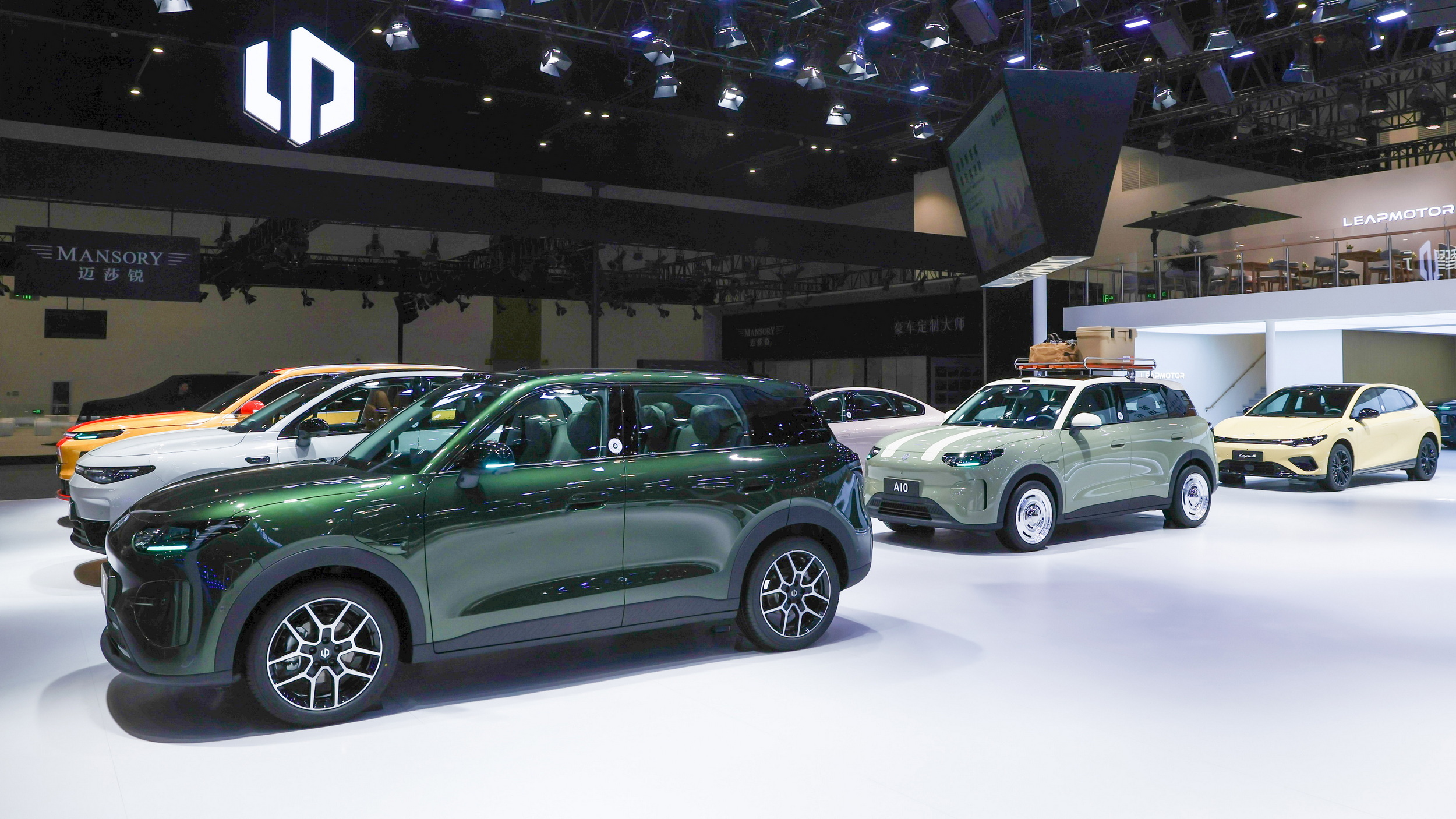
The Leapmotor stand at the recent Beijing Auto Show in China.