
🕑6 min read
Stellantis is preparing to take another major step in its global electric vehicle (EV) strategy, announcing plans for Opel to develop an all-new C-segment electric crossover using technology sourced from Chinese EV startup Leapmotor. The upcoming model would combine Opel’s German engineering and design expertise with Leapmotor’s next-generation EV platform and battery systems, while production would take place at Stellantis’ Zaragoza assembly plant in Spain.
In this article▾
Opel’s Next Big EV Push
Built In Spain
Why Stellantis Is Leaning Into Leapmotor
German Engineering Meets Chinese EV Speed
What The Vehicle Could Look Like
A Blueprint For Future Stellantis EVs?
The move marks one of the clearest examples yet of how Stellantis plans to use its growing relationship with Leapmotor to accelerate the rollout of more affordable EVs for the European market. While the vehicle is still under evaluation and feasibility studies are ongoing, Stellantis executives are already positioning the project as a key piece of the company’s future EV strategy.
For Opel, it represents an opportunity to rapidly expand its electric lineup in one of Europe’s most competitive vehicle segments without spending years developing an entirely new architecture from scratch.
Opel’s Next Big EV Push
 2026 Opel Grandland Electric. (Opel).
The new Opel crossover would slot into the heart of the highly competitive C-segment SUV category, an area currently dominated by vehicles like the Tesla Model Y, Volkswagen ID.4, Hyundai Tucson, and Peugeot E-3008. Opel already has the compact Mokka, midsize Grandland, and the new Frontera in its lineup, but this new model is expected to bridge the gap while offering a more affordable all-electric option.
According to Stellantis, the crossover would be designed and engineered by Opel teams in Rüsselsheim, Germany, while development work would involve engineering resources from both Germany and China. The vehicle would utilize Leapmotor’s latest EV architecture, battery systems, and core components, while Opel would handle the overall vehicle tuning, chassis setup, lighting technology, seating comfort, and user experience.
That combination could allow Opel to bring a new EV to market far quicker than traditional development timelines typically allow.
Opel CEO Florian Huettl said the project could shorten development time to under two years, which is extremely fast by automotive industry standards.
Built In Spain
 European-Spec Leapmotor B10 REEV. (Leapmotor).
Production for the new crossover is currently being evaluated for Stellantis’ Zaragoza Assembly Plant in Spain, one of Opel’s longest-running production facilities. The factory has produced more than 10 million Opel Corsa models since opening in 1982 and currently builds vehicles like the Peugeot 208 and Lancia Ypsilon.
Under the expanded partnership plans, Leapmotor’s B10 electric crossover could also be built there starting as early as 2026. Adding Opel’s new C-segment EV to the same facility would help Stellantis maximize efficiency while keeping production localized within Europe.
The strategy also aligns with upcoming European “Made-in-Europe” requirements aimed at reducing dependence on imported EVs and battery systems.
For Stellantis, using Spanish production also helps avoid some of the growing political and economic pressure surrounding Chinese-built EV imports into Europe.
Why Stellantis Is Leaning Into Leapmotor
 European-Spec Leapmotor C10 EV Crossover. (Leapmotor).
Back in October 2023, Stellantis purchased roughly a 21% stake in Leapmotor, becoming the company’s largest shareholder. At the same time, the two companies created Leapmotor International, a joint venture controlled 51% by Stellantis and 49% by Leapmotor.
Since then, the partnership has expanded quickly.
Leapmotor International launched the T03 city car and C10 crossover in Europe during 2024 and reportedly shipped more than 40,000 vehicles across Europe during 2025. Stellantis also expanded the brand into South America, Asia-Pacific markets, the Middle East, Africa, and most recently Mexico in 2026.
The partnership gives Stellantis access to lower-cost EV technology and faster software development while allowing Leapmotor to tap into Stellantis’ global manufacturing footprint, dealer networks, and regulatory expertise.
Antonio Filosa, CEO of Stellantis, emphasized that the partnership is intended to benefit both companies.
“This plan to expand our successful partnership with Leapmotor – a trusted peer and one of the fastest-growing, most respected new energy vehicle producers globally – is a true win-win for both of us. It is expected to support production and advance localization in Europe of world-class manufacturing of electric vehicles at affordable prices to meet customers’ real-world needs. Today’s announcement reflects our intent to deepen our partnership and take one more step towards even greater collaborations in the future.”
German Engineering Meets Chinese EV Speed
 2026 Opel Grandland PHEV. (Opel).
One of the biggest advantages of the project appears to be speed.
Chinese EV manufacturers have become known for dramatically shorter vehicle development cycles compared to traditional automakers. Rather than taking four to five years to develop an all-new vehicle, companies like Leapmotor can often launch new products in roughly half that time.
That’s something Stellantis clearly wants to leverage.
Xavier Chéreau, Chairman of Opel’s supervisory board and Stellantis Chief Human Resources & Sustainability Officer, described the project as a blending of German engineering with global innovation.
“With this project, Opel would bring together German engineering excellence with global technological innovation speed. This innovative spirit defines the next chapter of our global collaboration with Leapmotor and Opel is taking on a pioneering role with this project.”
While some enthusiasts may initially question Opel using Chinese-developed EV architecture, the reality is many automakers are now partnering with Chinese firms to remain competitive in the rapidly evolving EV market.
Volkswagen, Audi, Mercedes-Benz, and even Toyota have all entered partnerships with Chinese tech or battery suppliers in recent years.
What The Vehicle Could Look Like
 Stellantis Announces A New C-Segment EV Crossover With Be Produced With Leapmotor Tech. (Stellantis).
While Stellantis hasn’t released official details about the crossover’s styling, the company says the vehicle would carry Opel’s signature design language and interior experience.
That likely means it would feature Opel’s modern “Vizor” front-end styling, slim lighting signatures, and a clean, tech-focused interior similar to newer Opel models already sold in Europe.
Underneath, however, the crossover would likely share much of its core hardware with Leapmotor’s latest EV systems, including advanced battery packaging and efficient electric drive units designed to lower costs while improving range and charging performance.
Leapmotor founder and CEO Zhu Jiangming highlighted the advantages of combining both companies’ strengths.
“Leapmotor’s leading-edge technologies, combined with Stellantis’ global reach, deep regional roots and much-loved automotive brands, would make this a uniquely powerful partnership. Our joint venture, Leapmotor International, has quickly shown its benefits for both partners and in less than three years, has seen us launch our brand on five continents and significantly grow our international reach and reputation.”
A Blueprint For Future Stellantis EVs?
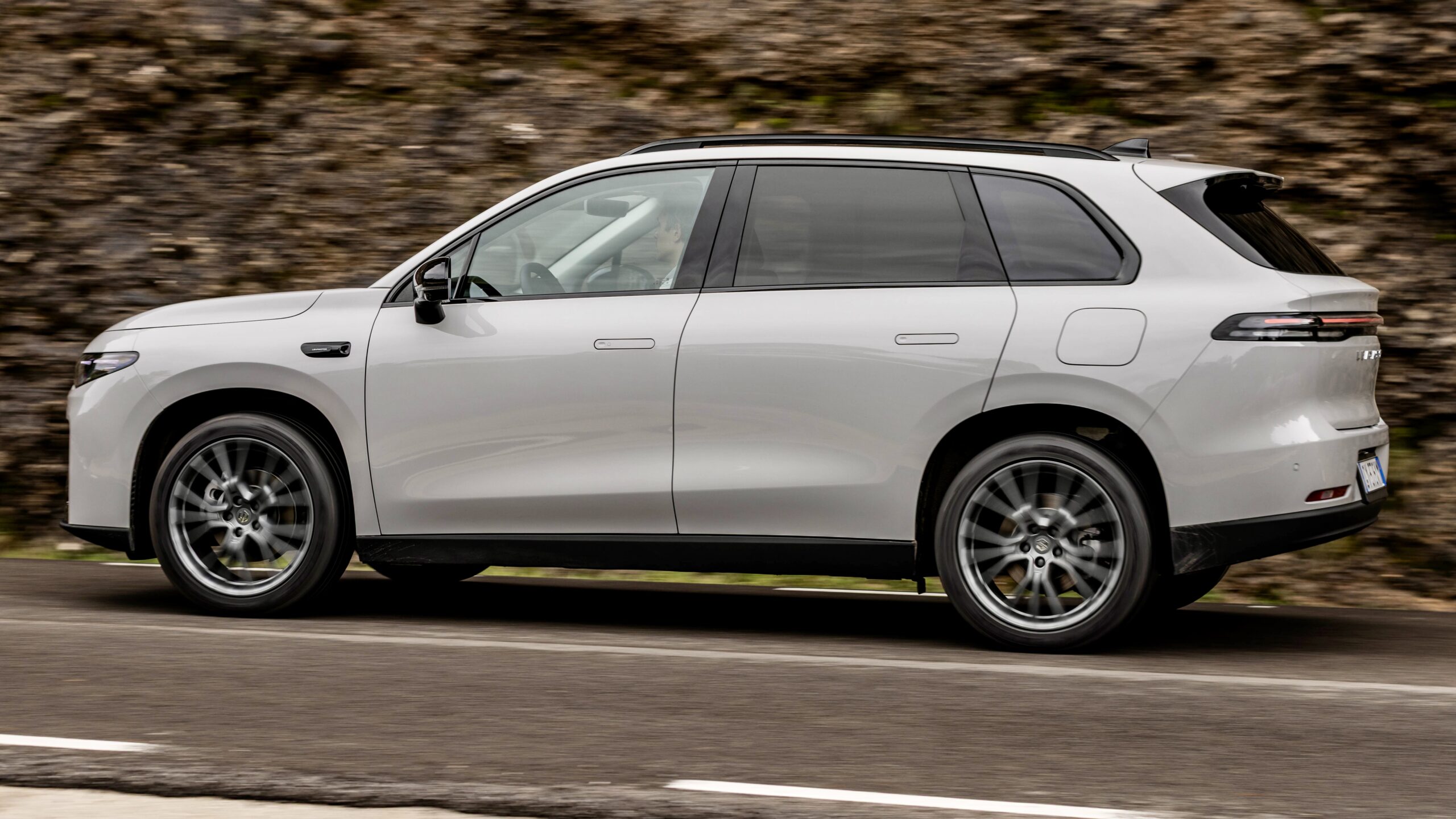 European-Spec Leapmotor C10 EV. (Leapmotor).
Perhaps the most interesting part of this announcement is what it could mean beyond Opel.
If the project proves successful, Stellantis could potentially expand the same strategy to additional brands in its massive portfolio. That could include future affordable EVs for Fiat, Citroën, and Peugeot.
For now, Opel appears to be serving as the test case.
The company is betting that combining German design, European manufacturing, and Chinese EV technology could help it deliver electric crossovers at prices mainstream buyers can actually afford.
And in today’s increasingly competitive EV market, affordability may end up being the most important feature of all.

Robert S. Miller
Like this:
Like Loading…