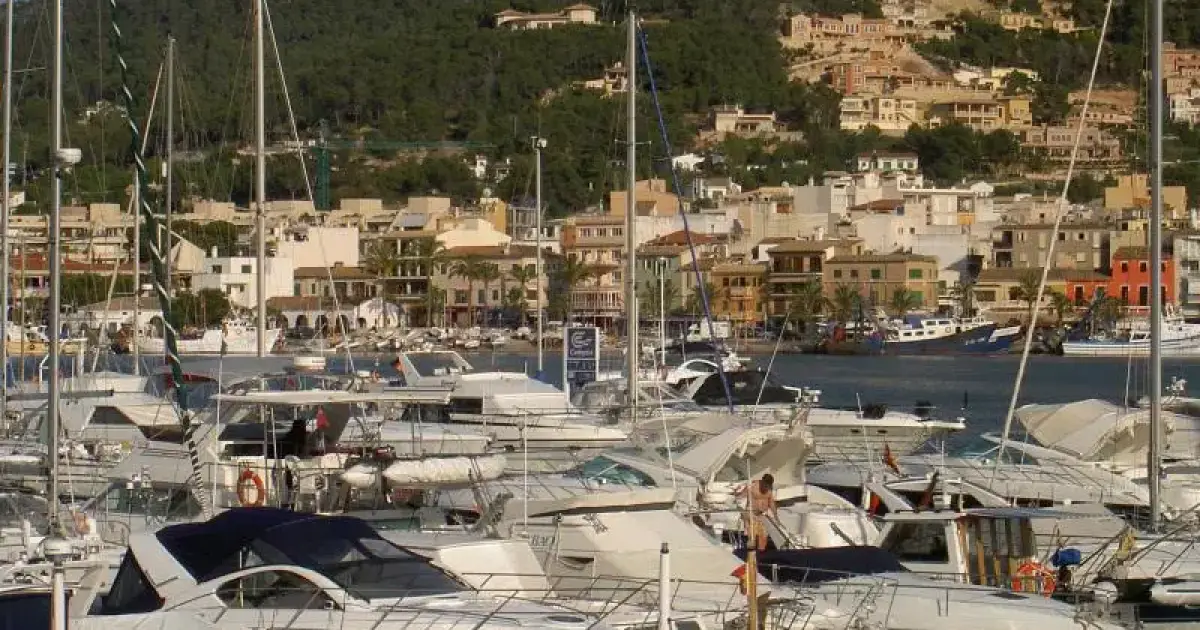
Foreign buyers are driving demand for ultra-luxury property in Spain, accounting for 60 per cent of it, according to a report published on Thursday by Hiscox, which notes a 30 per cent rise in prices over the last five years.
According to the ‘2026 Report on the Luxury Housing Market in Spain’, commissioned by Hiscox from Catella, the sector is experiencing an “excellent period” characterised by “strength” and “positioning as a magnet for high net worth individuals”, with the annual volume of transactions by foreign buyers reaching a rate of approximately 130,000 in 2025.
Within this trend, non-resident foreigners are paying the highest prices per square metre, driven by their preference for ‘prime’ properties and locations, which has fuelled a “steady increase” in property values, resulting in a 30 per cent rise in luxury market prices over the last five years, the company explains.
Furthermore, the markets in the Balearics, Málaga, Madrid and Barcelona together account for 83 per cent of all properties valued at over three million euros in Spain, although there is a “marked dichotomy” depending on the type of destination.
The international presence is “overwhelming” in key coastal towns, notably Benahavís (Málaga), where 84 per cent of luxury properties are purchased by foreigners, and Andratx (Mallorca), where they account for 79 per cent of total sales.
In contrast, large urban centres show a different picture, as exemplified by the city of Madrid, where foreign buyers account for just 14 per cent of transactions in this segment (17 per cent in neighbouring municipalities such as Alcobendas), suggesting that demand in Madrid’s luxury market continues to be driven in a “surprisingly robust” manner by local buyers.
Furthermore, the report notes that the abolition of the investment-based residence visa (Golden Visa), which came into effect on 3 April 2025, has had a “virtually negligible” impact on transaction trends, as it accounts for barely 0.5 per cent of all transactions.
“Investors in the luxury segment purchase properties driven by lifestyle considerations, security and residential quality, with investment volumes typically far exceeding the minimum legal threshold of 500,000 euros required under the previous legislation,” the analysis notes.