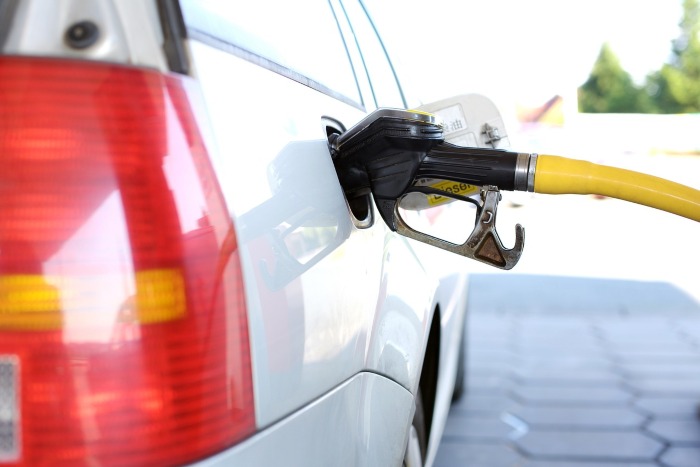

Toyota Motor Europe, the Group BMW, Bosch and the energy company Repsol officially launched a pilot fleet programme in Spain on 15 July 2026, running exclusively on Nexa 95, Repsol’s renewable petrol. The fleet comprises 20 passenger cars: Toyotas and Lexus supplied by Toyota España, as well as BMW models and MINI sourced from corporate fleets. It is worth noting that Nexa 95 petrol is produced from raw materials that comply with the European Renewable Energy Directive. No mechanical adaptations are necessary: existing petrol engines and refuelling infrastructure are sufficient.
This six-month programme aims to illustrate the concept of VEEF (Vehicles running Exclusively on Eligible Fuels). Therefore, vehicles that run exclusively on renewable or low-carbon fuels. In particular, the partners wish to prove the commercial availability of renewable petrol via the Repsol network, currently the only operator offering it in Spanish public service stations. The project also aims to confirm the feasibility of the operational deployment of LVFL fleets. With a third objective as well: to validate «the availability of digital tracking and certification technologies, via Bosch’s »Digital Fuel Twin’ system, which certifies the use of renewable fuel over the entire life cycle,” as stated in the press release.
Digital twin
Technically speaking, fuel traceability indeed plays a central role in the mechanism. Bosch’s «Digital Fuel Twin» system collects and validates refuelling data in real time (vehicle information, fuel card transactions, service station readings) throughout the fuel’s entire life cycle. The stated aim is to maximise transparency across the value chain of these renewable fuels. This traceability foundation aims to meet regulatory compliance requirements, a prerequisite for the democratisation of such fuel in transport.
European technological neutrality
Finally, this pilot ties into the debate on the decarbonisation of the automotive sector in Europe. It is worth recalling that manufacturers in Brussels are defending a strategy that moves away from all-electric vehicles, which were originally planned by the European Commission, which eventually gave in to calls from industry. Thus, while the sale of new internal combustion engine vehicles was supposed to end in 2035, the «review» has resulted in particular (among other flexibilities introduced into the regulation) in the authorisation of the use of «e-fuels». This European «automotive package», presented at the end of 2025, was the subject of of a detailed article in Fleet Vehicles, read here.
«The data and initial conclusions drawn from the pilot project will be shared with European policymakers, industry stakeholders and the media to contribute to discussions on technological neutrality and the potential integration of E-Fuels into future regulatory frameworks,» the partners confirm in the press release.