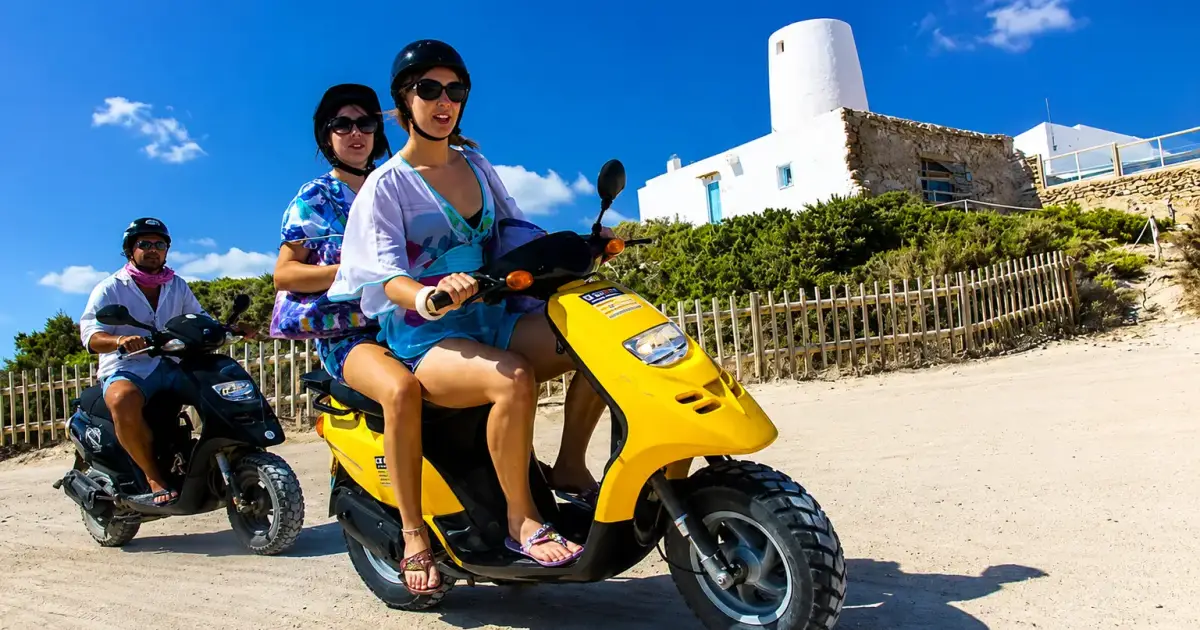
Thousands of motorcyclists across Spain are set to face new rules on protective clothing from 1 October, as the Directorate-General for Traffic (DGT) updates the General Traffic Regulations. The changes will make protective gloves and closed footwear compulsory in certain circumstances, in a move designed to improve road safety and reduce the severity of injuries suffered by motorcycle and moped users.
The new rules will apply to both riders and passengers on motorcycles and mopeds. Wearing flip-flops or sandals while riding, a common sight during Spain’s hot summer months, will no longer be permitted. Closed footwear will be compulsory on all types of roads, from urban streets to interurban roads and motorways, while protective gloves will be mandatory on interurban roads, where higher speeds increase the risk of serious hand injuries in a crash. Failure to comply with the requirements could result in a €200 fine.
The DGT is also tightening requirements surrounding the approval and certification of protective equipment. While approved helmets are already compulsory, the new regulations reinforce the requirement for equipment to meet the appropriate safety standards. Protective gloves will also have to be approved, although riders will have until 1 October 2027 to comply, giving them a three-year grace period to replace equipment that does not meet the required standards. Approved equipment must pass resistance and safety tests designed to provide effective protection in the event of an accident.
The measures form part of a wider change in the DGT’s approach to road safety, which has increasingly focused on protecting people rather than simply managing roads and vehicles. The authority says the strategy places vulnerable road users at the centre of its policies, including pedestrians, cyclists and motorcyclists, who face a greater risk of serious injury in collisions. The new requirements are intended to strengthen preventive measures and protect riders and passengers from avoidable injuries.
The package of measures, approved by royal decree on 24 June, also includes a change aimed at easing congestion. Motorcycles and mopeds will be allowed to use the right-hand hard shoulder during traffic jams, but only on stretches specifically signposted for this purpose and at speeds of no more than 30km/h. The measure is intended to improve traffic flow while preventing the hard shoulder from becoming an alternative high-speed lane.
Among motorcyclists, the new requirements have generally received a positive response, although some riders acknowledge that adapting to them will be difficult, particularly in summer. Manel, an experienced rider who parks in PlazaCatalunya, said: “Anything that improves motorcyclists’ safety is welcome.” Toni, who travels to work along Passeig de Gràcia and currently wears sandals, said the measures “make perfect sense”, although he admitted he would have to “make an effort and get used to it”.
Heat is likely to be one of the biggest challenges, with some riders reluctant to wear gloves or closed footwear in high temperatures. Barcelona highlights the scale of the issue, with motorcycles and mopeds accounting for one in three vehicles in the city. Luciano, another rider, said he normally wears open footwear in urban areas because of the heat and is particularly unconvinced by the requirement for closed footwear in cities, where speeds are generally lower. The DGT nevertheless argues that protective equipment is important even on short journeys and at lower speeds.
The changes are expected to drive greater demand for summer-specific motorcycle equipment, including lightweight, ventilated gloves and protective footwear designed for hot weather. They are also likely to generate increased online searches from riders looking for information on the new rules, fines and approved equipment. The DGT says the measures are part of a broader push towards safer mobility in Spain, with continued monitoring of accident rates and the possibility of further updates as it seeks to reduce serious injuries and deaths among vulnerable road users.