The heat waves intensify the demand for cooling and force the search for homes capable of better maintaining interior temperature. In this context, agricultural waste emerges as a source of raw materials to develop more sustainable construction solutions.
In the Valencian Community, the project GO STRAWMAT explores precisely this possibility by transforming rice straw into materials intended for thermal insulation. The proposal seeks to take advantage of an abundant waste while reducing the impact associated with its management.
The development connects two sectors facing growing environmental challenges: agriculture and construction. Thus, a by-product that normally requires treatment after harvest can become raw material to improve the energy efficiency of buildings.
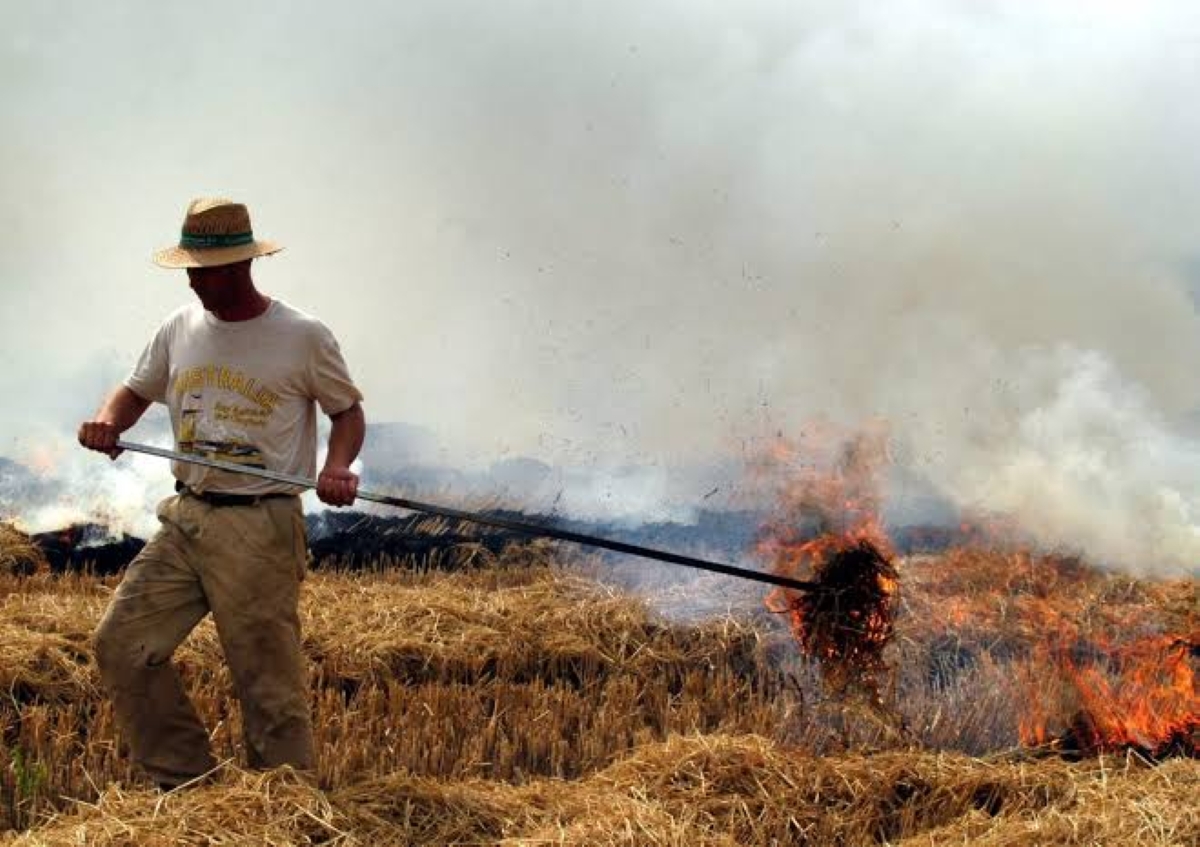
 Rice straw seeks a second life: a project in Valencia turns it into insulation for homes. Photo: Archweb.
From agricultural waste to sustainable construction material
Each season, rice fields generate large volumes of straw left after removing the grains. Some of these residues must be properly managed, especially in areas of high ecological value such as the surroundings of the natural park of l’Albufera of Valencia.
Therefore, GO STRAWMAT investigates alternatives capable of incorporating this biomass into new industrial processes. The goal is to develop materials that can be used in construction and provide thermal insulation properties, as well as certain fire-resistant characteristics.
The natural composition of straw, which includes elements like silica and lignin, is of interest to researchers. However, the project is still under development, and it will be necessary to evaluate the behavior, durability, and industrial viability of the materials before widespread application.
The environmental impact of rice cultivation is also part of the challenge
Rice is a fundamental crop for food, but its production can generate environmental pressures. These include water consumption, emissions associated with rice field management, and the generation of large amounts of plant waste after harvest.
Additionally, flooded rice fields can produce methane, a greenhouse gas generated by microorganisms in low-oxygen environments. For this reason, improving agricultural practices and finding uses for by-products can help reduce part of the environmental footprint of this activity.
However, the utilization of straw alone does not eliminate the impacts of cultivation. Its environmental value will depend on how the biomass is managed, the energy used to transform it, and whether the new material can replace products with a larger environmental footprint.
 Rice straw seeks a second life: a project in Valencia turns it into insulation for homes. Photo: EFE Agro.
What benefits could this initiative bring
One of the main potential benefits of GO STRAWMAT is to turn agricultural waste into a useful resource. In this way, it promotes a circular economy model where materials from the field can return to the production chain instead of becoming mere waste.
Additionally, insulating materials made from biomass could help reduce the need for heating and cooling. This is especially relevant in the face of rising temperatures and the growing energy demand of buildings.
Finally, the proposal can promote a greater connection between agricultural production, industrial innovation, and sustainable construction. In line with the energy efficiency policies of the European Union, projects of this type seek to ensure that the environmental transition does not depend solely on new technologies, but also on better utilizing existing resources.
If tests confirm its resistance, safety, and economic viability, rice straw could cease to be seen solely as waste and become part of a new generation of materials aimed at more efficient buildings.