
Spain’s big bet on renewables got started early, if slowly.
By the mid-1990s, the industry was still so low-tech that when a turbine blade broke at what was then Spain’s largest wind farm, Jose Manuel Entrecanales would bring in a windsurfer friend to repair it with the same equipment he used to fix surfboards.
It was an extremely rudimentary and artisanal business,” said Entrecanales, now chairman and CEO at Acciona, one of Spain’s largest developers of renewable projects. “The business was barely profitable, but for us, renewables were a business opportunity and a backdoor to access the electricity sector.”
Today, renewables account for about 60% of electricity on the Spanish grid, compared with about 50% across the European Union and one-third globally. That bold bet has lowered Spain’s power bills — which are now cheaper than they were before the latest Middle East conflict or the invasion of Ukraine — and put the country on track to meet its 2030 renewable targets. Spain is both ahead of the clean-power curve and the fastest-growing major economy in Europe, proof that deploying green energy at massive scale isn’t at odds with growth.
But as the renewables sector matures and a brutal European summer of wildfires and deadly heat waves underscores the energy transition’s urgency, the Spanish model is reaching its limits.
Solar and wind installations can only take the country so far down the path to decarbonization, according to experts, companies and government officials. Massive investment in large batteries and the power grid is also badly needed, and investors and foreign governments are paying close attention to the challenge Spain faces.
Renewable-energy generation this summer is the highest on record, according to provisional data from power-grid operator Red Electrica.
Surging investment in solar over the past 15 years has created a glut of electricity so large that Spain’s energy prices have increasingly fallen well below zero during peak times. Solar parks have plummeted in value, leaving investors looking for an exit and pushing some developers out of business.
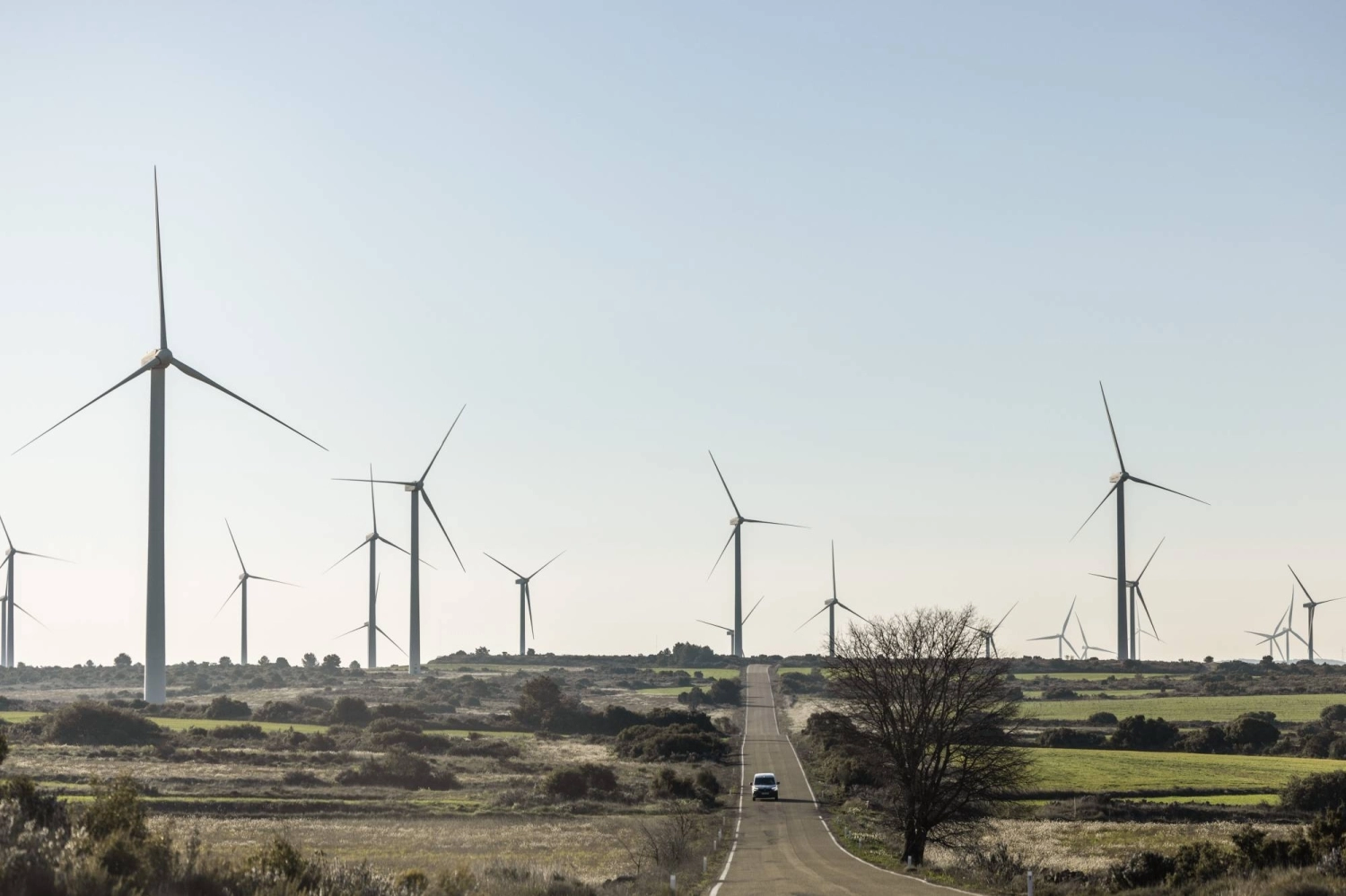
Wind turbines near Zaragoza, Spain. The country is both ahead of the clean-power curve and the fastest-growing major economy in Europe, proof that deploying green energy at massive scale isn’t at odds with growth.
| BLOOMBERG
At the same time, the inherent instability of renewable energy has led to sharp swings in power frequency, contributing to the massive blackout that briefly plunged the Iberian Peninsula into darkness in April last year.
Battery storage, and lots of it, can help fix oversupply by absorbing excess solar power during the day and feeding the grid at night. Batteries can also stabilize the grid by releasing stored electricity when power drops, such as when the weather changes. Unlike the nuclear and gas power plants that currently serve the purpose, batteries need no time to ramp up and can be turned on instantaneously.
But on this next step of the energy transition, Spain is lagging behind.
The country had about 400 megawatts of installed battery storage capacity in 2025, according to BloombergNEF. That’s less than 2% of the 22.5 gigawatts the country is targeting by 2030. While BNEF expects installed capacity to more than triple in 2026 and see continued growth in the years that follow, delayed regulation and the lack of a capacity market to help ensure energy-supply security have so far discouraged investors.
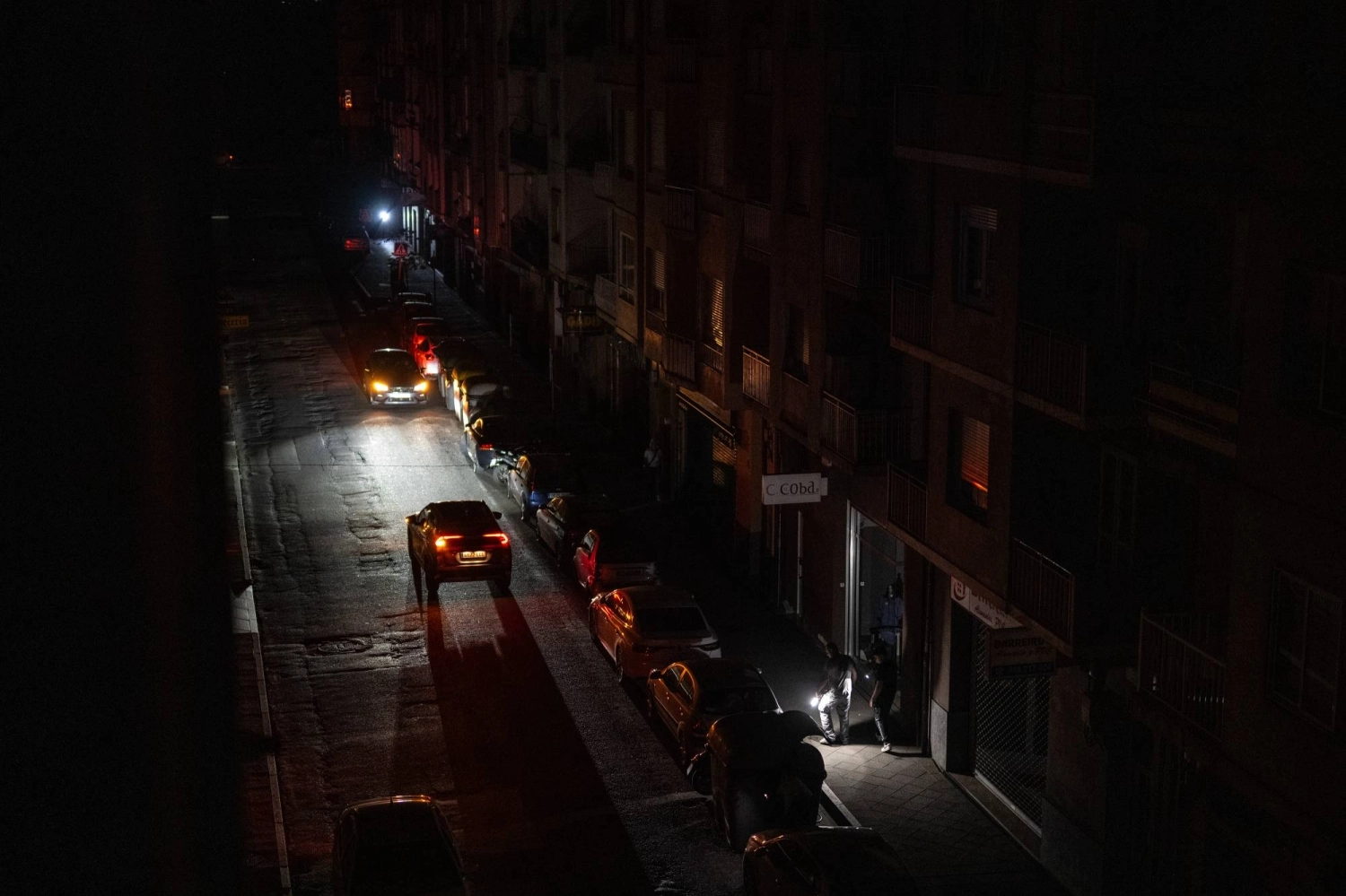
Pedestrians use flashlights in Ourense, Spain, during a blackout in April 2025
| BLOOMBERG
The government has sped up permitting processes and is subsidizing storage installations, said Joan Groizard, the country’s secretary of state for energy.
“Some changes you don’t see coming until suddenly they’re on top of you — I think that’s the case with storage in Spain,” Groizard said. “We’re right at the beginning of an exponential curve that will have a significant path over the next few months.”
But whether or not red tape is removed, there are still technological limitations, said Patricio Alvarez, a senior analyst at Bloomberg Intelligence. Large batteries that can store power for two to four hours a day can compete with gas on costs, but longer-term storage is still expensive.
“You can’t fix this problem just with money,” Alvarez said. “It needs the technology to get there too.”
Negative price pressure
The Iberian Peninsula is an energy island, with few power-grid links to France and the rest of Europe. That has protected Spain and smaller neighbor Portugal from the recent energy price spikes that have hit much of the region.
The natural environment has also set the stage for Spain’s renewable ambitions, with plentiful wind and sun, large swaths of empty land on which to build energy projects and a vast network of reservoirs to provide hydropower. Over the past 10 years, the overall economics of clean energy have vastly improved and Spain’s capacity has more than doubled.
“Our electricity mix is more decarbonized than ever and it’s also more competitive on costs,” Groizard said. “We have gone from having one of Europe’s five highest power bills to one of the lowest, both for homes and industries.”
But while cheap energy is a near-term boon for consumers, low prices are weighing on energy-sector investors.
Prices go into negative territory when the grid is oversupplied, forcing power plants to curtail production. The phenomenon isn’t unique to Spain, but the country has had 681 hours of negative power prices this year through Sept. 4, exceeding the number recorded in the whole of 2025.
Larger solar producers generally have long-term contracts that ensure fixed prices, but smaller companies are vulnerable to spot-market volatility. At least four Spanish projects or companies have been offered for sale in recent months, people familiar with the matter said in June.
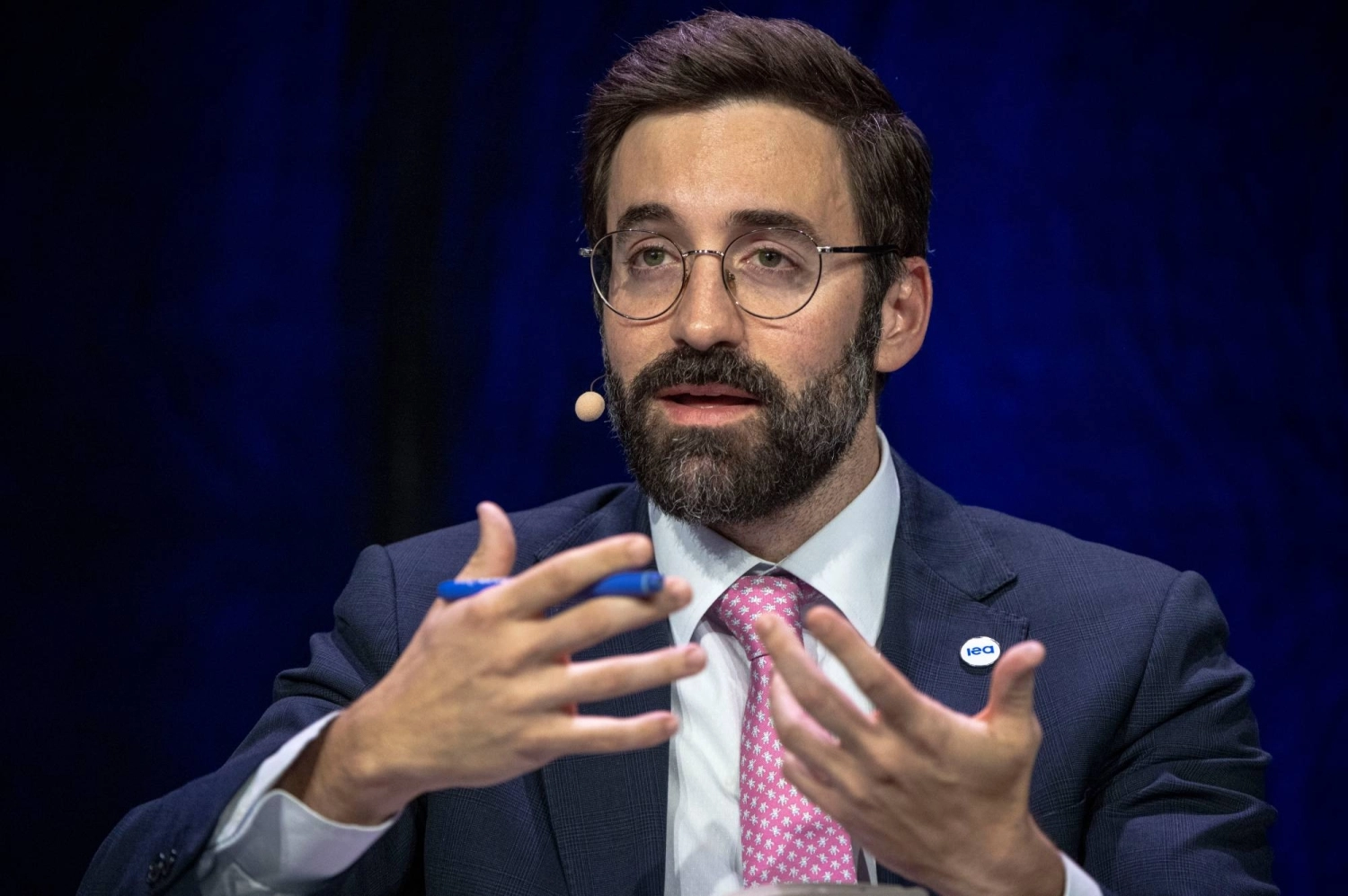
The Spanish government has sped up permitting processes and is subsidizing storage installations, according to Joan Groizard, Spain’s secretary of state for energy.
| BLOOMBERG
Very low prices mean it’s hard to sign long-term power contracts that give investors confidence to keep developing projects, said Alvarez. “The signals get distorted,” he said. “Investors are spooked.”
Last year’s blackout, the largest in Europe’s recent history, also raised questions of whether the deployment of renewables had gone too far, too fast. More than 50 million people were left without electricity for nearly half a day, taking electronic payment systems offline and closing businesses temporarily.
While the causes are still being investigated, several preliminary findings indicate that the Spanish grid wasn’t equipped to handle the sudden swings in power frequency coming from solar farms in the country’s south that day.
Grid investment is capped at 0.3% of Spain’s gross domestic product, the lowest spending-to-renewables ratio among EU countries and the U.K., according to BNEF. The grid also has little capacity left, meaning new renewable power, battery storage and data center projects are struggling to connect.
These constraints could slow investment and ultimately drive companies elsewhere, said Marta Sanchez, a partner at EY Spain who leads the firm’s energy-sector work.
The government has announced it will invest €13.6 billion ($15.8 billion) in the country’s grid through the end of this decade. The plan will increase the network’s high-voltage capacity 14-fold, allowing industrial projects worth around €7 billion that are currently halted to go forward, according to government calculations.
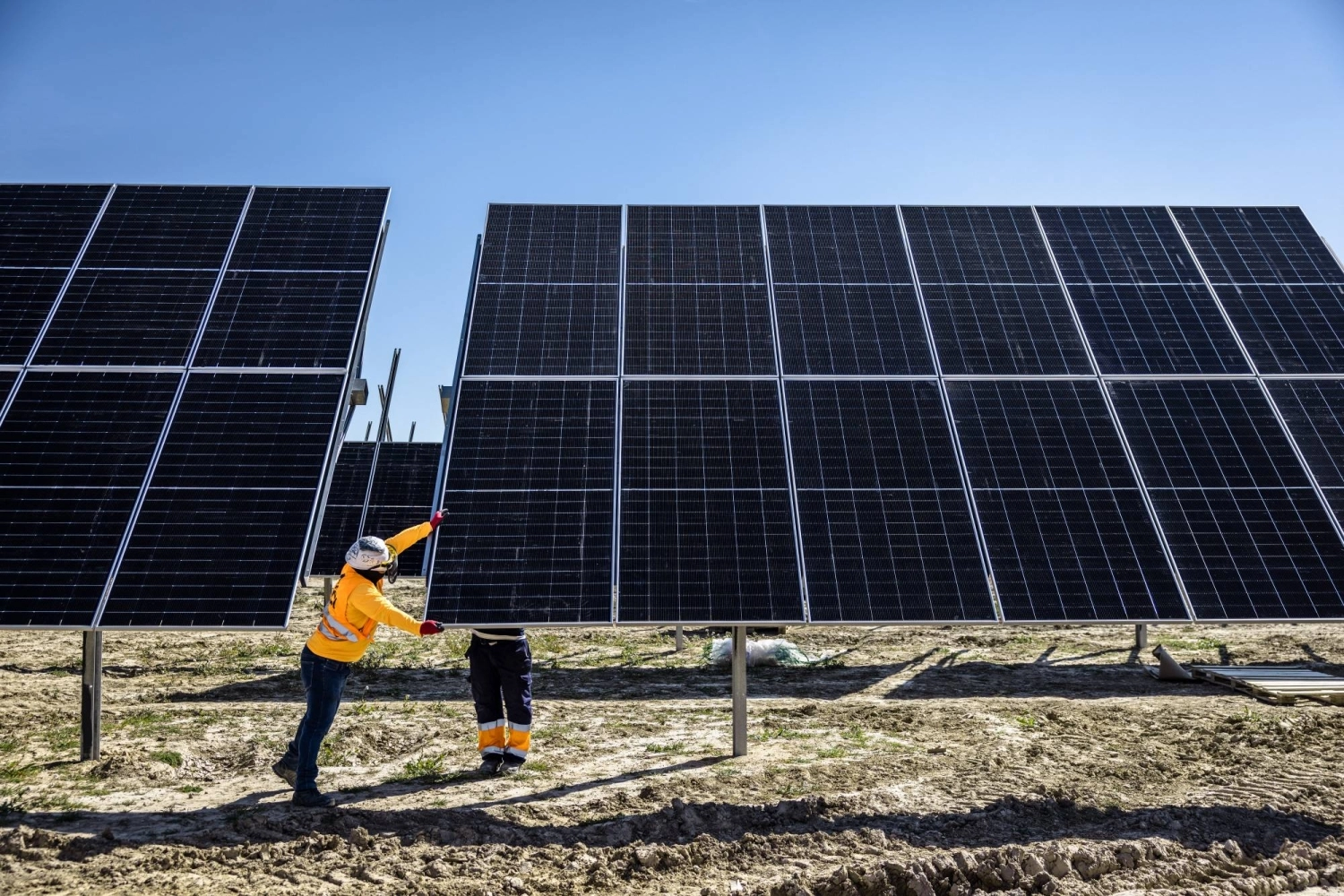
Workers install solar panels at the Fuendetodos II solar park in Villanueva de Huerva, Spain.
| BLOOMBERG
“The lack of grid capacity prevents demand from growing — if demand doesn’t grow, it limits the deployment of additional renewable energy,” Sanchez said. “To continue Spain’s successful rollout of renewable energy, demand needs to keep growing. And to grow demand, we need the grid.”
Battery bottlenecks
Large-scale battery storage can help to smooth out supply, retaining and releasing energy as required. But Spain has long struggled with installing big batteries.
Until recently, developers who wanted to add a battery to an existing solar or wind farm — a straightforward practice in other parts of the world — needed to go through the permitting process from the start. Slow guidance from the EU on capacity markets has delayed the establishment of a system where large storage can compete with gas and nuclear.
In recent years, the government has given close to €2 billion under different programs that include assistance for storage systems and has made permitting easier, according to energy state secretary Groizard.
“We are seeing a lot of interest in the sector,” he said. “We have thousands, literally thousands of megawatts of storage in different phases of approval.”
Battery businesses that try to take advantage of peaks and troughs in power prices can be profitable as long as the swings in spot markets are sharp, said Entrecanales.
While remuneration models are needed to encourage batteries, the more storage in the system, the more stable prices are and the less attractive that model becomes.
“If everyone installs them, highs and lows are gone,” Entrecanales said. “It’s one of the big risks in batteries — they have an element of cannibalism.”
And battery technology is still not mature, according to Alvarez. The economics are forecast to continue to improve with time and scale, but in most markets, very long-term storage is not yet cheaper than fossil-fuel alternatives.
“The risk is that batteries don’t become cheap enough to meet those lower power prices in Spain,” Alvarez said.
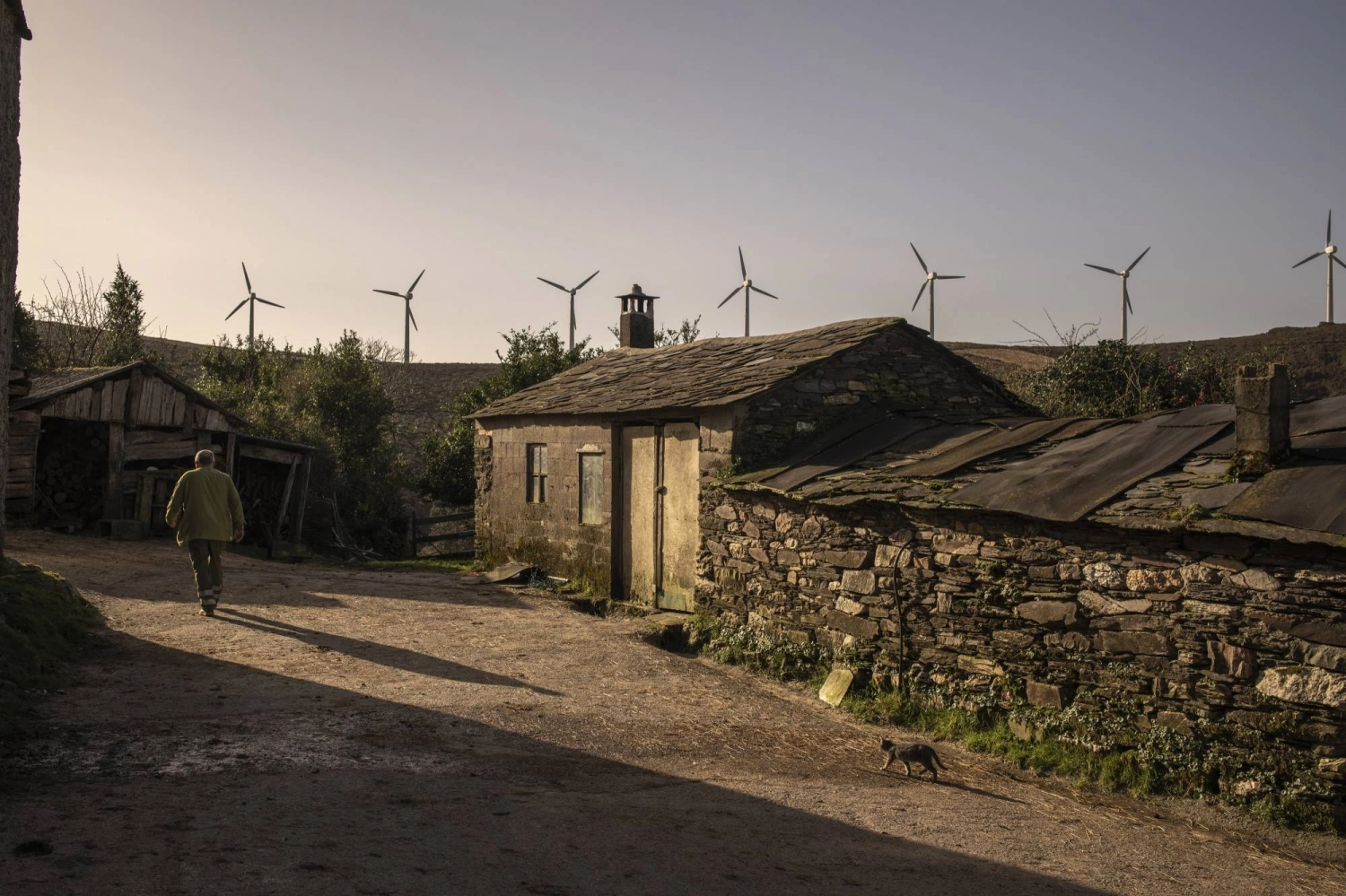
Wind turbines at the Bustelo wind farm in Muras, Spain. The country’s power bills are now cheaper than they were before the latest Middle East conflict or the invasion of Ukraine.
| BLOOMBERG
Still, firms like Grenergy Renovables SA see opportunity. Founded in 2007, the Madrid-based clean-energy producer initially built some solar projects in Spain before shifting to focus on foreign markets. The company once again sees potential at home.
“Spain has a historic opportunity to become an energy island with much more competitive energy than the rest of the continent — but that requires agile permitting,” Grenergy CEO David Ruiz de Andres said. “Batteries at a massive scale will shift the paradigm.”
The next leap
While Spain is a leader in the rollout of solar and wind, only about 25% of its economy is electrified. The rest — from cars, to boilers in homes, factories and furnaces — still runs on fossil fuels.
The EU’s economy is currently roughly 23% electrified, with a target of 32% electrification by 2030. Turkey, which is hosting this year’s COP31 climate summit, wants countries to agree to a global target of 35% by 2035.
Increased electrification is the next leap in fulfilling the country’s net-zero promise and attempting to slow the pace of global warming.
There are positive signs that electricity demand is growing, such as the shift towards decarbonization by Moeve, Spain’s oldest private oil company. While the firm still draws most of its profits from fossil fuels, it has sold 70% of its oil-producing assets and introduced an €8 billion clean-technology investment plan that Moeve CEO Maarten Wetselaar calls “a cornerstone of our transformation strategy.”
But the risk remains that Spain fails to make the most of its renewables head start, as its economy and infrastructure get battered by the impacts of global warming. This summer, wildfires burned on the outskirts of the Spanish capital, Madrid, while heat has contributed to an estimated 5,000 deaths in the country.
“Electricity demand needs to be high enough to keep driving both generation investment and also grid investment,” Alvarez said.
If electricity demand doesn’t rise fast enough, “countries with a high renewable penetration rate, like Spain, start to see flaws in the investment signals needed to keep deploying batteries and to keep deploying grid investment.”