Dining at Faro Santander
From 8 September, Faro Santander will also open its dining spaces on the top two floors of the building, led by chef Nacho del Corral.
Los Jardines de Faro is a terrace offering drinks and informal dining, with views across Santander and the bay, with extended hours beyond museum opening times on select evenings.
The Lumen restaurant brings together art and fine dining with a menu based on local and seasonal produce. Bookings are available through @lumenfarosantander and will soon be available on its website.
The Faro Museum shop
The Faro Store, located in the centre’s foyer, will offer books, publications and products linked to Faro’s exhibitions and cultural programme. The range will include design and homeware, accessories, stationery and textiles.
Opening hours, tickets and access
Following the open-day period, from 18 September onwards, Faro Santander will be open continuously from 10.00 am to 8.00 pm every day, except on Tuesdays (excluding public holidays), when it will be closed. The standard admission fee is 14 euros and the reduced rate is 7 euros, which applies to residents of Cantabria, students aged 18 to 25, those aged 65 and over, the unemployed and Banco Santander customers. Admission will be free for under-18s and Banco Santander staff. On certain days throughout the year, such as International Museum Day or Faro’s anniversary, admission will be free for all visitors.
Faro provides the public with free audio guides, accessible via their own mobile phones, for all exhibitions, as well as an introduction to the building itself and its history. With these, any visitor can explore the space at their own pace, delving deeper into both the artworks and the architecture of the Pereda Building.
From 18 September, Faro will offer guided tours as part of its outreach programme. The programme will vary each day, ranging from introductory tours of the project as a whole to more in-depth tours of the various exhibitions. There will be daily tours at 5.00 pm and, at weekends and on public holidays, also at 11.00 am.
Tickets for all days of the opening events can now be booked on the website www.farosantander.com and will be available in person at the box office from 8 September.
For visits from 18 September onwards, bookings will be available from 8 September on the same website and at the centre’s ticket office.
+Faro: the way to experience the museum more closely and become part of its community
Available from 28 August, +Faro is Faro Santander’s individual membership programme, which offers a range of benefits throughout the year.
Members will have priority and unlimited access to Faro, priority booking for activities and events, and special offers in the shop and dining areas. The programme will also include activities and events reserved for +Faro members
A reduced rate of €15 a year is available to residents of Cantabria. Other groups eligible for the reduced-rate membership include students aged 18 to 25, people aged 65 and over, the unemployed, and Banco Santander customers.
About Faro Santander
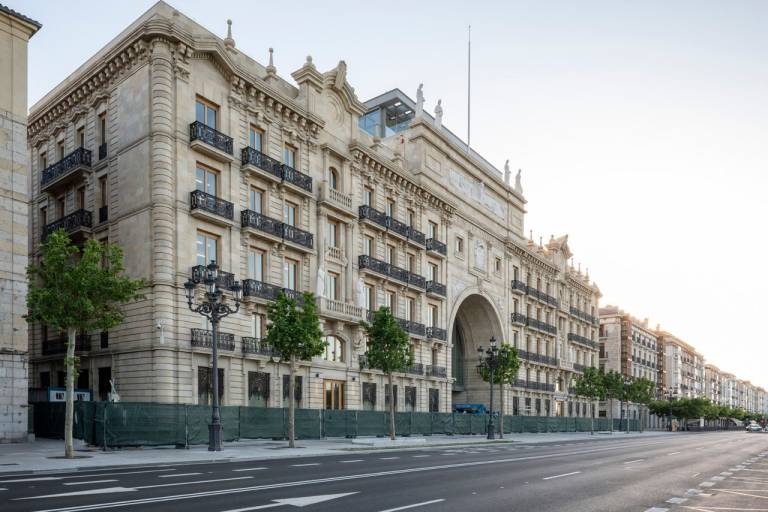
Faro Santander is a cultural project run by the Banco Santander Foundation. It is the city of Santander’s new arts centre, where art, culture and technology come together in an open setting accessible to all. Faro Santander is housed in the Pereda Building, the former headquarters of Banco Santander and one of the city’s most iconic buildings. This historic building is now being given a new lease of life with the aim of becoming an ambitious, innovative and inclusive cultural space, connected to society and the cultural fabric of Cantabria.
The centre’s architectural design has been entrusted to the English architect David Chipperfield, winner of the Pritzker Prize in 2023. The opening of Faro Santander will mark a new milestone for the city, offering a dynamic, stimulating and fun venue where everyone is welcome.
About the Banco Santander Foundation
The Banco Santander Foundation works to help build a more equitable, inclusive and sustainable society. To this end, it carries out initiatives grouped into three areas of action: promoting culture as a tool for understanding the world around us; social action to support the progress of vulnerable groups; and education and entrepreneurship as drivers of society.