Credit: Far Out / Linda Ronstadt
Wed 29 July 2026 0:00, UK
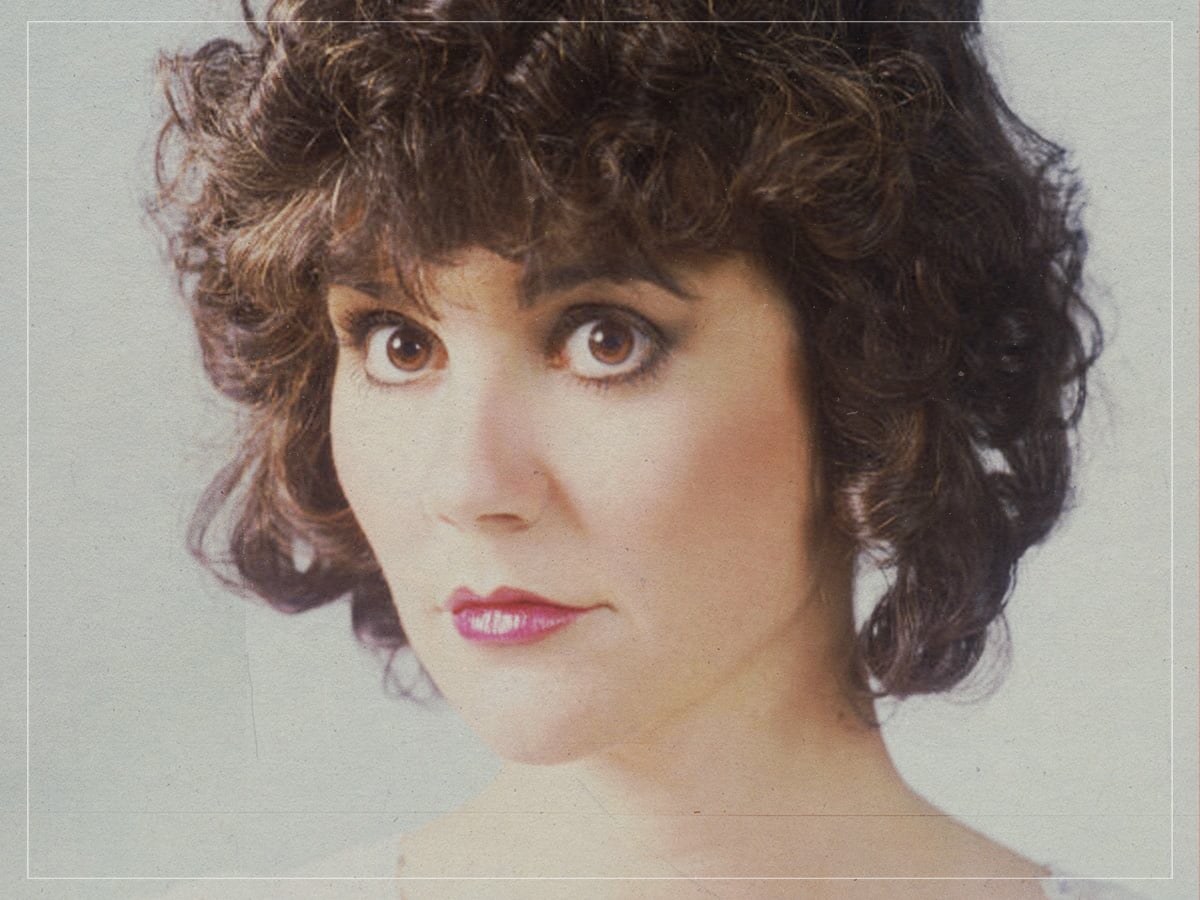
Linda Ronstadt never felt satisfied working in one genre of music for the rest of her life.
She felt like there was an opportunity to do anything that she could as long as she put her mind to it, and even though there were a few pitfalls every now and again, she was going to push her voice to do whatever it needed if the song deserved that level of performance. But even with all of her musical training, she understood when some songs weren’t worth the effort to get on the Billboard charts or anything.
Because as much as Ronstadt liked the idea of making some of her tunes, she knew that some of the biggest pieces of her career weren’t intended for the masses. No one was wondering why her Pirates of Penzance performances didn’t hit as well as Heart Like A Wheel, but that’s because she was aiming for a completely different demographic when working on most of those songs.
She had graduated to a higher level of performer by that point, and while she still had ideas for where her music could go, not all of them needed to be commercial. She was called insane for even entertaining the idea of making albums that were based on the Mexican music that she heard as a child, but La Canciones de mi Padre is still one of the more interesting albums that she has ever made in her career.
But the reason why those albums worked was her refusal to compromise her sound. She wasn’t going to make a song that sounded authentic to the music she heard as a kid and suddenly turn it into a pop juggernaut. That would have ruined the entire appeal of doing it in the first place, and she had heard examples of people neutering their songs one too many times in the pop sphere.
Any band usually has to go through those moments where they either have to cut down one of their favourite songs or take it in a different direction. It’s almost second nature when it comes to rock and roll bands, but even when Ronstadt was working with Nelson Riddle on her album of American standards, she remembered that Frank Sinatra’s version of ‘My Way’ was the perfect example of cutting corners.
The song was originally made in French, and while Paul Anka did write decent words for the tune, Ronstadt felt that it never needed to be on American radio with the changed words, saying, “But even [Sinatra’s] best stuff didn’t survive, even [he] would tell you that ‘My Way’ was horrible and those later hits that he had, they certainly weren’t his favourite, he never liked ‘My Way.’ It was a great song when it was still in French, but it didn’t survive the American interpretation of that melody. So even his best stuff got driven out of him.”
Further reading: From The Vault
Even if the original French version is the definitive version, it is interesting to see what the American translation has become over the years. Not all of the renditions of the tune work as well, but it does feel like a blessing in disguise that the English translation did at least give David Bowie incentive to write a tune like ‘Life on Mars?’ only a few years later, after he missed out on writing those words.
So while the original version of the tune didn’t have what it took in either Sinatra’s or Ronstadt’s mind, it was worth it to expose Americans to this kind of melody. No one would have imagined that it could sound so good, but that all comes from people who are willing to put in the work to take their voice that one extra mile to do a song justice.
