
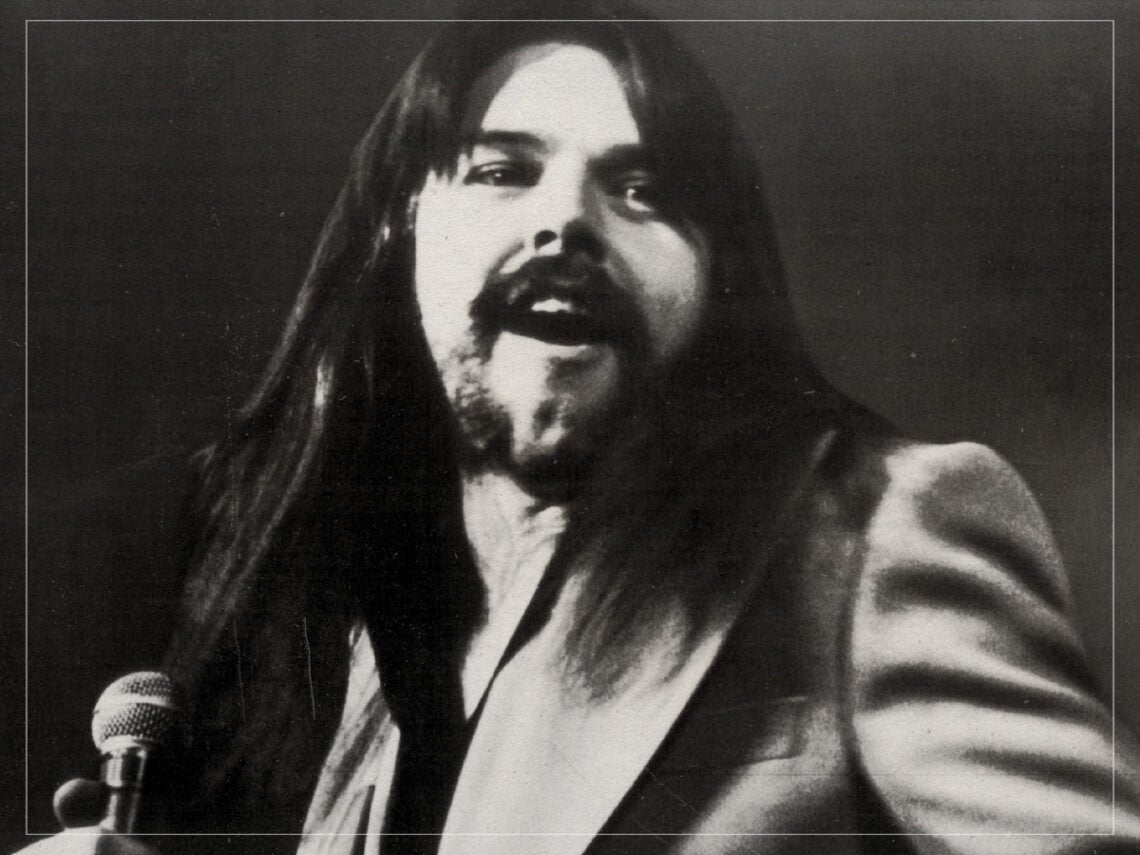
Credit: Far Out / American Talent International / Capitol Records / Public Domain
Tue 4 August 2026 20:30, UK
Nobody becomes a successful musician through a lifetime ambition to examine legal paperwork, copyright law, or royalty disputes. Hence, there has never been any shortage of musicians, like Bob Seger, who have found themselves on the wrong end of the music industry and its legal prowess.
A titan of heartland rock and a key candidate for being the greatest American rock songwriter of the 20th century, it is fair to say that Bob Seger has done rather well for himself. With a multitude of utterly iconic records under his belt, and the kind of name that lends itself very nicely to tour posters and venue awnings, it was clear from the beginning of Seger’s career that he’d never be a starving artist. That is not to say, however, that he never made any mistakes.
Alongside Seger’s own recording career, beginning towards the tail-end of the 1960s with LPs like Ramblin’ Gamblin’ Man, the songwriter has also embarked upon a plethora of collaborations over the decades – perhaps most notably with the Eagles, for their chart-topping single ‘Heartache Tonight’, which he co-wrote.
You would assume, therefore, that by the time 1978 rolled around, Seger was well-versed in songwriting credits and royalties for songs that he had co-written. However, those lessons seemed to escape the songwriter’s mind on one fateful day at the iconic Muscle Shoals recording studio in Alabama, when he was preparing to lay down his defining track.
The kind of Bob Seger song that is ubiquitous within the rock realm, known even by those who wouldn’t readily identify themselves as fans of the songwriter, ‘Old Time Rock and Roll’ was a landmark moment for Seger. Although it was only a minor hit upon its initial release, peaking at 28 in the US singles charts, it has since ingrained itself in American culture repeatedly, through countless uses across television, film, and the playlists of virtually every dive bar in the world.
Yet, Seger himself earns little in the way of royalties from the song. Admittedly, it is George Jackson and Thomas E Jones III who are credited as songwriters on the track, but Seger has repeatedly claimed to have rewritten large sections of the song prior to the recording, altering virtually all the lyrics aside from the chorus.
At the time, though, Seger didn’t push to be included on the songwriting credits, despite having a veritable claim to be placed alongside Jackson and Jones. “I rewrote the verses and I never took credit. That was the dumbest thing I ever did,” he once told Classic Rock. “But I just wanted to finish the record.”
Further reading: From The Vault
Seger went on to claim that his manager at the time had gone as far as to recommend that Seger pursue some songwriting credits, to which he responded, “Nah. Nobody’s gonna like it.”
Inevitably, then, it soon became one of his defining tracks, and he had little to no control over its copyright. Perhaps if he had, it wouldn’t have ended up in such a headache-inducing volume of television advertisements over the years.
Bob Seger’s extensive and illustrious career is full of invaluable lessons for songwriters of all kinds, but the prevailing lesson spurred on by ‘Old Time Rock and Roll’ is: always ask for songwriting credits, because you might miss a trick, but the music industry never does.
