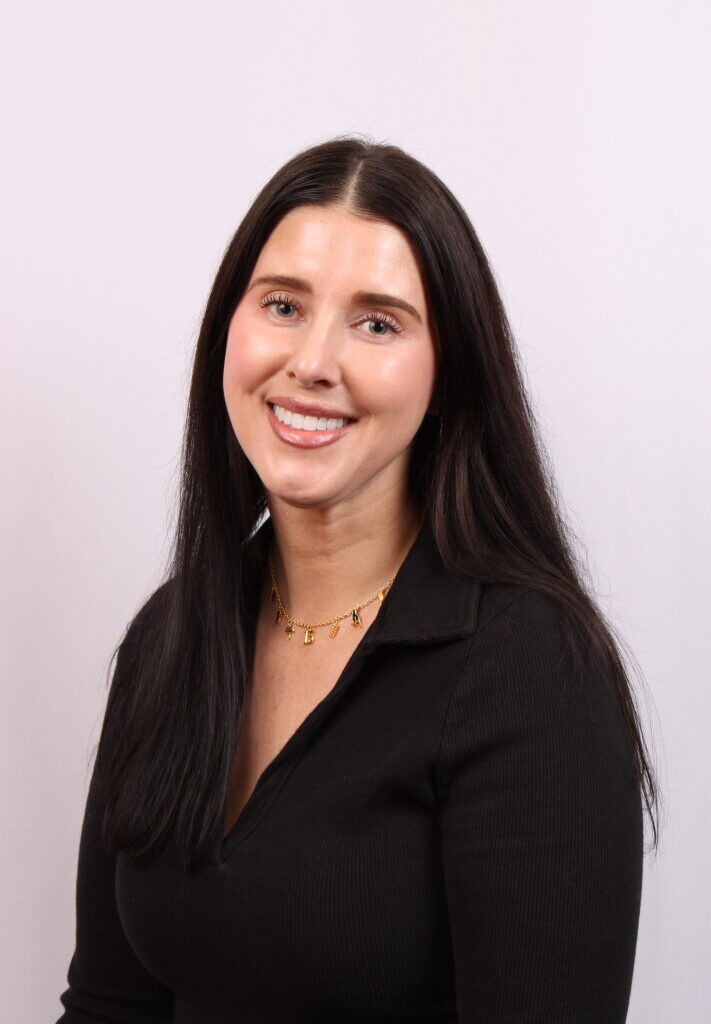
WORTHINGTON — Charlotte Heinz-Hoefert, a licensed professional clinical counselor for almost 13 years, opened her business Woven Counseling and Consultation Services, LLC, early in 2025 so that she could help people with immediate support and assistance. Part of her efforts involved bringing a Wind Phone to Worthington.
Heinz-Hoefert moved to Worthington in 2017 to work in mental health and is “really happy to call (Worthington) home.”
She came up with the business name Woven because her theoretical orientation is systems-based, and out of that, she gravitates toward the modalities of feminist and solution focused, which are rooted in the concept of intersectionality, “which is like an intersecting type of web,” she said. “Plus my name, Charlotte’s Web.”
Heinz-Hoefert also developed an interest for Guatemalan woven textiles after studying abroad there for a couple of weeks during graduate school at St. Cloud State University.
“There’s stories and symbolism behind that,” she said. “There’s so many layers to it and in so many different cultures … there’s women that are weavers and storytellers, and words are powerful, like Charlotte’s Web, where words save others lives.”
Licensed in five states (Minnesota, South Dakota, Iowa, Wisconsin and Georgia), her practice is virtual only through a secure telehealth platform. She provides mental health counseling, clinical supervision and immigration evaluations.
“It’s kind of like traditional talk therapy just from the comfort and convenience of somebody’s home,” Heinz-Hoefert said, adding that she partners with local immigration law firms as well.
Her business model is a little different from others in that she doesn’t accept health insurance. Her services are more of a transaction between her and the client to save administrative hours arguing for coverage, reimbursement rates and the chance of clawbacks. It’s also a way she can protect clients’ privacy even more.
“Now that I’m in private practice, I’m able to not only just help people one-on-one like a clinical counseling session for 50 minutes, but then I’m also able to do some of these more pro bono, community service type of things, which has been really nice,” she said.
Heinz-Hoefert brought the idea of a Wind Phone — a disconnected landline for people experiencing the grieving process to connect with their deceased loved ones by letting their words be carried through the wind, providing a source of comfort, hope and support — to the city of Worthington last year after seeing more things about it in grief groups.
“And then I was thinking, I actually have a disconnected landline at my house, it came with the house when we bought it … I’ve never taken it down,” she said. “I saw all these things about Wind Phones and then my dad passed away in 2022. Of course, grief is a journey. … Aren’t I privileged and fortunate? I have a Wind Phone already.
“I’m seeing all these different stories and personal experiences using them and communities benefiting from them, and then I think about the other homes in Worthington, or the people from all over the world that have moved here and started families, they don’t necessarily have access to a Wind Phone in their own house, and they struggle with grief too,” Heinz-Hoefert continued. “My dad is buried in Florida, so that’s a struggle just like somebody who’s grandpa’s buried in El Salvador or if they’re not able to make it to their aunt’s funeral in Thailand or something.”
This is one thing that regardless of what language they speak, how much money they have, whether or not they’re covered by health insurance or whatever, they have access to using the Wind Phone.
Charlotte Heinz-Hoefert
The Worthington City Council on Monday night approved Heinz-Hoefert’s request to place a Wind Phone on the peninsula at Sunset Bay — a serene and secluded spot accessible by from the Puppy Park parking lot, and not far off the paved trail.
“I know when a lot of people are grieving, they don’t necessarily want it to be on full display,” Heinz-Hoefert said. “It’s not this dark secret that anybody has to hide, but it is a private moment usually.”
She said if the phone were placed in the parking lot of a public community mental health center where there’s a lot of foot traffic, that can increase stigma related to mental health.
“Anybody could be struggling; we could be struggling with mental health in the Walmart parking lot, like it’s not limited to just one area,” Heinz-Hoefert said. “And it might be somebody that doesn’t even realize that’s what they need. They might just see it and think, ‘Well, I have always wondered what I would have wanted to say to my relative that passed away.’”
“This is one thing that regardless of what language they speak, how much money they have, whether or not they’re covered by health insurance or whatever, they have access to using the Wind Phone,” Heinz-Hoefert said.

Chloe Farnsworth became a reporter for The Globe in April of 2025 and has been the paper’s community editor since October 2025. She received a Bachelor of Arts degree for journalism from the University of Minnesota Duluth.