
The British Museum is to present its first major exhibition dedicated to Korean art and history in more than 40 years, bringing together over two millennia of art – from ancient ritual objects and Goryeo ceramics to Nam June Paik and Do Ho Suh.
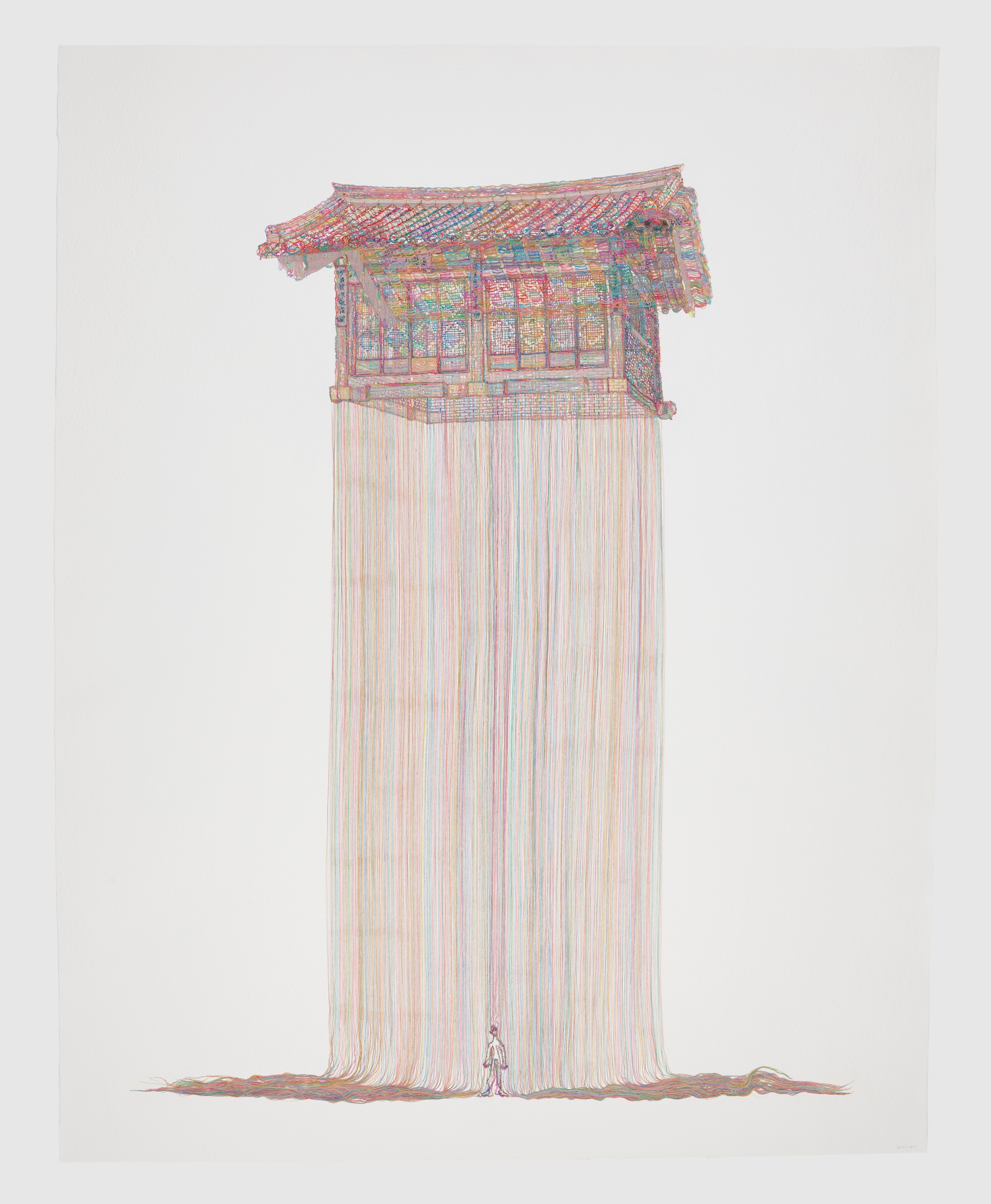 Do Ho Suh (b.1962), Self-portrait, 2019, Thread embedded in cotton paper © Trustees of the British Museum
Arriving at a moment when Korean music, film, television, fashion and contemporary art have an unprecedented international presence, the exhibition will look beyond the phenomenon of hallyu – the Korean Wave – to explore the much deeper cultural history behind it.
Spanning 300 BC to the present day, the exhibition will trace how generations of Korean artists and craftspeople absorbed influences from beyond the peninsula while continually reshaping them to create a distinctive visual and material culture.
At its heart will be exceptional works from the collection of the late Samsung Chairman Lee Kun-Hee, drawn from the extraordinary donation of more than 23,000 objects made to Korea’s national museums following his death.
The British Museum presentation will bring works from the National Museum of Korea and the National Museum of Modern and Contemporary Art into conversation with its own collection, including numerous works designated as Korean National Treasures.
For anyone whose introduction to Korea has come through K-pop, cinema, television or the country’s increasingly influential contemporary art scene, it promises a considerably longer view.
 Ten symbols of longevity, 1800–1900. Attributed to court painters ten-panel folding-screen, ink and colour on silk © National Museum of Korea
Dr You Hong-June, Director of the National Museum of Korea, said:
“The Lee Kun-Hee Collection’s international tour has achieved remarkable success in Washington DC and Chicago. Now at the British Museum, the exhibition presents a fresh narrative of Korea through a compelling selection featuring more National Treasures than the previous two venues. In the heart of London, visitors can discover the very roots of K-culture, which is enjoying worldwide popularity. I look forward to welcoming many K-culture fans from across the UK and Europe.”
The exhibition moves chronologically through Korea’s artistic history, placing celebrated historic objects alongside modern and contemporary works rather than treating the past as something sealed away from the present.
Among the earliest objects will be bronze ritual implements dating from 300–100 BC, while Korea’s extraordinary history of ceramic production will be represented by works including a 13th-century gourd-shaped celadon ewer.
The luminous blue-green glazes and intricate inlay of Goryeo celadon will sit alongside the more restrained porcelain associated with the later Joseon period, revealing how changing aesthetic, philosophical and social ideas shaped the objects being produced.
Rare Buddhist paintings add another dimension, combining extraordinary technical sophistication with objects created for spiritual devotion.
One of the major highlights will be Jeong Seon’s Clearing after the Rain on Mount Inwang. Rather than following the tradition of depicting idealised, imaginary landscapes, Jeong painted the recognisable Seoul landmark of Mount Inwang, its rain-darkened ridges emerging through layers of mist.
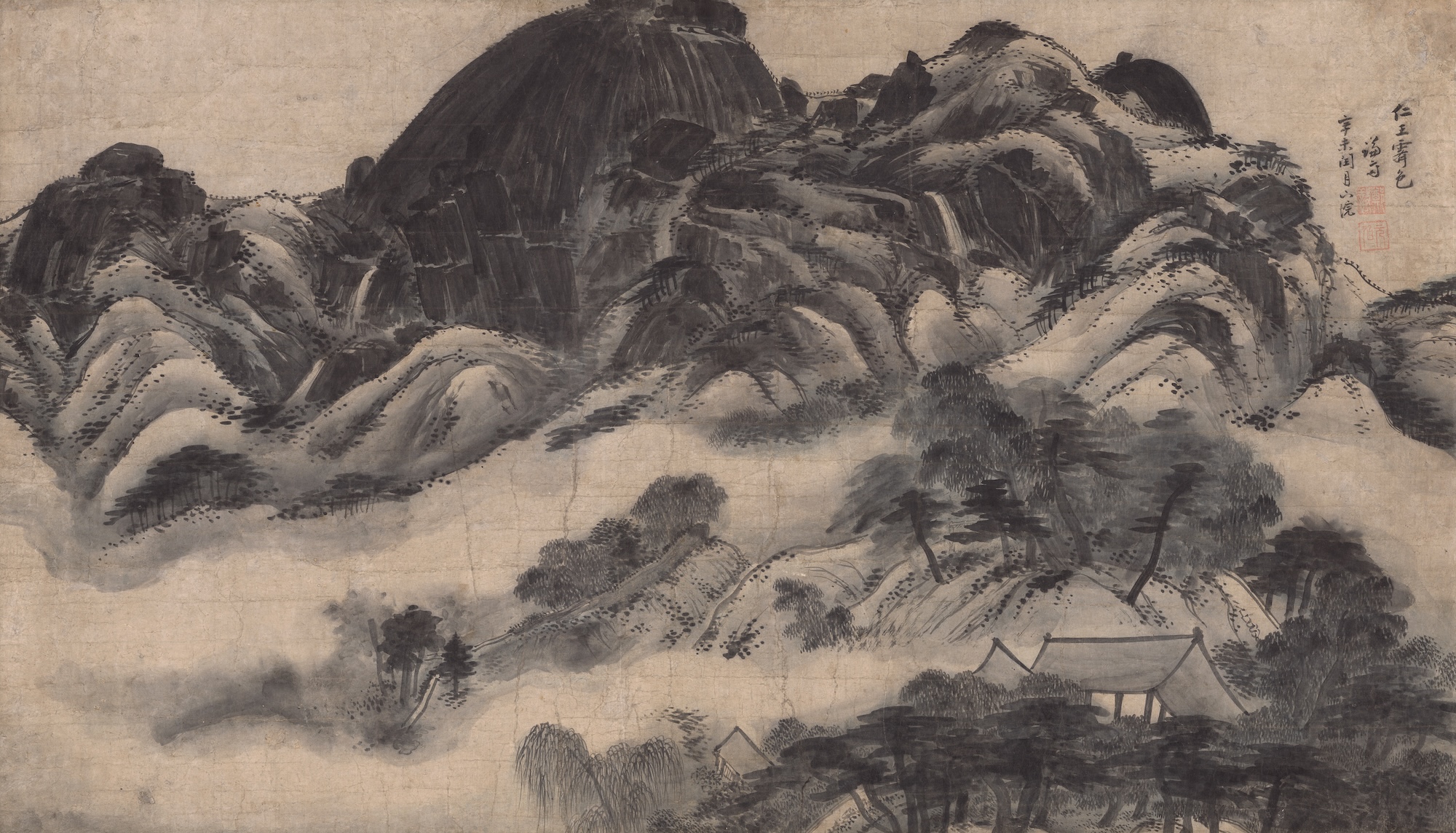 Jeong Seon (1676-1759), Clearing after rain on Mount Inwang, 1751, Hanging scroll; ink on paper. © National Museum of Korea
Sang-ah Kim, Curator of Korean collections, said:
“By diving deep into the circumstances under which objects were made, this exhibition offers insight into makers and patrons across the centuries. A sutra inscribed by a deposed queen, an ink landscape of a mountain in Seoul, a painting of quasi-nude figures ambling through an imagined paradise, and sketches inscribed on cigarette foil: these images not only illuminate Korea’s history but also carry personal messages that resonate across time and cultures.”
The story eventually reaches artists who radically expanded what Korean art could mean internationally.
A work by Nam June Paik, the visionary Korean-born artist who became one of the pioneers of video art, will feature alongside a newly acquired work by Do Ho Suh, whose practice has repeatedly explored home, identity, migration and memory.
Placing these contemporary works among centuries-old ceramics, paintings and ritual objects allows the exhibition to draw connections across time rather than presenting Korean modernity as a break with what came before.
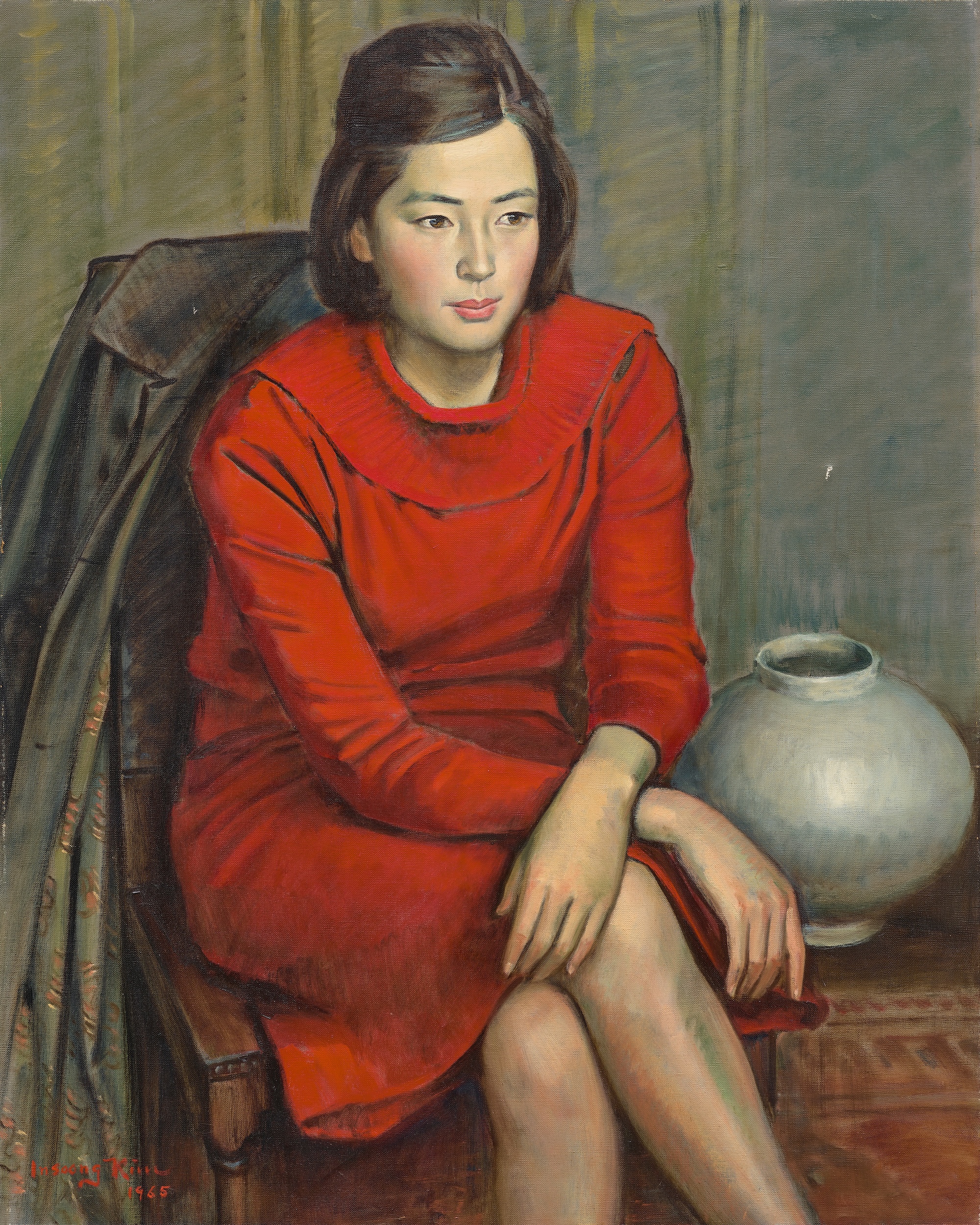 Kim Insoong (1911-2001), Woman in a red dress, 1965, Oil on canvas © National Museum of Modern and Contemporary Art
That feels particularly pertinent in 2026. Frieze Seoul returns for its fifth edition in September, while Korean artists, galleries, fashion, cinema, music and design increasingly operate at the centre rather than the periphery of international culture. Frieze itself describes Korea as playing a defining role in contemporary art across Asia.
The British Museum is effectively asking what came before the Korean Wave – and showing that the answer stretches back more than two thousand years.
Korea, 1st October 2026 – 31st January 2027,
British Museum
CategoriesTagsAuthor 
Mark Westall has spent over thirty years creating platforms for culture. Since founding FAD Magazine in 2006, he’s dedicated his career to documenting, championing and questioning contemporary art through publishing, criticism and conversation. As founder and editorial director of one of the UK’s leading independent contemporary art publications, he has interviewed artists, reviewed exhibitions and covered the ideas shaping contemporary visual culture for more than two decades. He also founded Art of Conversation, Despoke and FAD Bazaar, and regularly serves as a judge for international art and photography awards.