
London has never lacked artists. What it increasingly lacks is affordable space, funding and the conditions that allow artists to keep making ambitious work.
That reality sits behind Make Do / Make Space, curated by Nicholas Stavri for Hypha Gallery South Bank. Bringing together more than 30 artists, the exhibition spans sculpture, painting, ceramics, installation, screen printing and music made within the limitations of obsolete gaming technology.
Its title takes the wartime phrase “make do and mend” and relocates it to a post-lockdown London of rising costs, disappearing studios and shrinking public funding. But Stavri isn’t interested in presenting resourcefulness as an aesthetic trend. Instead, he sees it as one of the conditions under which artists are now being forced to work.
Working with Hypha Studios has allowed Stavri to temporarily interrupt that cycle, giving participating artists free access to its Southwark Bridge Road site, alongside time, space and technical support to produce work at scale.
 Nicholas Stavri, Photo Courtesy Temple Place
FAD caught up with Nicholas Stavri to talk about Make Do / Make Space, the economics of being an artist in London, disappearing studios, making versus creating and why artist-led organisations such as Hypha are becoming increasingly important.
The title Make Do / Make Space feels incredibly relevant right now. Did the exhibition grow from an idea you already had, or did it emerge from conversations with artists?
It started with a conversation more than a fixed idea. I’d been thinking for a while about how many of the artists I work with are just getting on with it, often without funding, sometimes without a studio, and more often than not, making work without a confirmed opportunity to exhibit it!
The title of the show references the wartime phrase “make do and mend”, and is reframed for a post-lockdown, austerity-ridden city of rising costs, disappearing studios, and shrinking public funding. It feels less like history and more and more like lived experience.
Once Hypha offered the Bankside space, that instinct needed a title, and Make Do / Make Space was the first thing that felt truly honest.
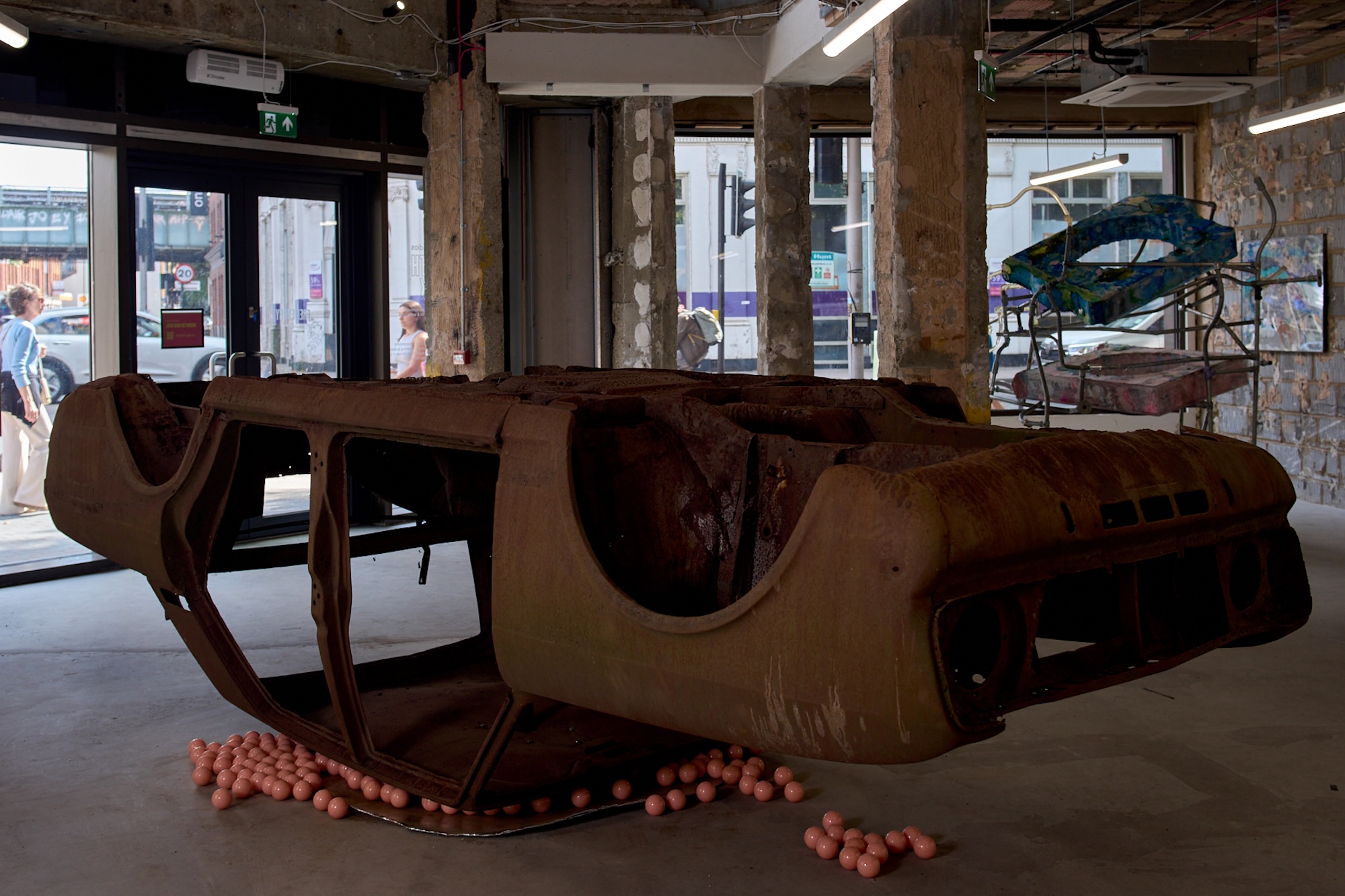 Emma Louise Moore, Catriona Robertson, Make Do Make Space, Hypha Gallery South Bank
London has never lacked talented artists, but it can be an increasingly difficult city in which to sustain a practice. Did that reality shape your thinking as you selected the exhibition?
Definitely. When an artist leaves university, their access to seemingly endless resources abruptly stops, and they’re forced to rent studio space that can often cost the same as a room in a house share. That, and the purchasing of materials and tools, can often lead artists, particularly sculptors, to stop making the works that they are driven to produce. Instead, their practice becomes guided by circumstance.
I wanted to try and disrupt that process a little. By partnering with Hypha Studios and receiving free access to their new site on Southwark Bridge Road, I’ve been able to offer artists both space and time to build works at scale, with technical support where needed.
You can’t visit galleries and artist studios and not have the realities of contemporary living stuck in the back of your mind… rents go up, spaces close, funding gets harder to find. I wasn’t looking for artists to illustrate that point, but a lot of the artists in this exhibition are already responding to those concerns without me asking.
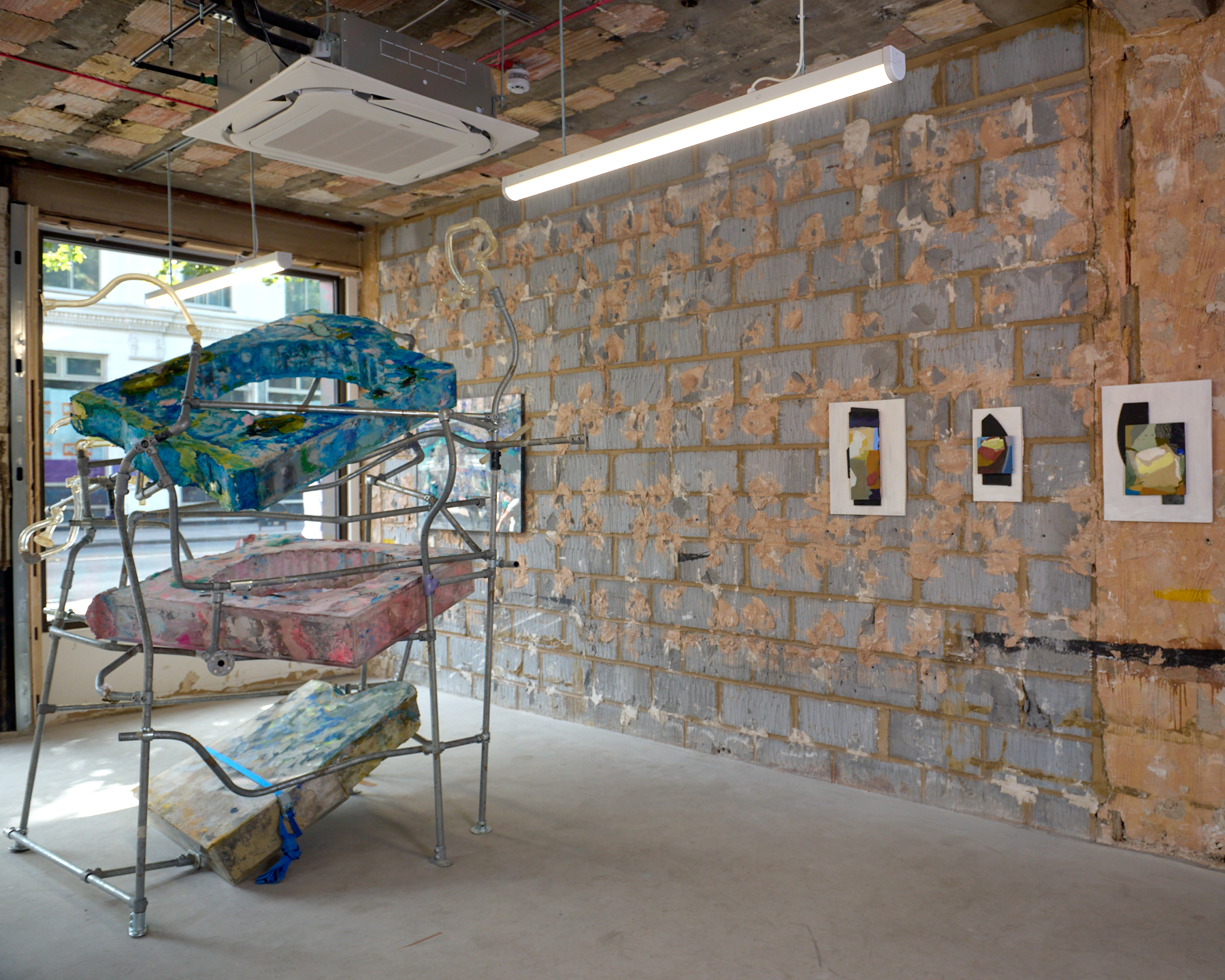 Catriona Robertson, Sofia Sköld_ Make Do Make Space, Hypha Gallery South Bank
Many of the artists transform everyday or discarded materials into ambitious works. Do you think resourcefulness has become one of the defining characteristics of contemporary practice?
I think it’s more a condition of working within today’s political and economic climate than a defining characteristic of the work itself. Artists have always used what’s around them in their works.
What’s changed is how materials are incorporated into works with the understanding that the artwork, however successful, will be dismantled into its component parts and those same materials processed and repurposed into new works — often permanently erasing what has gone before.
A brilliant example of this is the work of Catriona Roberton. As her practice has evolved, she has begun incorporating a ritual of breakage into her process, pulping materials back to their core fibres and reconstituting elements into new forms, creating aggregate for the next stage of making.
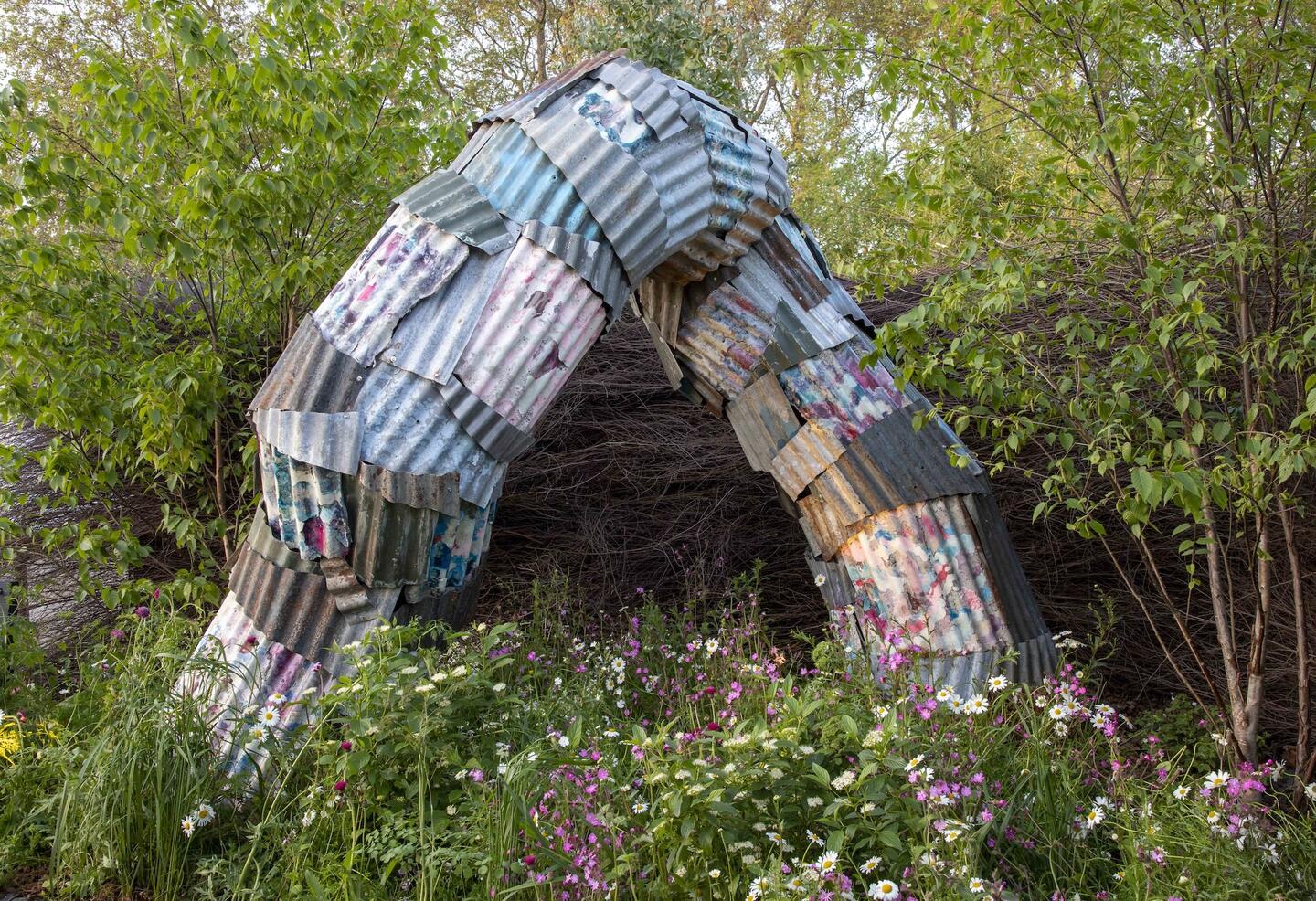 Saatchi Gallery’s Chelsea Flower Show Garden 2023 supported by HSBC UK presents British artist Catriona Robertson and her newly commissioned ‘Gigantic Worms’ sculptures – Garden designed by Dave Green Gardens photography by Stephen Studd
She currently has a sculpture called Gigantic Pile being installed in Regent’s Park for the Frieze Sculpture Garden. I presented a version of this work back in 2019; it was made from Amazon packaging, cardboard, carpet tiles and vacuum-formed corrugated sheets.
Over time, this work has been taken apart and reassembled multiple times, incorporating materials from the various sites where it has been rebuilt, often changing in size and shape, evolving with each iteration.
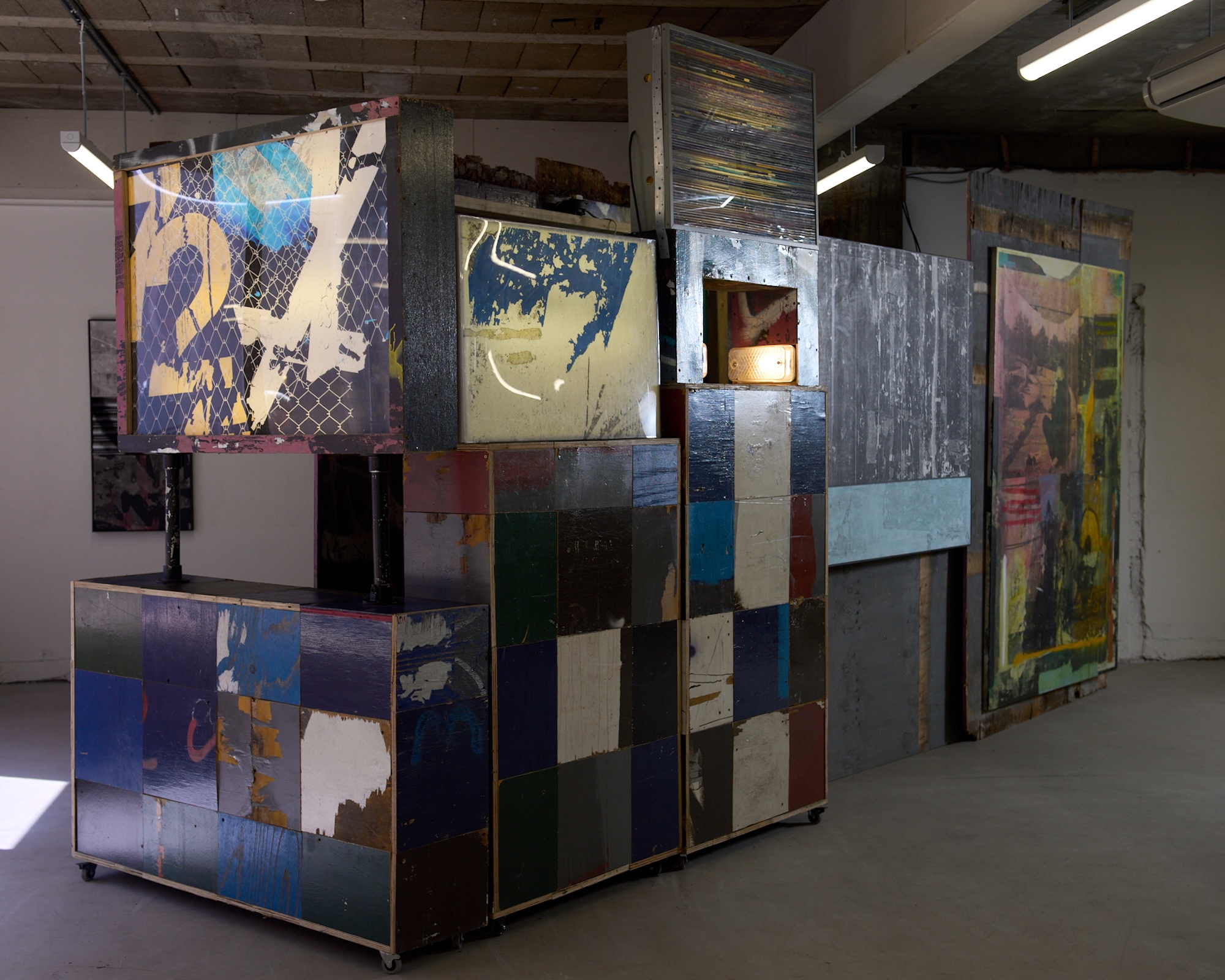 Mike Ballard, Make Do Make Space, Hypha Gallery South Bank
Hypha has built its reputation by creating opportunities where they don’t already exist. Do you think artist-led organisations are becoming more important than ever?
Absolutely. Institutions and traditional galleries move slowly, and fewer have room to take risks. Artist-led spaces and organisations like Hypha are filling a gap. Providing space for artists and curators to develop their work, expand their communities and reach new audiences.
For this exhibition, I have partnered with Hypha Curates, the charity’s commercial arm that showcases works from emerging, graduate, and established artists within the charity’s network, directing 70% of sales to the artists and 30% to fund free workspaces and galleries.
It is initiatives like this and Hypha Studios’ provision of free studio and exhibition space that are really making the difference.
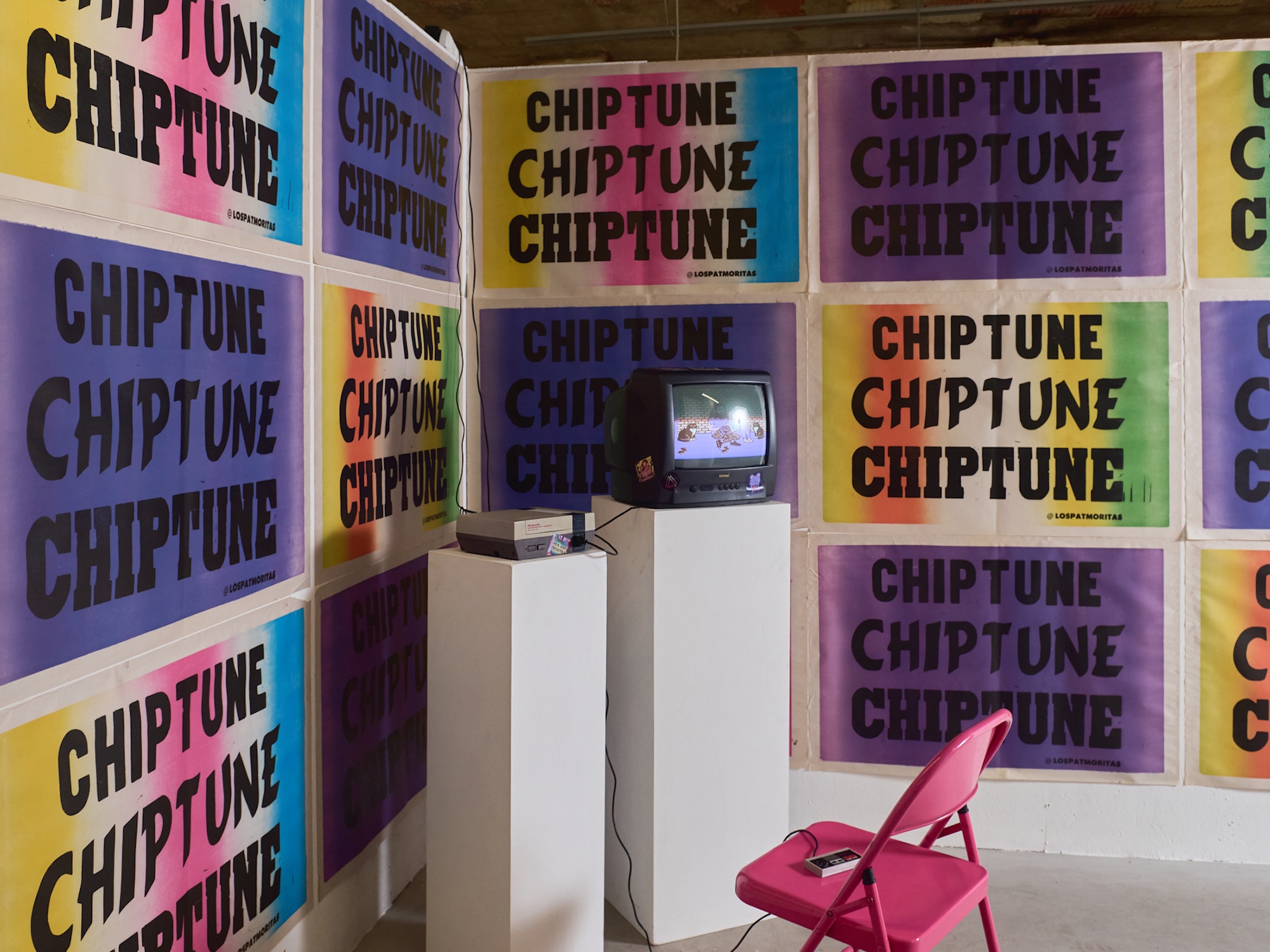 Mike Ballard, Make Do Make Space, Hypha Gallery South Bank
After spending months with these artists and their work, what gives you optimism about the future of London’s art scene?
It is the artists themselves; there is a huge variety of work on show at this exhibition, from screen prints, through to ceramics, paintings, installations and music made using the limitations of obsolete gaming technology.
With each artist’s work, we witness them finding their way regardless of the conditions. That kind of resilience is what keeps a scene alive. It’s not always glamorous and may not be sustainable in its current iterations, but collectively it tells you the appetite hasn’t gone anywhere.
 Nathaniel Rackowe, Erika Trotzig_ Make Do Make Space, Hypha Gallery South Bank
The exhibition is called Make Do / Make Space, but I’ve always thought there’s a difference between making and creating. Is there?
I think there is, though I wouldn’t want to draw too hard a line. Making, for me, is the physical act, the doing, the hands-on part. Creating carries more of the idea behind the artwork, the decision about why something needs to exist.
I don’t think you can fully separate them in practice, only in how you talk about them afterwards.
Make Do / Make Space brings together Damaris Athene, Mike Ballard, Tim Barnes, Nahuel “Naku” Berneri, Katy Binks, Frea Buckler, Molly Burrows, Julia Clarke, Ian Dawson, Naomi Ellis, Kelly Ewing, Liam Fallon, Matthew Foster, Abi Freckleton, Gabija Grušaite, Gemma Holzer, Jonathan Ind, Jon Kipps, Louis Pohl Koseda, Lana Locke, Emma Louise Moore, Rachel Mortlock, Faris Nakamura, Veronika Neukirch, Abigail Norris, Good Pitchers, Nathaniel Rackowe, Zara Ramsay, Anna Reading, Catriona Robertson, Sabrina Shah, Sofia Sköld, Alexis Zelda Stevens, Erika Trotzig, Kate Williams and Josh C. Wright.
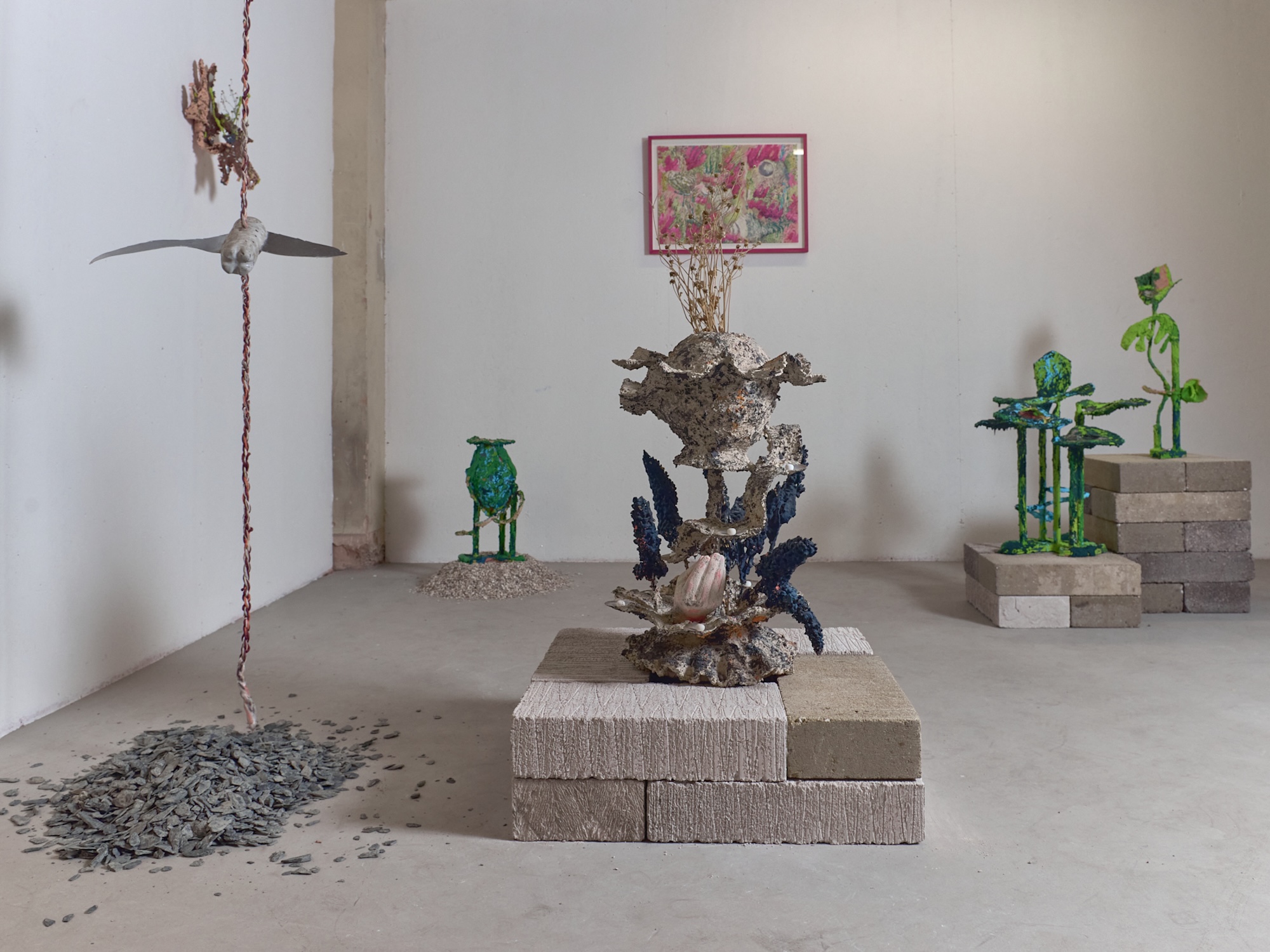 Anna Reading_ Make Do Make Space, Hypha Gallery South Bank
Make Do / Make Space, closing 11th September 2026, Hypha Gallery South Bank
Lunchtime Curator Tour with Nicholas Stavri: 4th September 2026, 12PM–1PM
About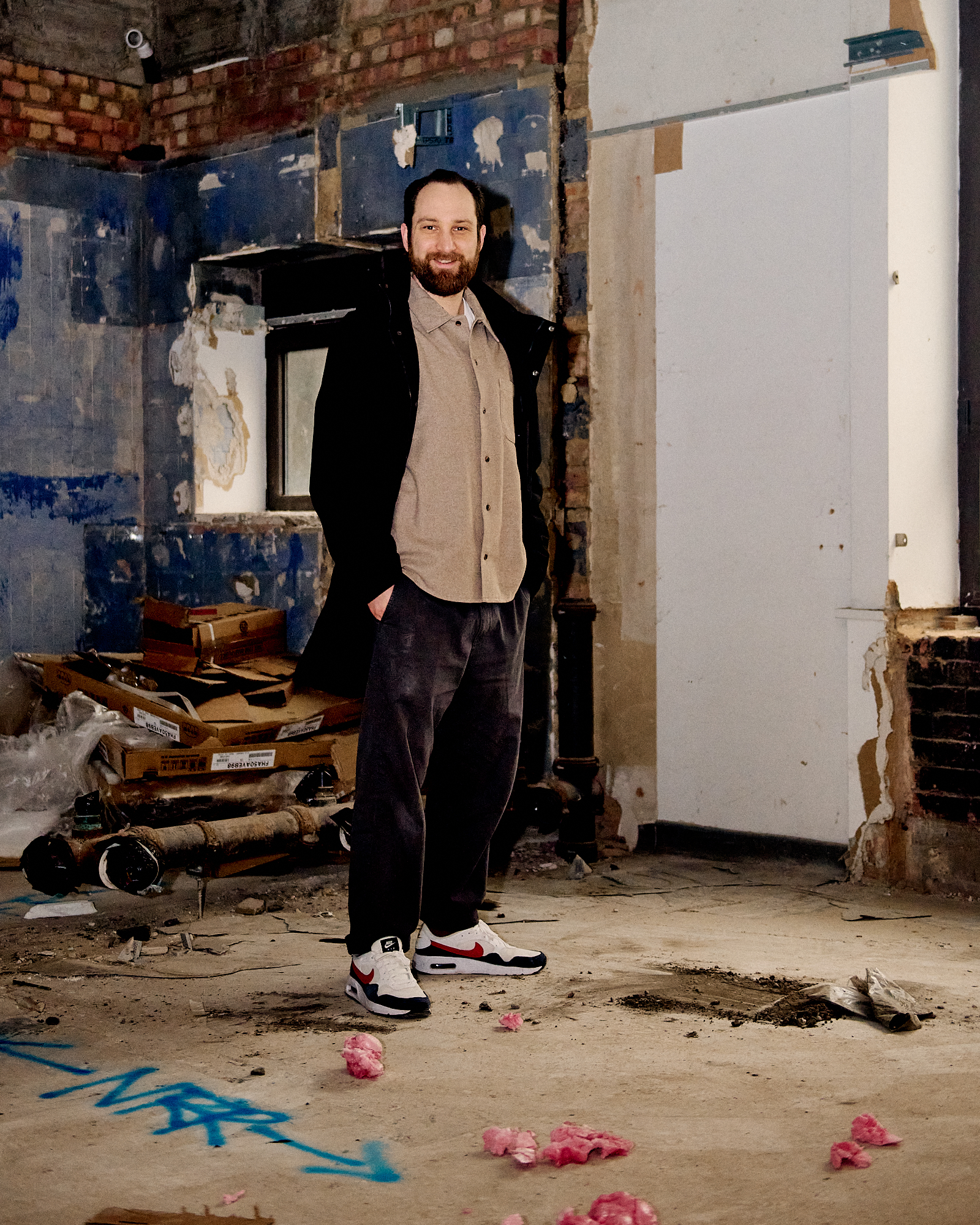 Nicholas Stavri, Photo Carlo Zambon Courtesy Hypha Studios
Nicholas Stavri is a curator, producer and artist mentor supporting emerging artists across the research, presentation and interpretation of their work. He is co-founder of Thorp Stavri, an Advisory Group Member for Hypha Studios, a member of the Convelio Fine Art Advisory Board and a contributor to the Gallery Climate Coalition’s Shipping Subcommittee, where he co-authored the Sustainable Shipping Campaign. @nicholas_stavri
Categories
Tags