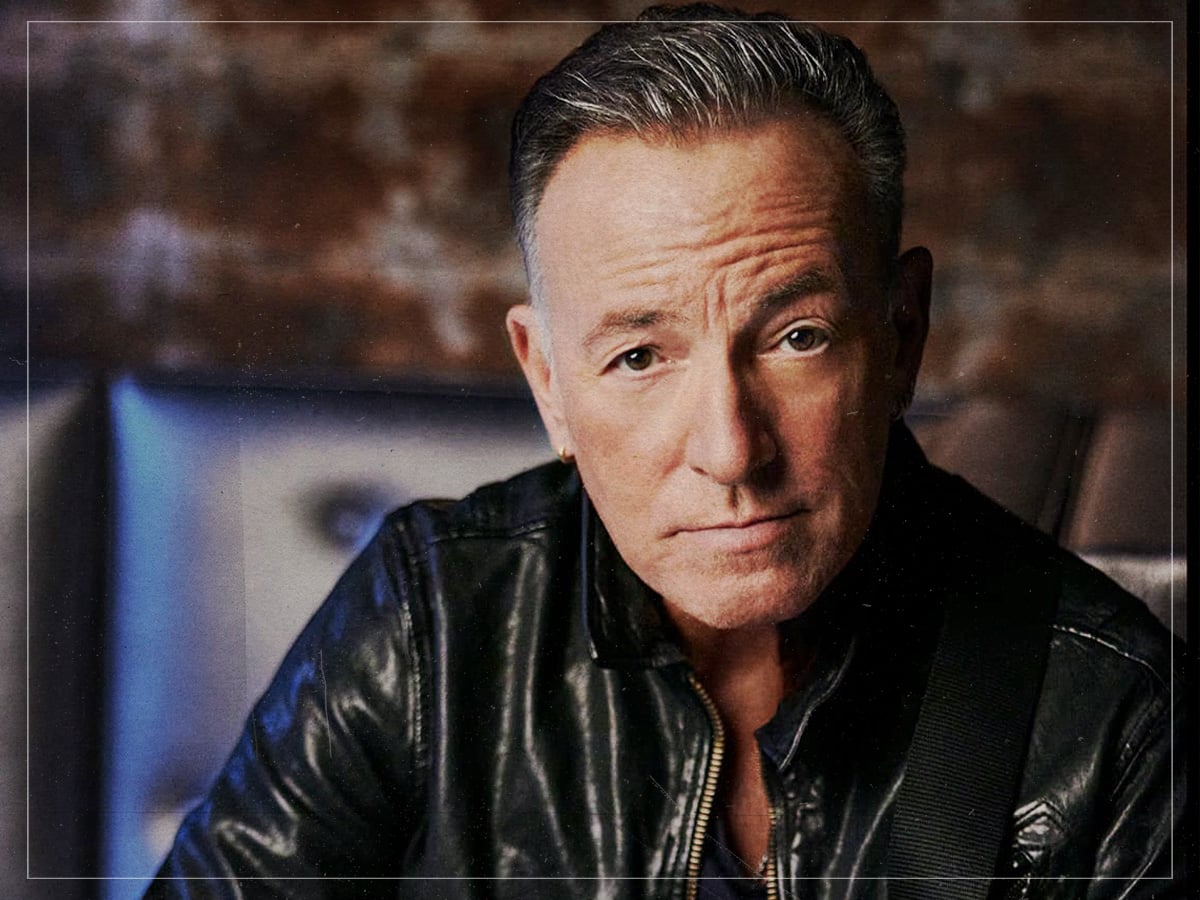
Credit: Far Out / Bruce Springsteen
Sat 29 August 2026 19:30, UK
Bruce Springsteen didn’t get into the music industry like it was some fling.
He was in a passionate love affair with his songwriting, and he was going to spend the rest of his days trying to make tunes that could come anywhere close to the kind of music that he heard on any number of his favourite records. But as much as he loved working on some of the greatest rock and roll songs of all time, he knew that some of the best songs that he ever made didn’t technically need to be strictly from the heroes that he learned about when he was a kid.
That’s not to say that he was going to be stepping outside of his comfort zone on every record or anything like that. ‘The Boss’ didn’t think that he was a musical chameleon in the same way that David Bowie was whenever he made a record, and there were more than a few times when he was proud to wear his influences from everyone from Elvis Presley to Roy Orbison proudly on his sleeve whenever he made a new song. But he was willing to learn what the new school was doing as well.
There aren’t many people from Springsteen’s generation who weren’t thrown for a loop when the punk revolution began, but Springsteen didn’t pretend to be intimidated by what they were doing. These were a bunch of kids that were playing the same kind of music that he knew and loved, but with a little bit more gusto, and he figured that he might as well up his game and try to make songs that measured up to that.
The same could be said about Suicide when he first heard them. Their music had absolutely nothing to do with traditional rock and roll, thanks to their synthesiser-heavy sound, but there were more than a few times where Springsteen was knocked back listening to a song like ‘Frankie Teardrop’. But the elements that were affecting him had more to do with the actual songwriting rather than the harsh noise behind everything.
He liked to keep an open mind as long as the song was good, but like all ageing rock stars from his generation, Springsteen did find his way back to country music after a while. Yes, I know that country can seem like one of the more uncool genres for people who aren’t that used to the genre, but for everyone who is only used to that style of music when listening to people like Morgan Wallen, there’s a whole lot more to explore when listening to the old school of country that everyone from Dolly Parton to Willie Nelson played.
That flavour of country connected with Springsteen’s love for the blues, and he figured that approach would be what made him relevant later down the road, saying, “I became attracted to country music and older blues and folk because they seem to take – bring the same intensity to adult issues and adult problems. And I immediately thought, this is a lifetime job for me, you know? I want to write songs I can sing when I’m at that great, advanced age of 40 years old.”
Further reading: From The Vault
The age of 40 might as well have been ancient to Springsteen back then, but the influence of those records can still be heard in the best songs he made later in his career. No one would have imagined that he could still have something to say years down the road, but the reason why albums like Magic and Wrecking Ball still resonate is because he took the lessons that he heard in those old country and folk records and applied them to what he was doing.
Anyone could have tried making their amplifiers sizzle every single time they made a record, but Springsteen knew life was about more than people willing to play their guitars really loud. It was about making the audience see the person you were underneath that tough exterior, and he has spent his entire life opening himself up to the world whenever he starts strumming away on that acoustic guitar.
