

When the billionaire property developer and Reform UK treasurer Nick Candy sold Chelsea’s Providence House earlier this year for at least £265m, the mansion became the single most expensive residence ever sold in London — and one of the priciest in the world.
The deal was good news for Nick Candy, who is in charge of fundraising for Nigel Farage’s political party. It was good news for Candy’s ex-wife Holly Valance, the former Neighbours actor and singer of the hit song Kiss Kiss, who also owned a stake in the Chelsea mansion. It was also expected to be fantastic news for the UK government, which could bank a massive financial windfall from the stamp duty tax charged on the house’s sale price.
Yet a London Centric investigation in conjunction with Dan Neidle’s Tax Policy Associates has found that the sale was conducted in a way that appears to have reduced the tax bill by £18.5m compared with what might have been expected.
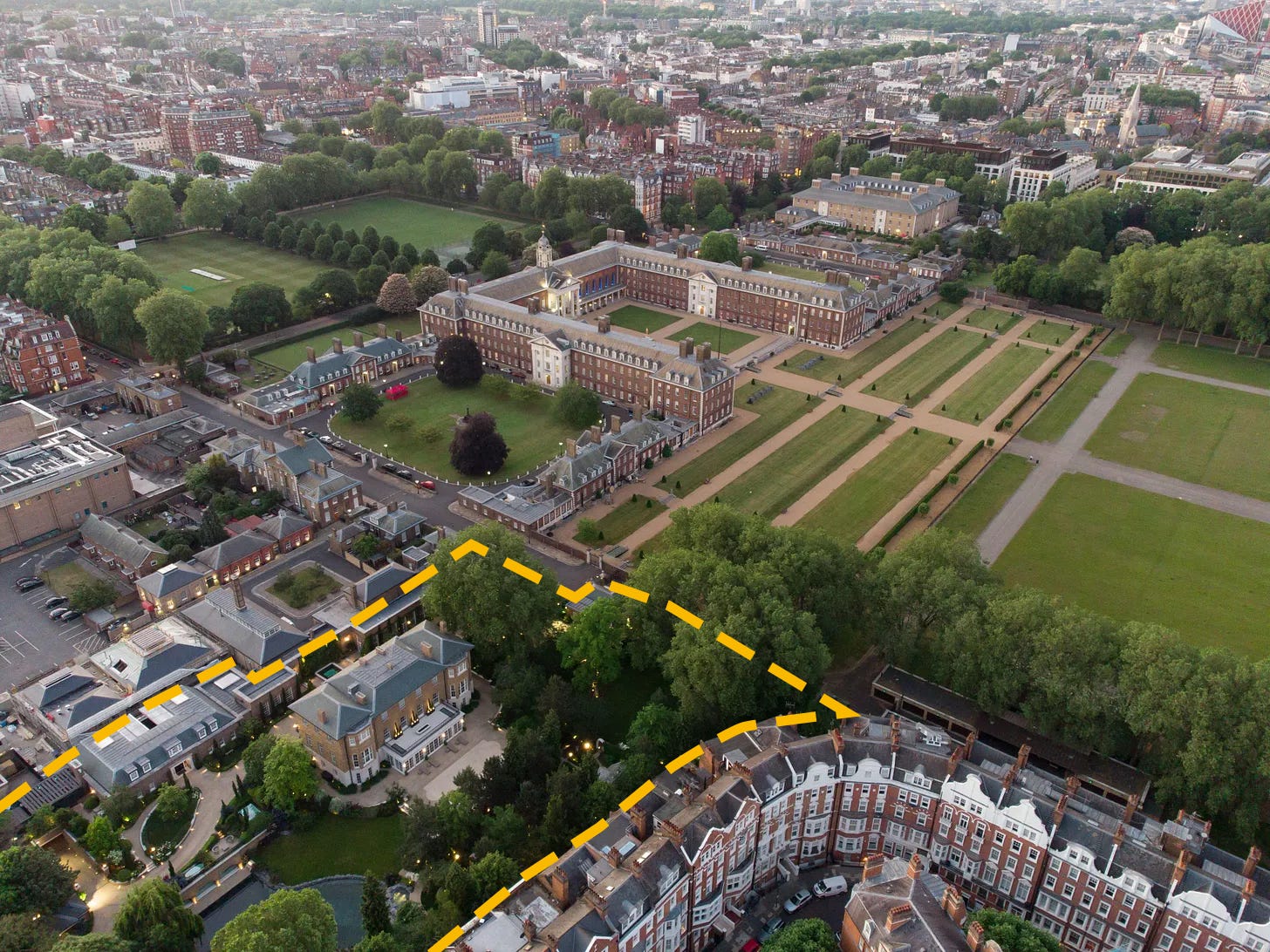 Providence House, inside the dashed yellow line, next to the Royal Hospital Chelsea.
Thanks to the support of our subscribers, we can today shine a light on the inner workings of one of the biggest and most curious property deals in London’s history — and show how the capital’s super-rich might legally make tax law work to their advantage in a way that ordinary house buyers cannot.
Subscribing to London Centric supports independent journalism that holds power to account in the capital. Thank you to everyone who enables us to produce original investigations.
Inside the £265m house with a giant basement and panic room
Built in 1809 in one of London’s most exclusive neighbourhoods, a short walk from the river and the site of the Chelsea Flower Show, the Grade II-listed Providence House sits within huge grounds — said to be the largest private garden in central London after Buckingham Palace. Until 2012 the mansion was called Gordon House and it was used as accommodation for staff working at the Royal Hospital Chelsea, at which point the charity sold it off to fund the refurbishment of its main site.
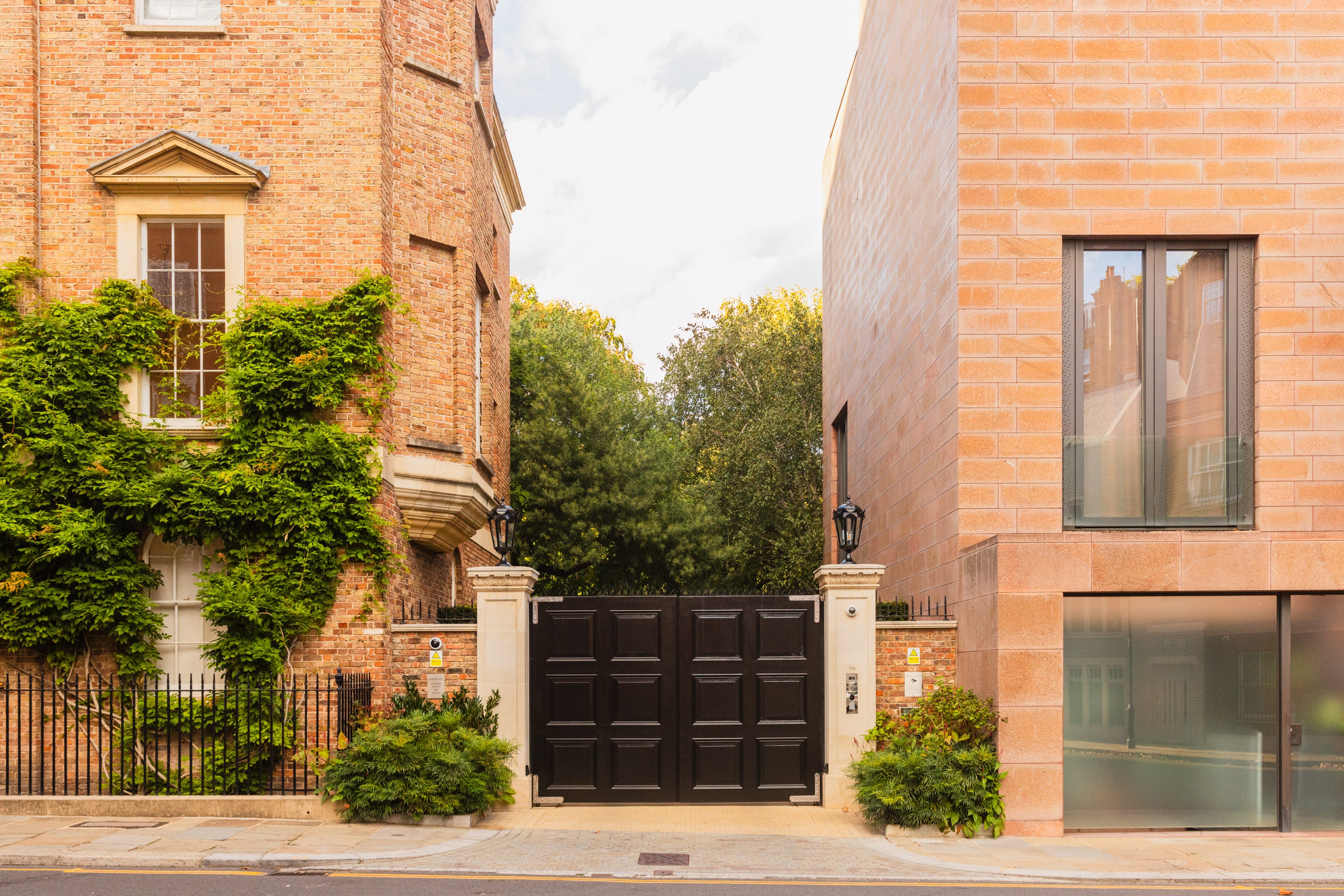 The outer gates providing access to Providence House. Photo: Jennifer Forward-Hayter for London Centric
The building was bought by the Candy Brothers, the creators of the One Hyde Park development, who put it through an enormous rebuild that turned it into one of the capital’s most luxurious houses. A planning application proposed a gigantic basement under the home’s garden, including a steam room, sauna, cold plunge, car lift and plant room. The FT also reported that it has a private cinema with a “Candy bar” pick ’n’ mix station, an underground swimming pool and orangery, as well as a panic room.
In recent weeks the Candys’ design company has been uploading pictures of the house’s interiors to Instagram, showing the enormous scale of the renovation and selling a £250 coffee table book on its interior.
 The sellers: Nick Candy and his ex-wife Holly Valance
After ownership switched between the brothers the house ended up in the possession of a partnership controlled by Nick Candy and his then wife, the pop-star-turned-hard-right-influencer Holly Valance.
With the couple’s divorce underway and Candy shifting his focus from London to Dubai, where the billionaire says he feels safer, it appears a decision was made to discreetly sell the property. The deal was finally made public in April. While the exact sale price is yet to be confirmed, press reports suggest it was at least £265m, more expensive than any other house ever sold in the UK.
Got a story we should look into? Get in touch here via email or WhatsApp.
The buyer, a billionaire British hedge fund boss called Suneil Setiya, whose Quadrature Capital is one of Labour’s biggest financial backers, took possession of a one-of-kind giant 19th century mansion that offers total privacy in the heart of Chelsea. The property, which lurks behind two imposing black gates and is impossible to see from any street, also has extensive new-build guest accommodation.
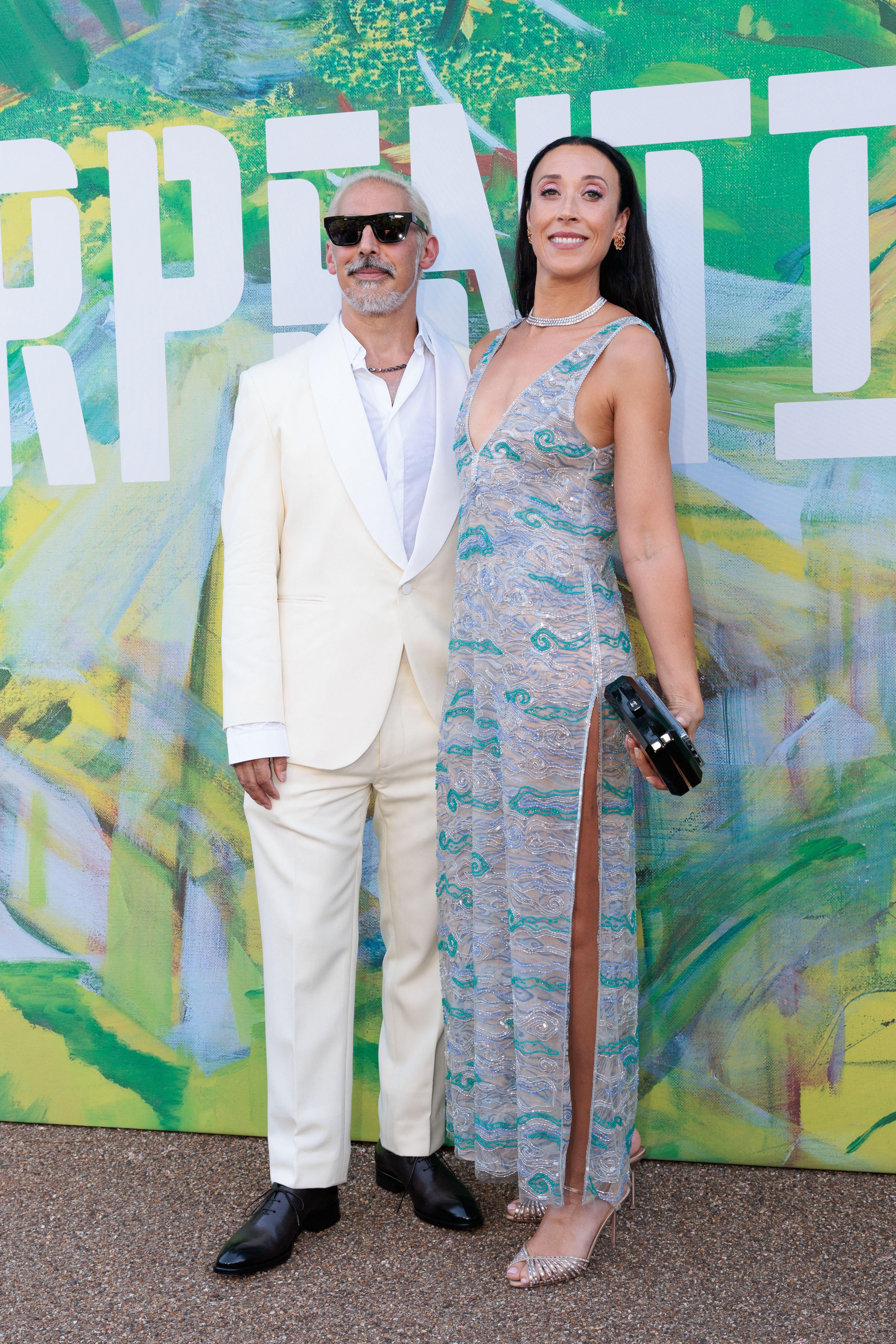 The buyer: Suneil Setiya of Quadrature Capital
It was expected to have been a pricey deal in every sense.
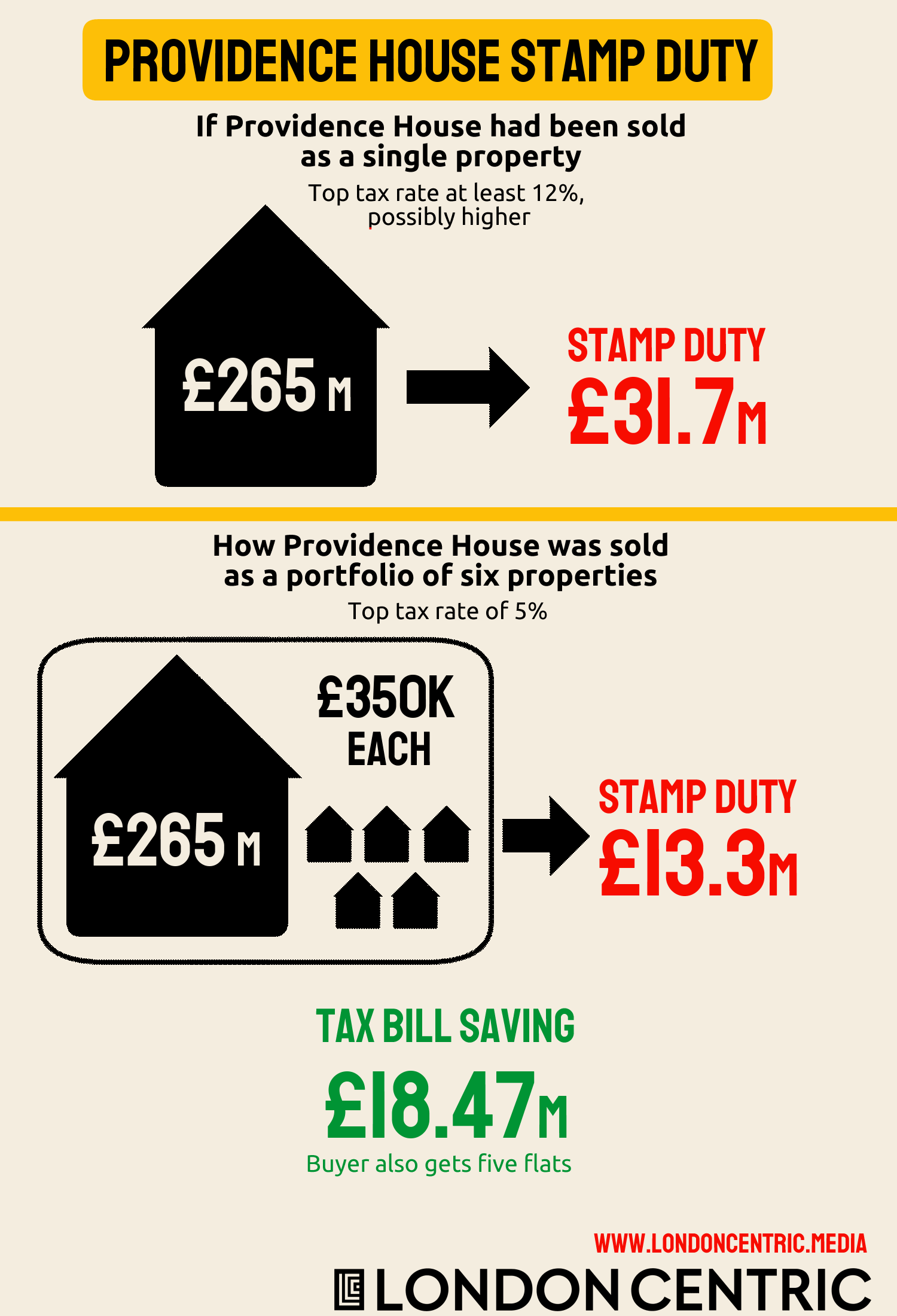
That’s because if you buy a home in England then stamp duty tax on the sale price is charged at a top rate of 12%. It could be even higher if Setiya already owned another property, because people with multiple homes pay more stamp duty.
Given Providence House was reported to have sold for more than £265m, that would have left Setiya with a tax bill of at least £31.7m, payable to the UK government on completion of the deal.
Yet we have discovered Candy didn’t sell London’s most expensive house to Setiya on its own.
Instead, Land Registry records show Candy’s partnership sold a portfolio of six properties to Setiya. This portfolio just happened to contain London’s most expensive house alongside five modest flats, worth around £350,000 each, located off the premises on a nearby street.
When an individual buys six or more homes in one transaction it is automatically treated as a commercial property deal, which is taxed at a much lower top rate of just 5%.
That’s a lower top rate of tax than a normal member of the public would pay if they bought a London home worth over £925,000.
The rule was designed to enable investors to buy an entire block of flats without attracting punitive taxes. Our findings suggest that an unintended consequence is that it could be used to drastically reduce billionaires’ tax bills if they buy London’s most expensive houses in batch purchases alongside much cheaper properties.
By selling Providence House as a package with five modest flats, Candy cut Setiya’s total tax bill from just under £32m to around £13m.
Neidle, a former UK head of tax at law firm Clifford Chance, said: “We think it will be of public interest that the most expensive house in British history was acquired in a way that saved £18.5m of stamp duty.”
Now that London Centric has uncovered this use of the law, it could cause chaos in London’s ultra-high-end property market if others actively seek to abuse the rule — and massively reduce the money earned by the government from elite London property sales.
It’s the property equivalent of a supermarket advertising half-price wine if you buy six bottles at once — only to watch in horror as people purchasing a £5,000 bottle of vintage champagne qualify for the offer by scanning it alongside five bottles of cheap plonk.
Who are the men involved?
Nick Candy and Suneil Setiya are both wildly rich but back rival political parties.
Candy, who previously said he moved to Monaco for tax reasons and described himself as taking money “extremely seriously”, was formerly a major donor to the Conservatives but now has a key role in Nigel Farage’s Reform UK, managing the party’s finances. He has also personally donated £1m to the party.
Setiya was born in Hull before making a fortune in the hedge fund industry and had a relatively low profile until he bought Providence House. His company donated £4m to Labour during the 2024 general election and has prioritised funding for climate change efforts.
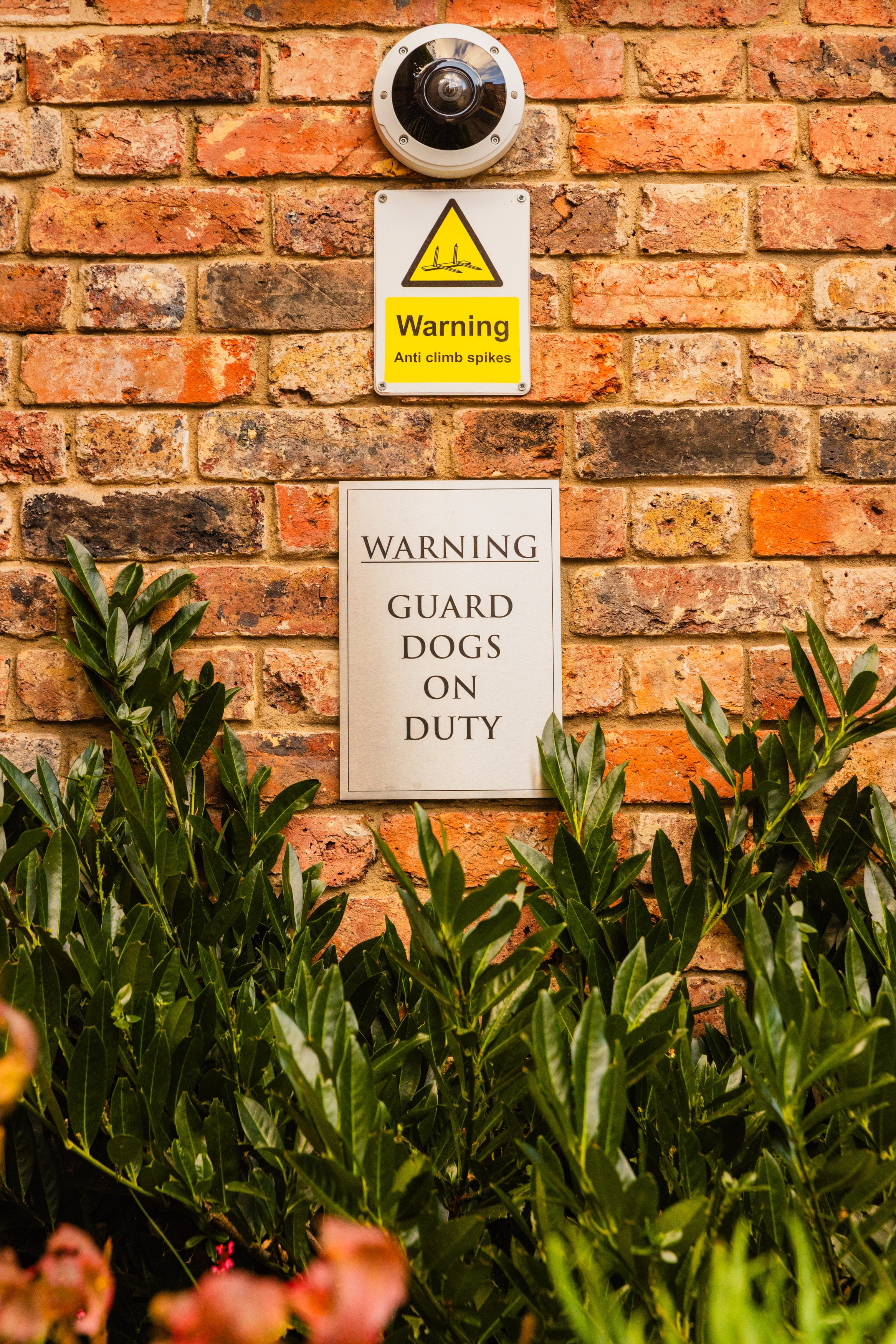 The outer wall of Providence House. Photo: Jennifer Forward-Hayter for London Centric
There is nothing to suggest they broke any laws but Neidle said HMRC might be interested in examining the deal. Additionally, if HMRC were to question the tax arrangement then the responsibility for picking up the tab would land with Setiya, rather than Candy.
London Centric has no way of seeing inside the brains of the two men but we can put questions to them. What we do know is that, according to property records, selling six properties as one bundle had the effect of drastically reducing Setiya’s tax bill.
London Centric asked both men how the arrangement had come about, whether they had discussed what would happen if the tax arrangement was questioned, and whether the lower tax bill meant Setiya was able to pay a higher headline price to Candy and Valance’s partnership.
Setiya declined to comment on the record, although it is understood his position is that Providence House was only ever offered as part of a portfolio of six properties and there was no collusion to reduce a tax bill.
Candy did not respond to our requests for comment.
What do the residents make of it?
When London Centric knocked on the doors of the five cheaper flats on Embankment Gardens, no one was at home at any of the properties.
Some of the flats were only bought shortly before they were sold on to Setiya. Despite Candy’s billionaire status, his partnership used expensive short-term loans to fund the purchase of the final two flats.
As Neidle put it: “Why is a billionaire buying small flats with bridging finance? We don’t know the answer to that.”
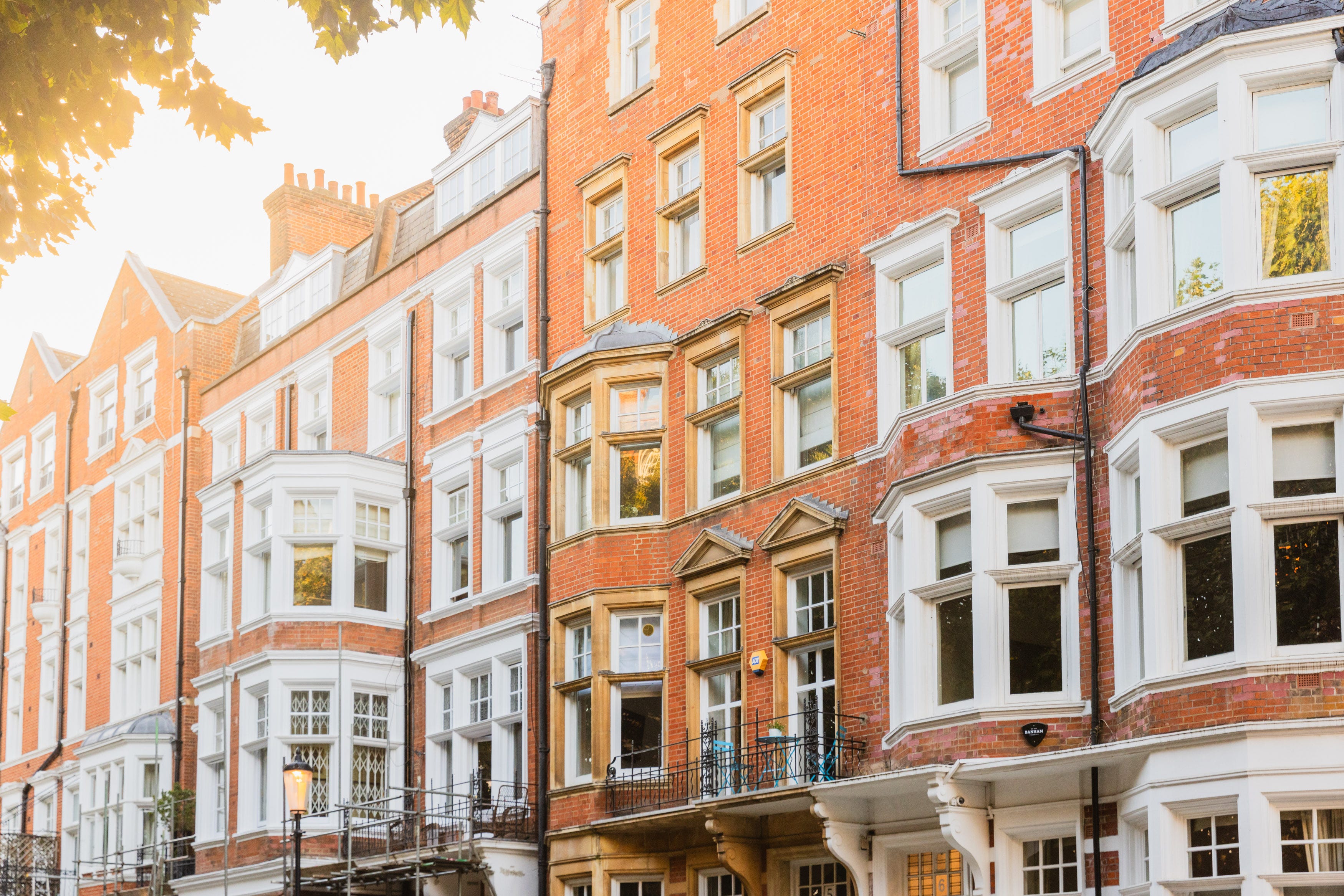 The building containing the additional flats on Embankment Gardens. Photo: Jennifer Forward-Hayter for London Centric
Neighbours in the building told London Centric there was annoyance at Candy’s rapid accumulation of flats in the block, which local speculation said was to be used for “servants” working at Providence House.
“They were buying up everything as it became available,” said one individual with knowledge of the properties. “One or two of the residents have been rather put out by it. They think it’s lowering the tone of their building.”
Another local said some of the flats had been gutted and modernised “in a rush” last year, claiming Nick Candy had been seen on site during the process. No one in the block appeared aware that the flats were now owned by Setiya.
Neidle concluded that in his opinion it is “reasonably clear” that the sale of Providence House took place in a manner that side-stepped £18.5m of stamp duty and that our investigation has highlighted a loophole that politicians and HMRC will want closed at an early opportunity.
The tax expert continued: “The timing is telling: two of the flats were bought in the thirteen months before the sale, on expensive short-term finance, at prices that are rounding errors against £265m. And the buying stopped at exactly six dwellings – exactly the number the statutory rule requires. So we can’t discount the possibility that this was just a very happy accident for Mr Candy. But in our experience, such accidents tend not to happen when large amounts of money are at stake.”