

Credit: Far Out / Karlis Reimanis
Thu 1 October 2026 17:35, UK
When experiencing a surge in the chemical, dopamine enhances the sense of pleasure and reward in the brain, which, in more understandable terms, means that we feel happy or satisfied when listening to joyful or emotional songs, and it usually reaches its peak during climactic moments like catchy choruses or segments with intensified anticipation.
So, what is classic rock’s happiest track?
 Credit: Far Out / United Artists / Metro-Goldwyn-Mayer Studios Inc.
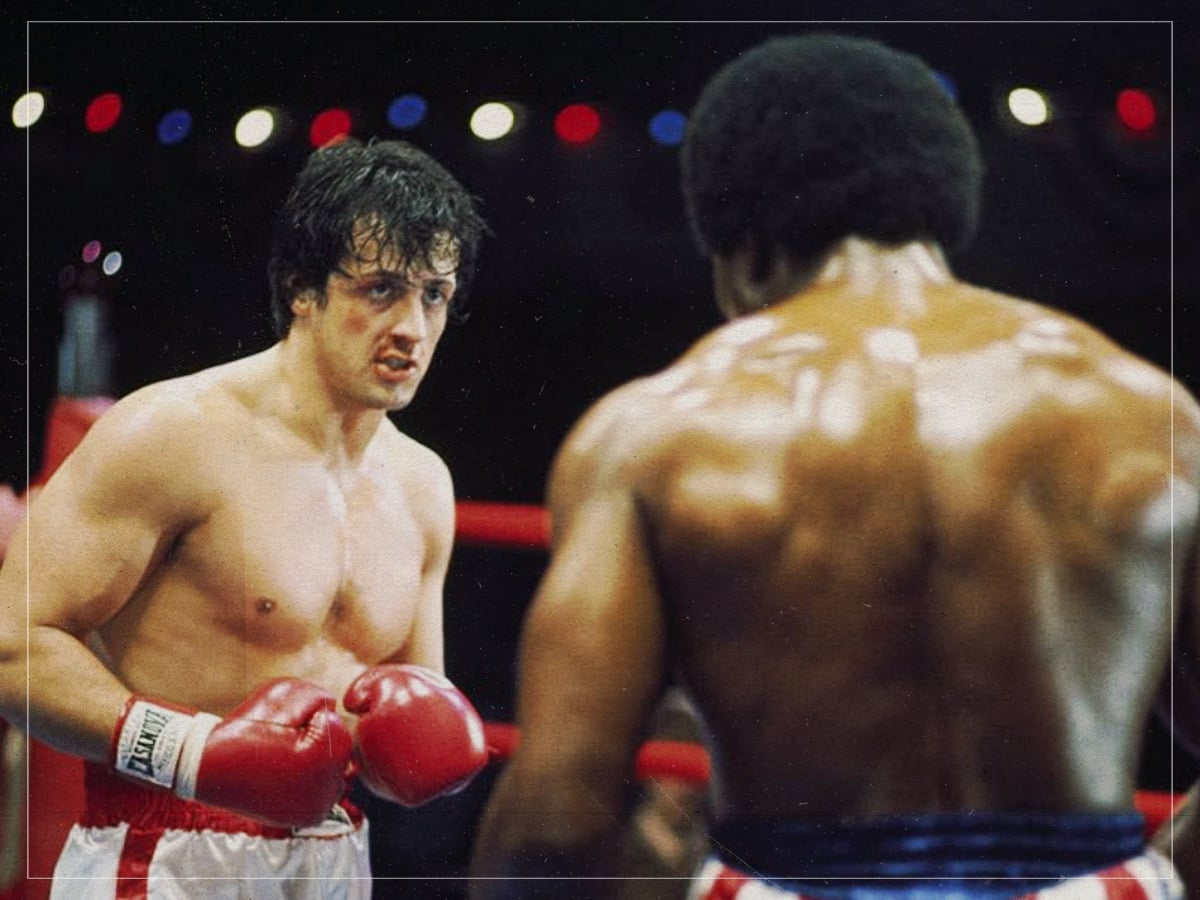
That’s the beauty of it, really. ‘Eye of the Tiger’ doesn’t pretend to be clever. There’s no deep metaphor hiding in the chorus, no poetic flourish to decode. It says exactly what it means, and it does so with enough swagger to make even the most cynical listener clench their fists a little. It’s the musical equivalent of doing push-ups in your living room because you watched five minutes of Rocky III.
It also helps that the song feels like motion. There’s a relentlessness to that riff – tight, repetitive, never letting up – that mirrors the very idea of pushing through. It’s not just upbeat; it’s insistent. The dopamine hit doesn’t come from surprise or innovation. It comes from knowing exactly what’s coming, and wanting it anyway… much like the film it soundtracked.
As it happens, the anthem was also inspired by yet another rousing effort. As Jim Peterik told Songfacts, regarding the moment they got commissioned to work on the movie, “When we got the initial rough cut of the movie, the scene that ‘Eye Of The Tiger’ appears in was cut to ‘Another One Bites The Dust’ by Queen.”
It proved fairly intimidating, adding, “Frankie and I are watching this, the punches are being thrown, and we’re going, ‘Holy crap, this is working like a charm.’ We called Stallone and said, ‘Why aren’t you using that?’ He goes, ‘Well, we can’t get the publishing rights to it.’ Frankie and I looked at each other and went, ‘Man, this is going to be tough to beat.’ We had the spirit of, ‘We’ve got to try to top this’.”
In some ways, that drove the band to study formulas in some manner, and it paid off. “I started doing that now-famous dead string guitar riff and started slashing those chords to the punches we saw on the screen,” Peterik recalled, “and the whole song took shape in the next three days.” It proved an uplifting triumph.
ADD AS A PREFERRED SOURCE ON GOOGLE  The Far Out Classic Rock Newsletter
All the latest Classic Rock content from the independent voice of culture.
Straight to your inbox.