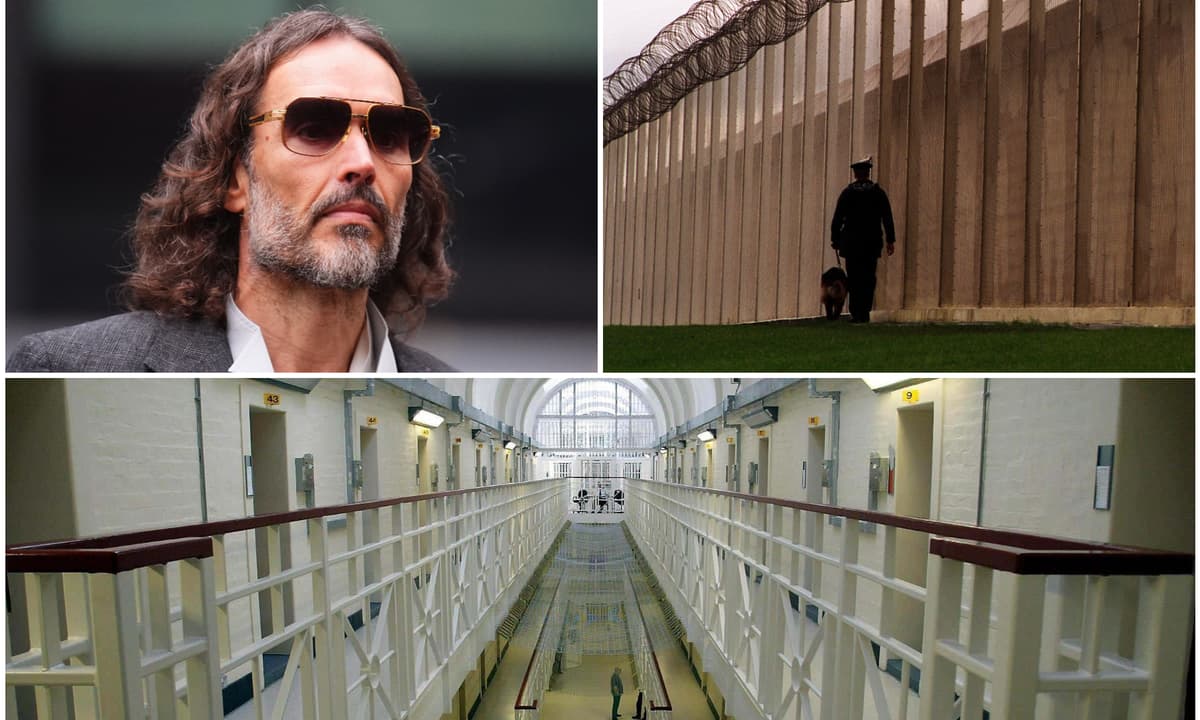

Russell Brand was sent to HMP Wandsworth after being sentenced to ten years and six months in jail for rape and three sexual assaults.
The Category A northern prison has chillingly been called the “Monsters’ Mansion” after the number of notorious murderers and sex offenders locked up there over the years, The Sun reports.

Former Lostprophets singer Ian Watkins
PA Media
They were among five prisoners who were allegedly killed or took their own life at the jail in a year.
Despite the shocking death toll, Brand, 51, may be moved to Wakefield from Category B HMP Wandsworth, as staff there are better equipped to deal with high-profile inmates who could be at risk of attack.
“Brand is being risk-assessed for a move,” a source told the newspaper.
“And Wakefield is the most likely place.”

Killer: Roy Whiting murdered Sarah Payne in 2000
Some of the most dangerous inmates have been moved out of the prison.

Levi Bellfield, serving two whole-life orders, is believed to have spent time in HMP Wakefield
PA Media
Following the death of Watkins, some dangerous prisoners were moved to other jails.
“The population had previously been integrated, with prisoners convicted of sexual offences accommodated alongside those convicted of other serious offences,” says the report published in June.
“Nearly all prisoners at Wakefield were now deemed vulnerable due to their offence or circumstances.”
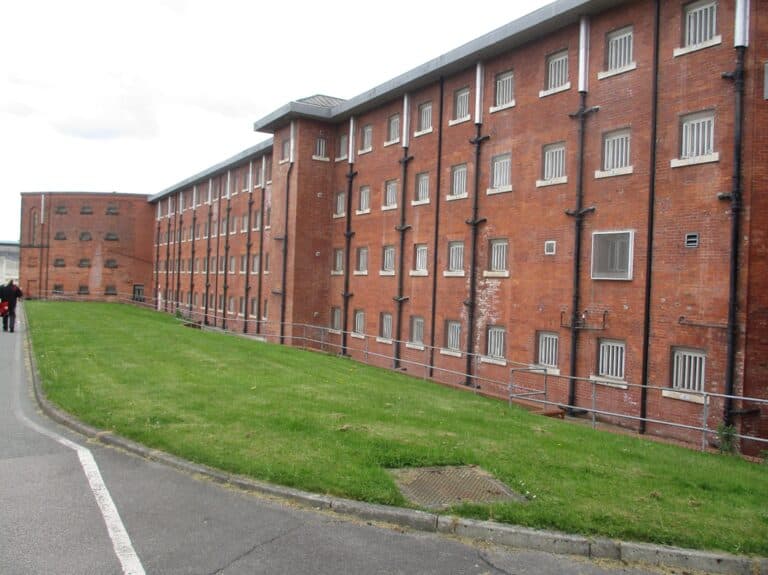
HMP Wakefield
HMP Wakefield
Prisoner-on-prisoner violence
The number of self-isolating prisoners had fallen from 12 to one.
Incidents of prisoner‑on‑prisoner violence had reduced by 68%, the report added.
“Almost all prisoners who had lived in Wakefield before these changes told us they felt much safer,” it stated.
Two wings, C and D, were designated for prisoners deemed most at risk.
Prisoners now exercise in wing-based groups rather than mixed cohorts, and cell doors are locked during communal activities. The changes have enabled staff to supervise prisoners “more effectively”.

An exercise yard at HMP Wakefield
HMIP
Inmates were offered about one hour of exercise each day, an increase from 30 minutes.
About twice as many prisoners were now using the yards, said the inspectors who stressed that “overall uptake of exercise remained too low”.
Inspectors found 45% of inmates locked in their cells, a “marginal improvement” from 51% the previous year.
Full-time working prisoners could receive up to 8.5 hours out of their cells, half-time workers up to 5.5 hours, those unemployed or not engaged in activities just over two hours a day. The average on Saturday and Sunday was 1.5 hours.
Showers at HMP Wakefield
HMIP
Showers, cells and communal areas
There were “tangible improvements” in accommodation and communal areas, including repairing washing machines.
Showers were cleaner but remained in poor condition, with several not working, and damaged flooring and inadequate ventilation.
Inmates waited up to 11 weeks to see a GP and 110 patients were waiting up to 35 weeks for a dental appointment.
Planned prison escorts for inmates to hospital had been cut by two a week and there had been breaches of the NHS target of two-week waits for urgent referrals such as potential cancer assessments.

Inside HMP Wakefield
PA
Inmates waited “far too long” for a transfer to specialist mental health beds under the Mental Health Act. Two of them had been waiting for more than 500 and 300 days respectively.
The report said: “Conflicting opinions on the levels of security required for these patients on arrival at NHS units effectively led to the NHS failing them.”
Most prisoners were in education, training and work for at least half the week.