
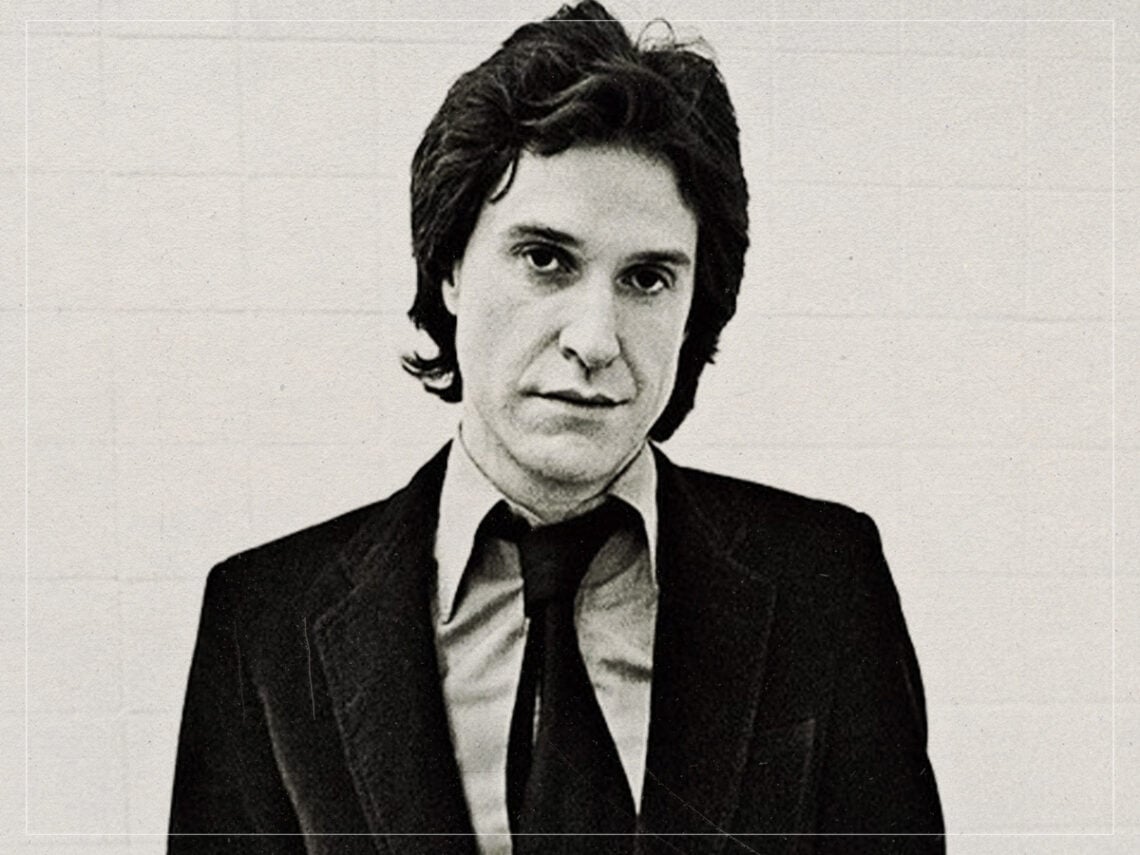
Credit: Far Out / Ray Davies
November 15th, 2026 · 1:00pm GMT
The pages of musical history are littered with heavyweight British artists who never quite managed to ‘break America’, but The Kinks are perhaps one of the strangest examples.
They were, after all, in the right place at the right time to take advantage of the British invasion period, but their plans for North American dominance didn’t quite come to fruition. Looking at some of the British groups who began to make waves in the United States circa 1964, following The Beatles’ fateful first trip across the Atlantic, it seemed as though English accents and wild haircuts were all you needed to break into the US pop charts.
Even so, American audiences never really took to the stylings of Ray Davies and the gang, even though tracks like ‘You Really Got Me’ and ‘All Day and All of the Night’ were dominating the airwaves both in the UK and across mainland Europe. A disastrous 1965 tour also led to a four-year ban on performing there.
By the time the ban lifted, Davies seemed to lose interest in appealing to the States entirely. Beloved tracks like ‘Waterloo Sunset’ and LPs like The Village Green Preservation Society or Arthur are inseparable from the ideas of Englishness that the songwriter was exploring at the time. Masterpieces they may be, but they don’t boast enough in the way of universality to appeal to mass audiences in the US, given the cultural disparities between the two nations.
That is not to say, however, that The Kinks were entirely ignored in America. Over the course of their extensive tenure, the group had a few minor hits in the States – ‘Lola’, for instance, broke into the top ten back in 1971. Bizarrely, though, their biggest-selling hit in the US didn’t arrive until 1982, long after the band had (arguably) reached their creative peak.
Released in support of State of Confusion, ‘Come Dancing’ was certainly an unlikely hit for the band – being, as it was, inspired by the death of Davies’ older sister at a dance hall, and soaked in the kitchen sink realism of the band’s North London upbringing. Crucially, though, ‘Come Dancing’ came equipped with a music video, which is how it became a major hit in the US.
“When MTV came out,” Ray Davies recalled in a 1998 interview, “it broke the ‘Come Dancing’ single,s and it’s our biggest-selling single ever. The irony is it’s our most British-sounding song. It’s the biggest American single we’ve had.” Seemingly, the juxtaposition between the song’s content and its audience was not lost on the songwriter. “That was a big impact – MTV and video and obviously the digital technology taking over,” he added.
Further reading: From The Vault
Such was the power of MTV in America at the time that ‘Come Dancing’ fared much better in the US singles charts than its native UK, peaking at number six in the Billboard standings, versus a still-commendable 12 back in Blighty.
Rather strangely, then, The Kinks managed to, in a sense, ‘break America’, nearly two decades on from the British invasion when, by rights, they should have become as big as any of the other British outfits crossing the Atlantic. Come dancing, indeed. America really took its time accepting the invitation.
