Credit: Far Out / ©2025ParadisePicturesLtd
November 20th, 2026 · 10:00pm GMT
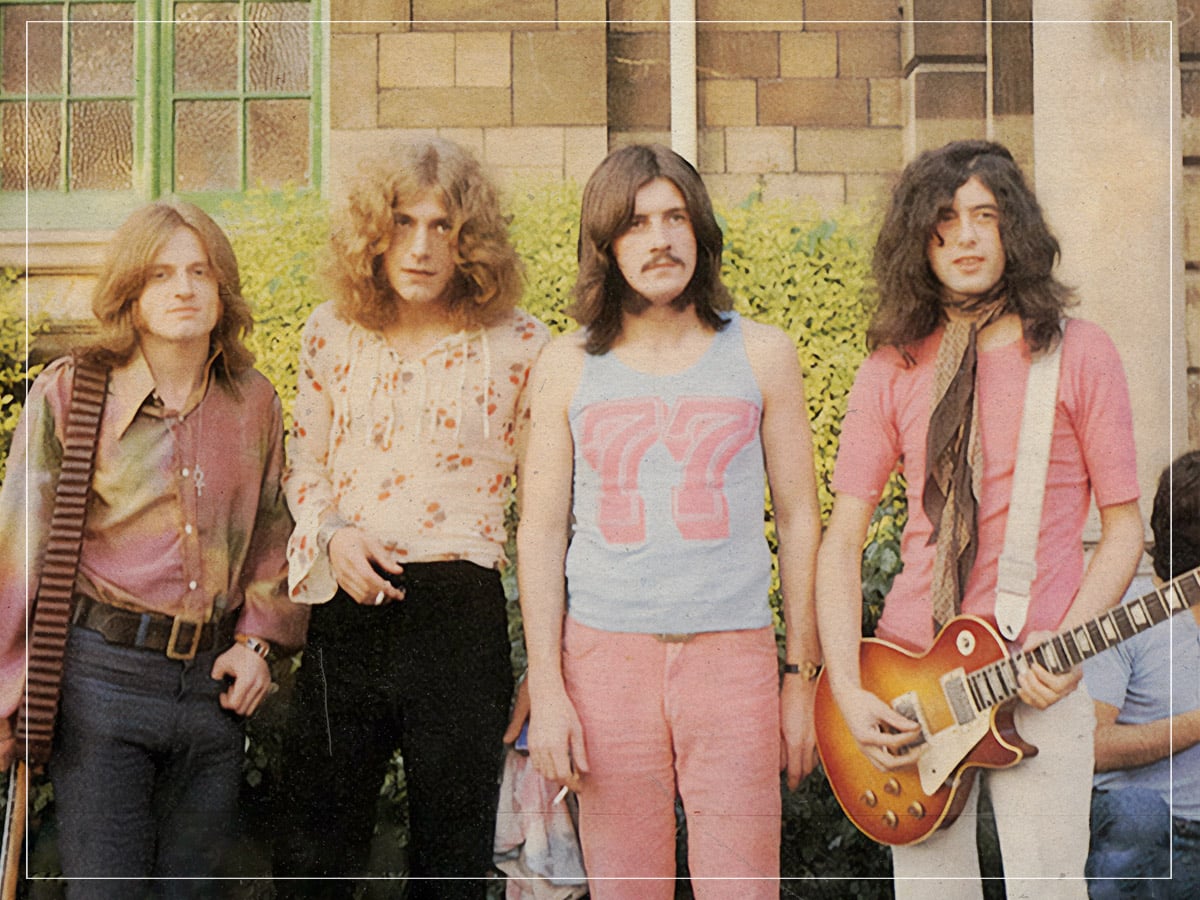
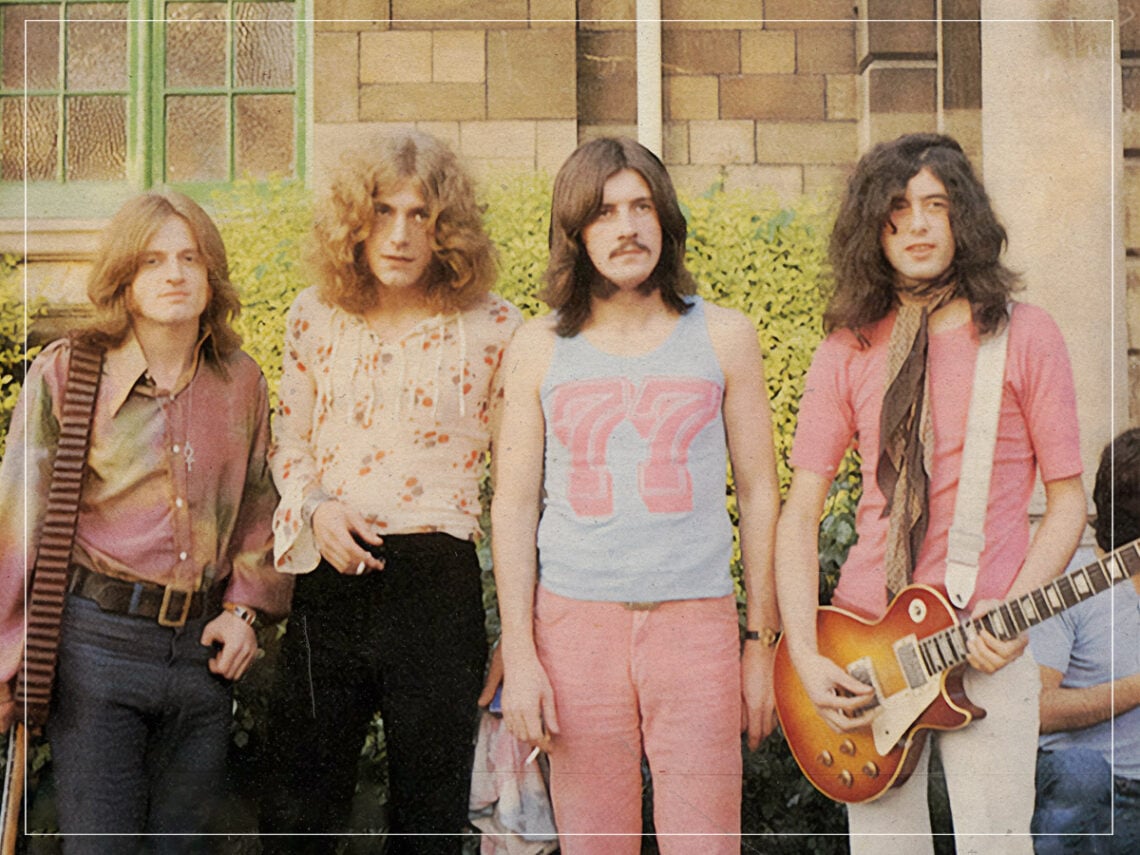
A lot of people don’t realise just how quickly Led Zeppelin’s rise to fame was, for it really was that Jimmy Page was looking for new band members following the split of The Yardbirds, and he found them in the form of John Paul Jones, Robert Plant and John Bonham.
Granted, actually finding the right band members who would make up this rock band was a bit of an ordeal, but once they were together, to say that Led Zeppelin hit the ground running would be the understatement of the century.
After their very first jam, the band knew that they were on to something special, and within a couple of months they were jetting off to Scandinavia to fulfil tour dates that The Yardbirds no longer could. There was a connection between the band members, and that resonated when they played live together, steadily trickling into the work that they did together when in the studio.
Of course, as is the case in all creative endeavours, relationships are eventually going to be put under strain, and Led Zeppelin were no different. Being the biggest band in the world, touring constantly, and forever having record labels breathing down your neck asking for another album can come with a heap of pressure. On top of that, just because you’re in a rock band doesn’t mean your personal life comes to a standstill; if anything, the emotions and relationships within your personal life are tried and tested more than ever.
Plant could attest to this in 1976, when he was struggling with being a part of Led Zeppelin. Not to mention, he was in a cast following a car accident and couldn’t sing as well as he usually could. He was still Robert Plant, though, so of course he sounded good, but he wasn’t capable of his full potential. All in all, it made recording the band’s album Presence a real struggle for the frontman.
“The whole of that album, Presence, is absolutely wracked with pain,” he admitted when he was interviewed by The Guardian. “Plus, the fraternity of the band at the time was stretched to breaking point.”
When it came to writing the album, the unity that had been (ironically) present during the band’s other albums seemed to have gone astray. If you’ve ever listened to the record and thought that it sounded particularly guitar-heavy (even more so than other Zeppelin offerings), it’s because Page was essentially left to write the whole thing on his own.
Further reading: From The Vault
On top of all that, they were under incredibly strict time constraints to get the album finished. Page felt isolated. The writing, the recording, the long hours all led to the guitarist feeling as though he was pushing a boulder up a hill with little to no respite. You can hear that isolation throughout the entire album, with how much unrelenting guitar there is on the whole thing. However, Page himself said his state of mind can be summed up by one song and one song only, and that’s the melancholic number ‘Tea for One’.
“We were also under incredible deadline pressure to finish the record. We did the whole thing in 18 days. I was working an average of 18 to 20 hours a day,” he recalled.
Concluding, “It was also gruelling because nobody else really came up with song ideas. It was really up to me to come up with all the riffs, which is probably why Presence is so guitar-heavy. But I don’t blame anybody. We were all kind of down. We had just finished a tour; we were non-resident, and Robert was in a cast, so I think everybody was a little homesick. Our attitude was summed up in the lyrics on ‘Tea for One’.”
ADD AS A PREFERRED SOURCE ON GOOGLE  The Far Out Led Zeppelin Newsletter
All the latest stories about Led Zeppelin from the independent voice of culture.
Straight to your inbox.