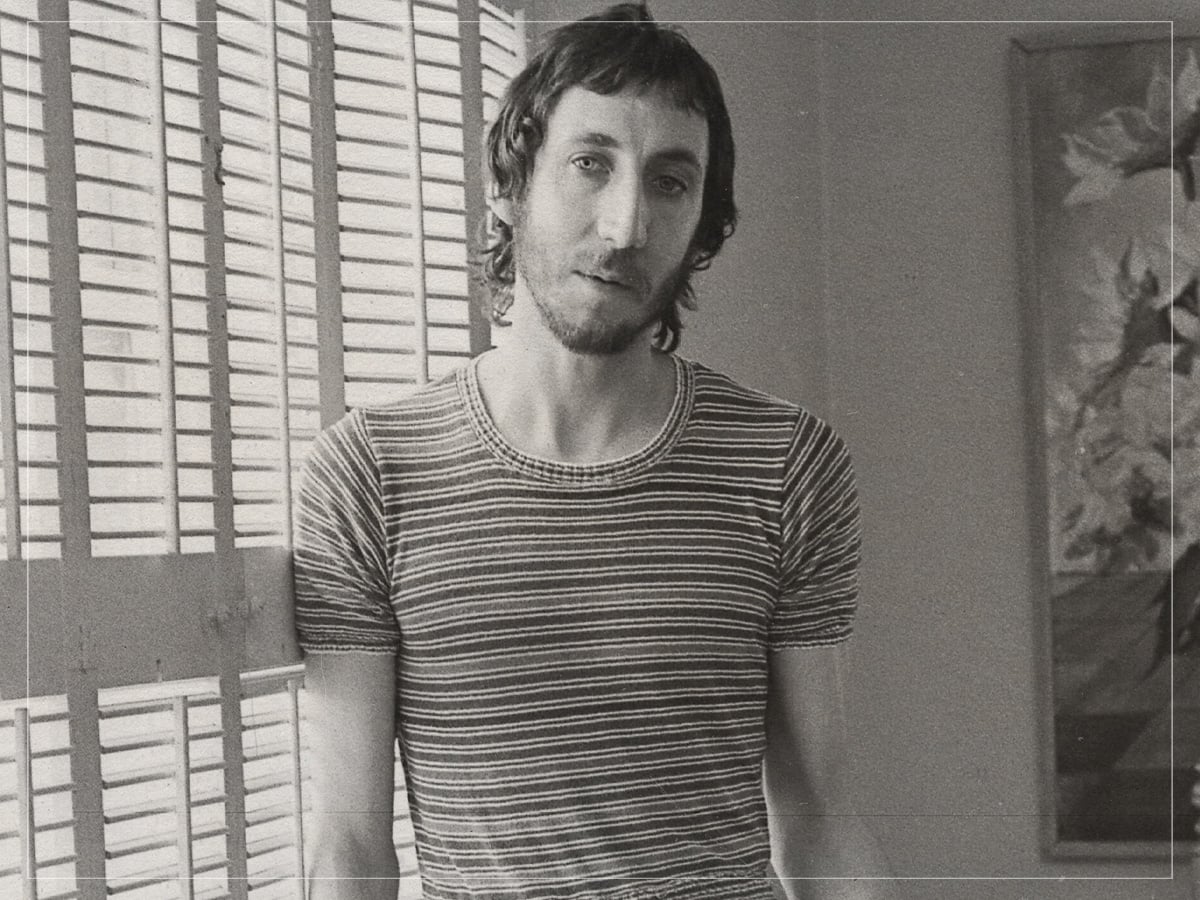
Credit: Far Out / Harry Chase / UCLA Library
November 23rd, 2026 · 9:00am GMT
There’s no denying that during their heyday, The Who were one of the greatest rock bands in the world. If you isolate the period when they were at their peak, they remain an example of one of the finest to have ever graced the world of rock and roll.
The thing is, that high can be tough to maintain for the duration of an entire career. While some bands manage to keep a level of consistency going for decades, others have to accept that their time at the top might come to an end much earlier.
In the case of The Who, they had arguably already begun their slump around the time they were recording their 1975 album, The Who By Numbers, with principal songwriter Pete Townshend admitting that he was suffering from an extreme case of writer’s block around this time, having offered up all of his finest material for the string of epic albums they’d released immediately prior.
However, after the passing of drummer Keith Moon in 1978, the rot seriously began to set in, and their recruitment of former Small Faces drummer Kenney Jones didn’t seem to help them recover. Their 1981 album Face Dances was their worst effort to date. For their follow-up, they had to see if they could regain some of the appeal they’d once had and aim to reinvent themselves, but unfortunately, the resulting album, It’s Hard, turned out to be an even bigger disappointment.
Townshend declared in an interview at the University of London in 2024 that the inspiration for It’s Hard came from having witnessed a band completely upstage them on multiple occasions over the course of a tour in the early part of 1982.
“When we did gigs with The Clash supporting us, it was quite clear that The Clash was a better band than we were by that time,” he explained, noting how the multifaceted punk act had surged ahead of them in terms of offering something creative and engaging.
“We still did a good job but we weren’t new, we weren’t fresh,” Townshend continued, before highlighting the major differences between them and The Clash. “We weren’t angry, we weren’t up to make changes. So it seemed then, that what actually happened was that I’ve lost my mandate, my script, my idea of what to do.”
Further reading: From The Vault
In an act of desperation, Townshend said that he repeatedly asked the other members of the band what they would be happy for him to write them songs about, to a particularly muted response. “I ended up writing a bunch of songs that are now considered ‘The Who’s worst album’. So they weren’t a very good audience to write for,” he laughed.
It’s perhaps one of the saddest ways a classic rock band has bowed out, but you also can’t fault them for wanting to have a go. While The Who have reformed on two separate occasions in the 21st century to release albums of new material, it’s fair to say that they never truly recovered from the first slump they experienced after their spell of dominance in the late 1960s and early 1970s. Ironically, while The Clash had unwittingly shaken The Who’s confidence, 1982 would be the year that The Clash began to fall apart too.
ADD AS A PREFERRED SOURCE ON GOOGLE  The Far Out Classic Rock Newsletter
All the latest Classic Rock content from the independent voice of culture.
Straight to your inbox.