

Want to bookmark your favourite articles and stories to read or reference later? Start your Independent Membership today.
Already a member?
Log in
Over the last two weeks, the most concerning thing for the All Blacks has not been the results but the manner, and the mana. A first loss to Wales in 73 years had brought promises of a strong reaction; a listless, lifeless performance in a record defeat to England was anything but. It is never a good sign when a union is having to bat away questions about a head coach’s future within 12 months of sacking the last one – New Zealand Rugby (NZR) are unequivocal in their backing of Dave Rennie but it speaks to the difficult scenario in which these weary tourists find themselves.
“This is probably the most difficult period,” Jordie Barrett, confronting the questions head on this week, said as he reflected on his time as an All Black. “The hard thing is it’s not for a lack of trying, there’s so many boys and women who genuinely care and we’re trying our hardest. But unfortunately sometimes that is not enough.
“We need to be better with our plans, our execution and hopefully that starts to give us better results. We are the ones who put ourselves in this position, so we have to get ourselves out of it.”
 New Zealand suffered a record loss to England at Twickenham (PA)
All this for a side that was one bonus point away from playing for a trophy on the Twickenham turf this weekend. But these are the high standards to which the All Blacks hold themselves; two defeats in succession really can count as something resembling a crisis. Lose this weekend against England again and the noise will only intensify.
Barrett and the rest of the squad have refused to use their gruelling year as an excuse but clearly there is physical, mental and – after the passing of a teammate in security chief Logan Cadwallader on tour – emotional fatigue being felt. It always looked a uniquely arduous itinerary for New Zealand in 2026, with the inaugural Rugby’s Greatest Rivalry tour featuring four huge Tests against the Springboks and four more tour matches. No wonder that the attrition rate is high: Will Jordan has been sent home having looked little more than half-fit in the first England meeting, while stand-in skipper Codie Taylor has a tight calf in need of assessment. There will be plenty of other sore sinews.
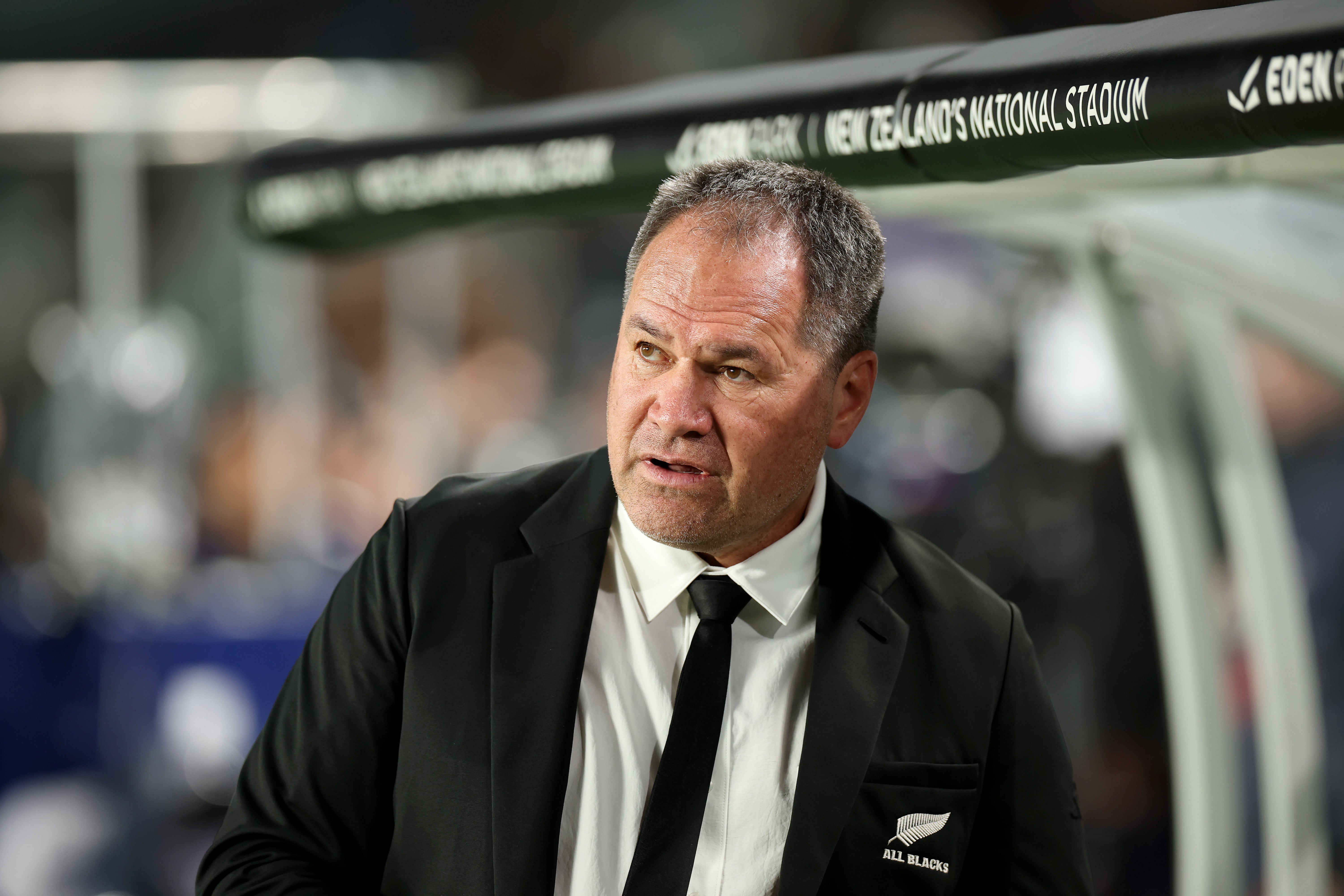 Dave Rennie has been given strong back by NZ Rugby (Getty)
The worry, though, is that this may not be a total one-off. Scheduling pressures ease somewhat in 2027 but New Zealand will still play a full Rugby Championship ahead of the World Cup, plus an Anzac Day encounter with Australia and at least one warm-up against Scotland. The goal, obviously, will be to peak for the major tournament but a demanding rugby public rightly asks that the All Blacks are always at their best – which can be difficult with the high-risk, high-octane rugby that Rennie desires.
Senior figures within New Zealand rugby would suggest, too, that opposition sides tend to raise their game for their meetings with men’s rugby’s traditional powerhouse. The commercial demands for a sporting side as marketable as any are a consideration, too; it is not just on the field where pressures for time and energy can come.
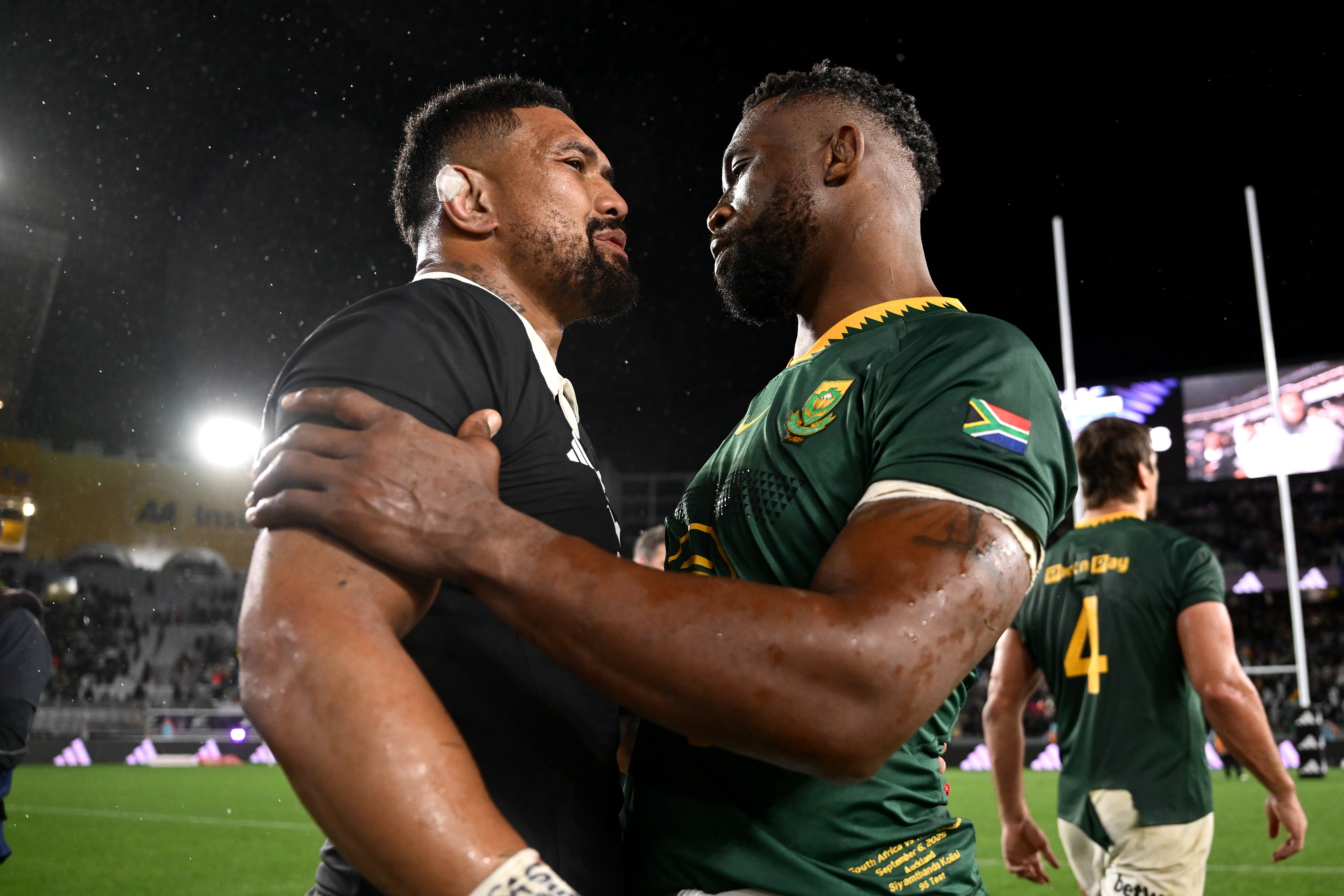 A four-Test series with South Africa placed huge demands on the All Blacks (Getty)
All of that will be considered in a post-tour review, with recently-returned performance chief Don Tricker said to be likely to play a key role. Since leaving a similar role in 2018, Tricker has spent the last eight years with the San Diego Padres in Major League Baseball – it is hoped that background is beneficial at an intriguing time for NZR, with plenty to consider behind the scenes.
The union’s financial challenges are well detailed at this stage, with losses of about £45m between 2024 and 2028 forecast in a report leaked to media in New Zealand. Those are not helped by the fact that NZR does not own any of its stadiums. It is understood that holding an All Blacks Test in the United States, for example, can be twice as valuable as hosting a game on home soil. But how do you then engage your public? Just four of 13 Tests and 17 total games in 2026 were played in New Zealand. It is not always easy to translate the strength of the All Blacks brand to commercial returns in what is, compared to other rugby-playing nations, a relatively small global economy.
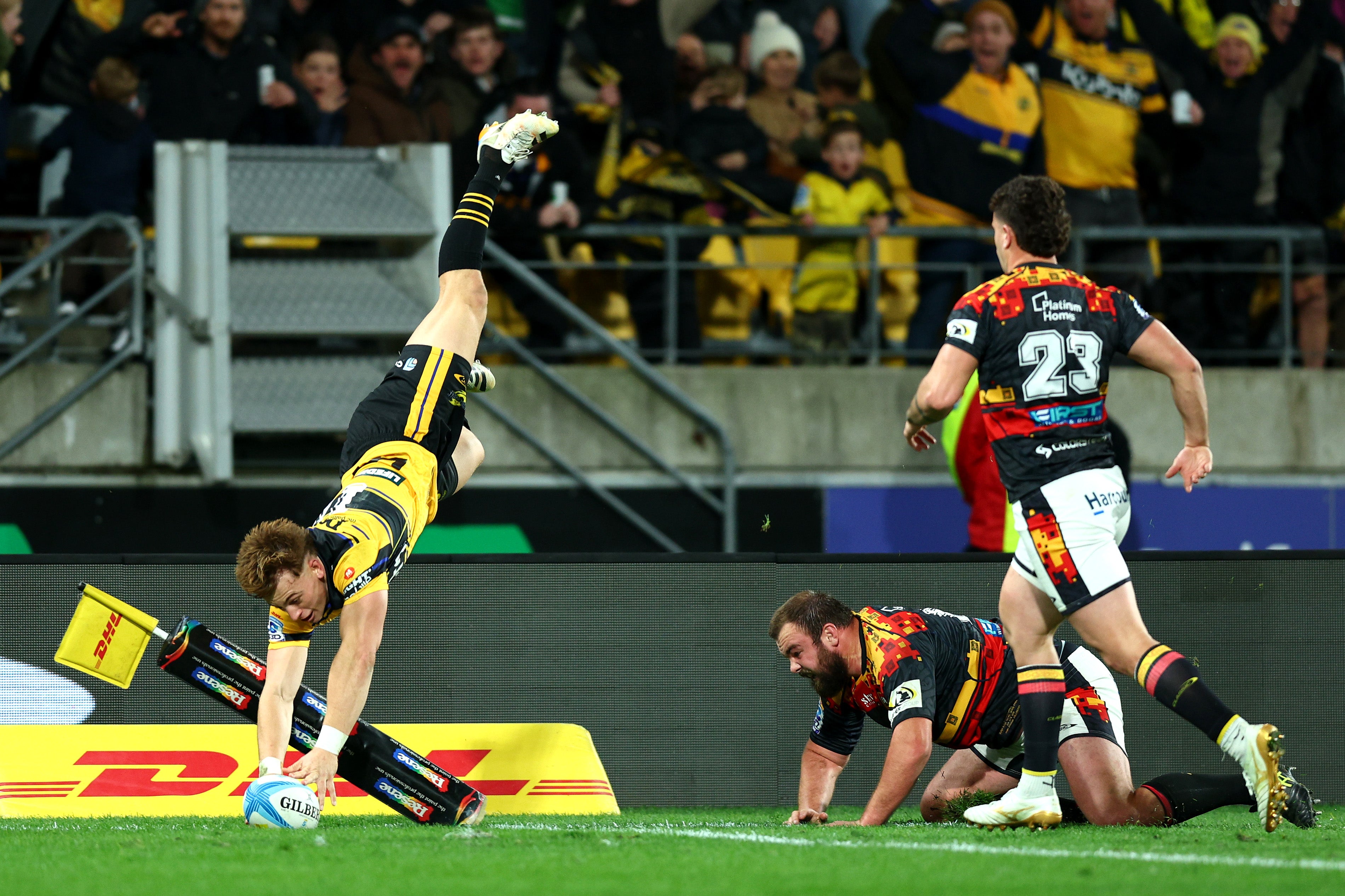 NZR and Rugby Australia are looking to get the best out of Super Rugby Pacific (Getty)
For the first time, too, there is recognition that they may need to actively sell rugby union in the country amid the ever-strengthening threat of the National Rugby League (NRL) within the Pacific. The NRL appears keen on a second Kiwi franchise; a recent dispute over copyright law related to the Chiefs name hinted at wider tension. While sources downplay any sense of direct hostility, there is recognition on both sides of the Tasman that they must do a better job in marketing and strengthening Super Rugby Pacific – all while still nurturing the grassroots game, a challenge that the NRL does not have.
“We’re aligned with Rugby Australia and the Super Rugby clubs that we need people who wake up every day focused on engaging fans, growing revenue and working with broadcasters and the media,’ NZR chief executive Steve Lancaster said earlier this year.
“We’re open to working on things like player movement, a competition-wide salary cap and centralising commercial assets across the key markets. Those are conversations we will now have with Rugby Australia, the Rugby Players Association and the Super Rugby clubs. We know it’s a great product on the field and it now needs to generate the level of attendance and revenue that it warrants.”
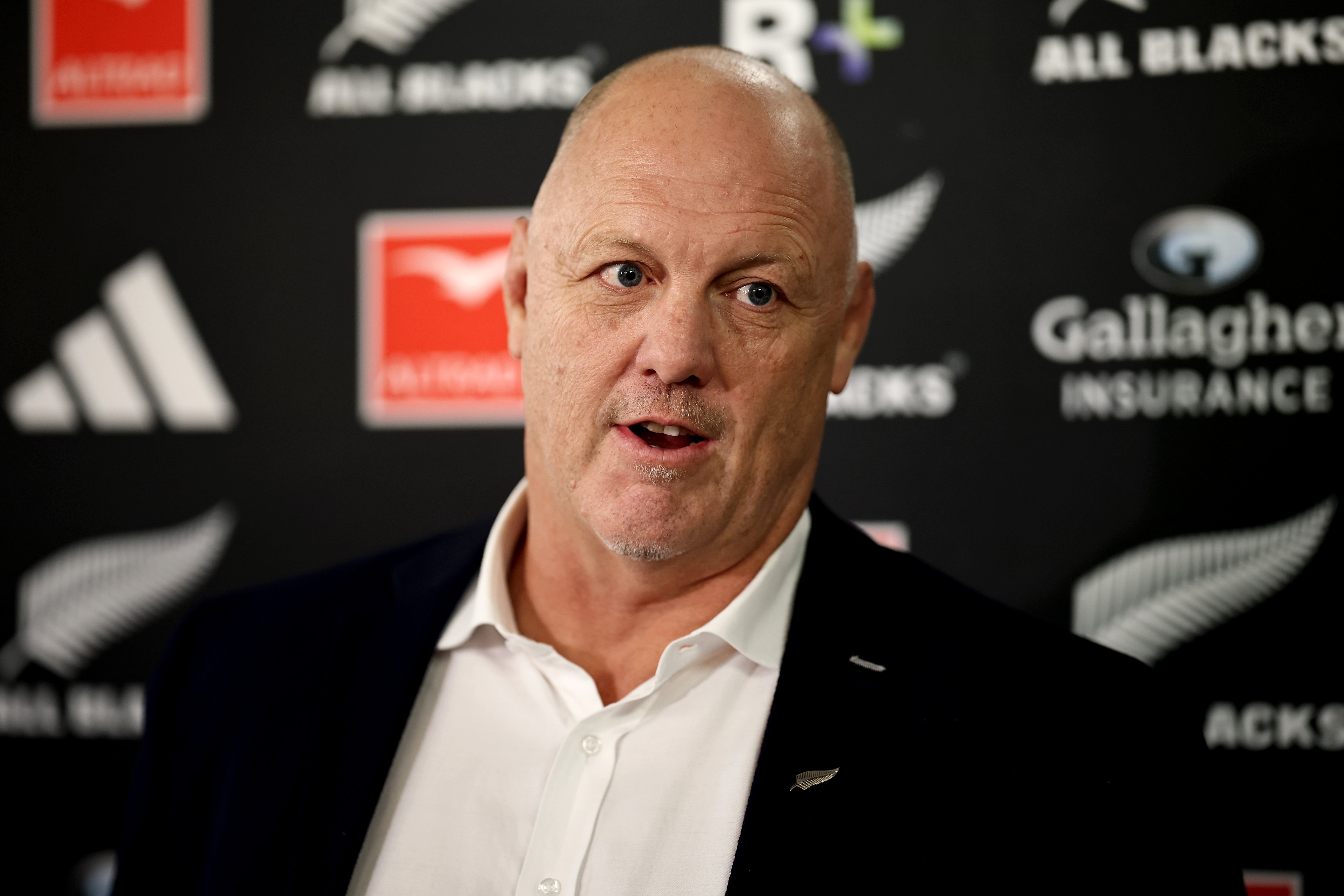 New Zealand Rugby CEO Steve Lancaster has had a busy year (Getty)
The draw of the All Blacks jersey remains incredibly strong, and New Zealand have largely avoided significant player drain elsewhere. That could change quickly, though. While the departure of a 36-year-old Beauden Barrett – understood to be close to sealing a deal with Bristol Bears in the Gallagher Prem – is not necessarily a concern, mooted moves to Stade Francais for Wallace Sititi and Bayonne for Luke Jacobson feel more significant. Having won six of the first 10 editions of World Rugby’s U20 World Championship, it will be a decade next year since the Baby Blacks last triumphed with a golden crop that included Jacobson, Jordan and Asafo Aumua. With South African sides long since departed, Super Rugby is no longer quite such a fertile proving ground.
All of this is surmountable; all of the noise an overreaction. Indeed, it would be entirely unsurprising if All Black hands are hoisting the World Cup again in Sydney next November. This year alone, they have gone toe-to-toe with the Springboks on South African soil in three tremendous Tests, and blown away Australia in back-to-back Bledisloe Cup meetings. Had they beaten Wales, New Zealand would have been No 1 in the world. After a lighter training week, they could well remind everyone just how good they are this weekend before signing off for the year.
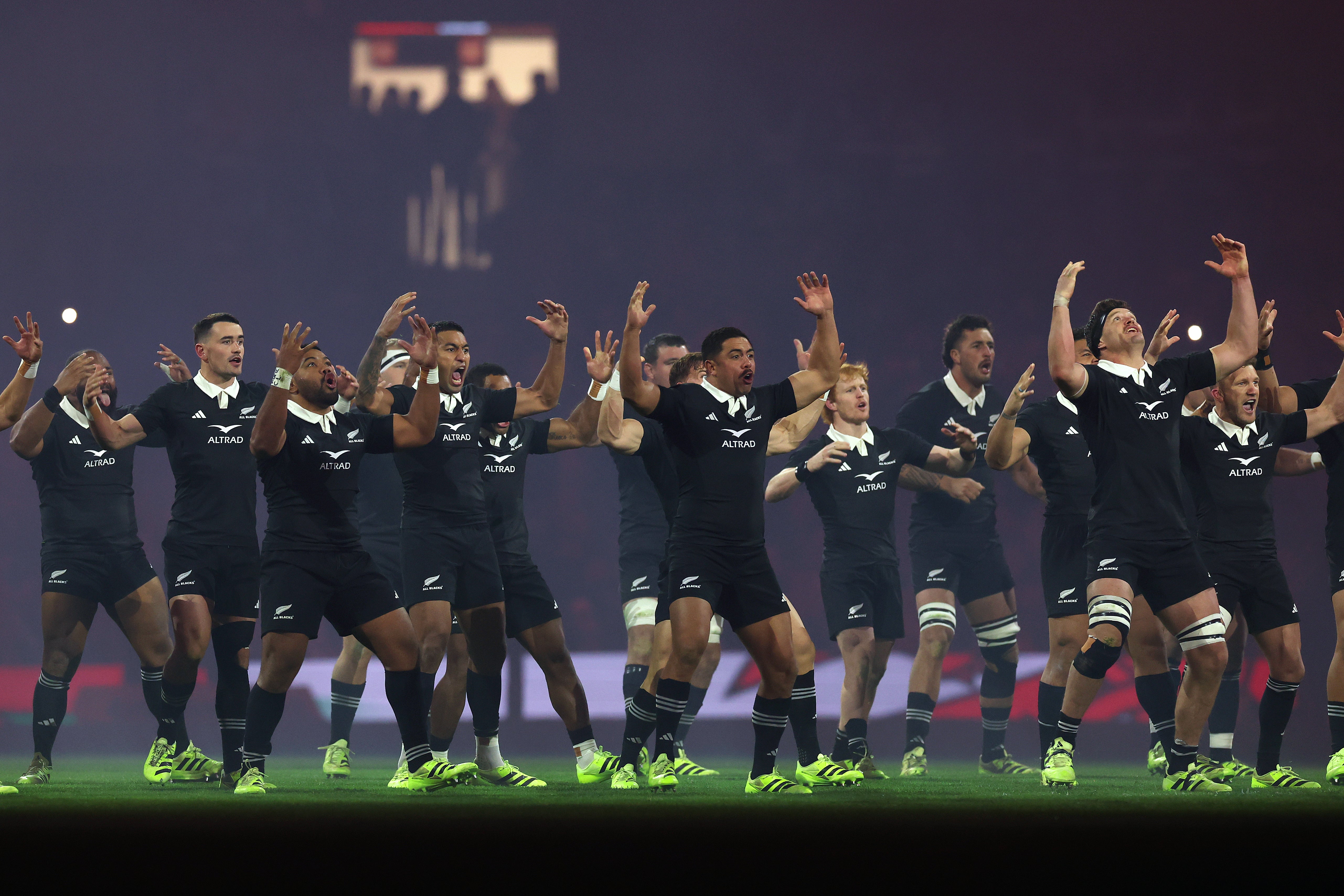 The All Blacks are desperate to sign off with a win this weekend (Getty)
“The noise is noise because people care,” Jordie Barrett admitted. “And we care. We need to be better. We feel we haven’t given the best account of ourselves as All Blacks and honouring people that have gone before us. We value everyone’s support at home. We would love you to stay with us, as hard as it might be. We are trying our best to turn things around.”