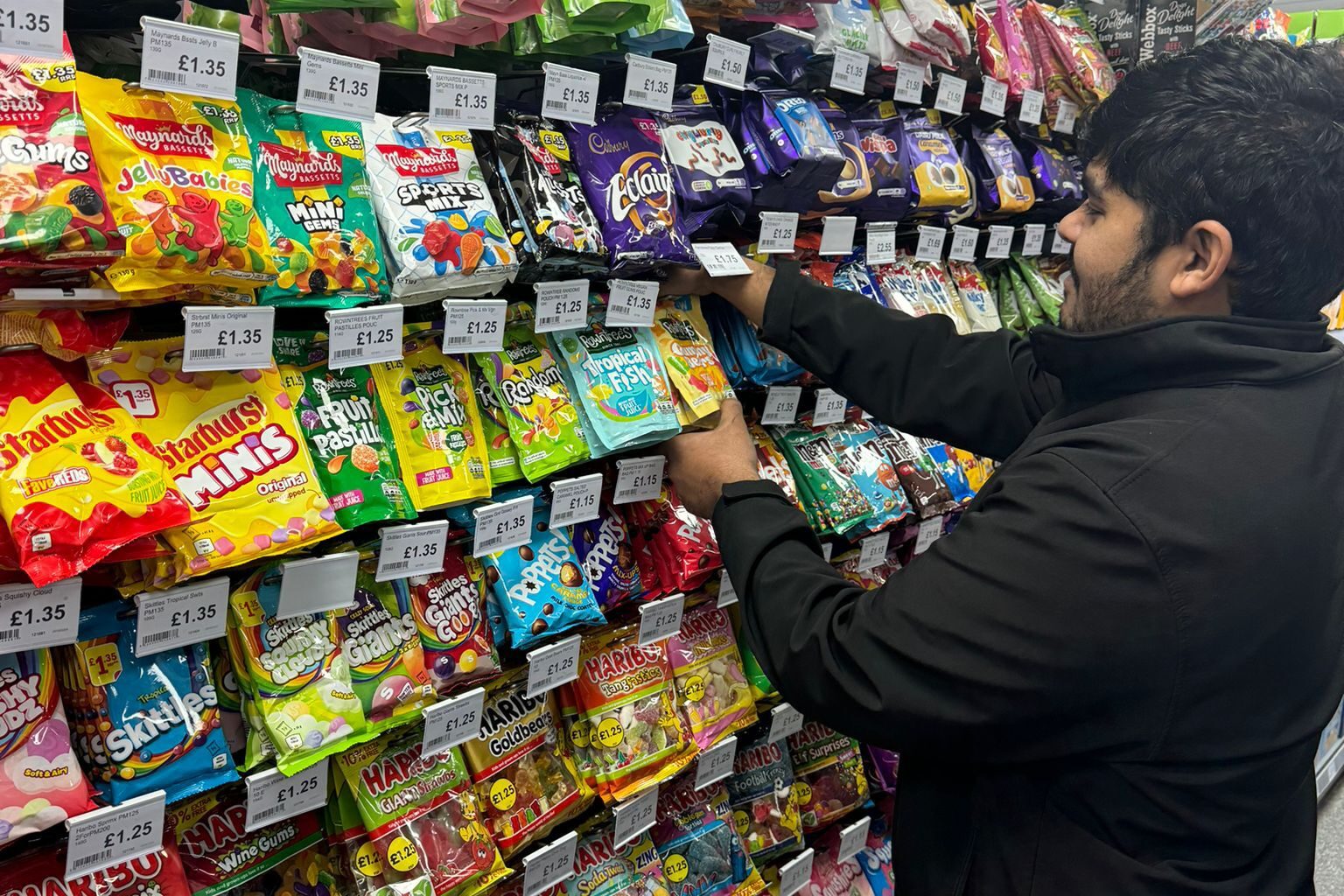
Food Standards Scotland (FSS) has warned that current proposals to introduce restrictions on the promotion of high fat, salt and sugar (HFSS) products don’t go far enough to deliver the scale of change needed to transform Scotland’s food environment.
Earlier proposals for meal deals and temporary price restrictions to be included within the HFSS regs are no longer due to go ahead, but FSS evidence shows that extra measures would make a meaningful impact. For example, including temporary price reductions, could result in a fourfold greater reduction in calories purchased, claimed the group.
“We welcome the direction of travel, but action must be stronger, faster, and better resourced,” said Heather Kelman, Chair of the FSS Board. “Public health cannot continue to take a back seat to commercial interests. Delays and compromises only serve to deepen existing health inequalities with a continuing increase in dietary related health costs.”
Scotland continues to face some of the poorest diet-related health outcomes in Europe, with rising levels of obesity and type 2 diabetes, particularly among those in the most deprived communities. Public Health Scotland data shows that children living in these areas are now more than twice as likely to be at risk of obesity compared to those in the least deprived areas.
Kelman said: “This should not be a choice between health or growth. When HFSS sales increase, the NHS and taxpayers pick up the bill. Of course we recognise that growth is important, but we need a system that prioritises public health over commercial interests.”
FSS also noted that Scotland continues to lag behind other parts of the UK in implementing diet-related measures and is calling for stronger collaboration with the UK Government to tackle shared challenges.
FSS will be writing to the Secretary of State for Health and Social Care to urge a more joined-up and ambitious approach to reserved issues such as food marketing, extension of the sugar levy and labelling. There is also a clear case for mandation being made by industry themselves that can no longer be ignored.
Kelman added: “Without urgent and coordinated action, Scotland risks missing its ambition to halve childhood obesity by 2030, and allowing diet-related illness to continue placing unsustainable pressure on the NHS. Clinical solutions can help but are not a panacea and preventing dietary related ill-health conditions is still a much better solution.
“We need a bold strategy to reshape the food environment. The intent is there. Now we need delivery, leadership, and the political will across all UK administrations to follow through.”