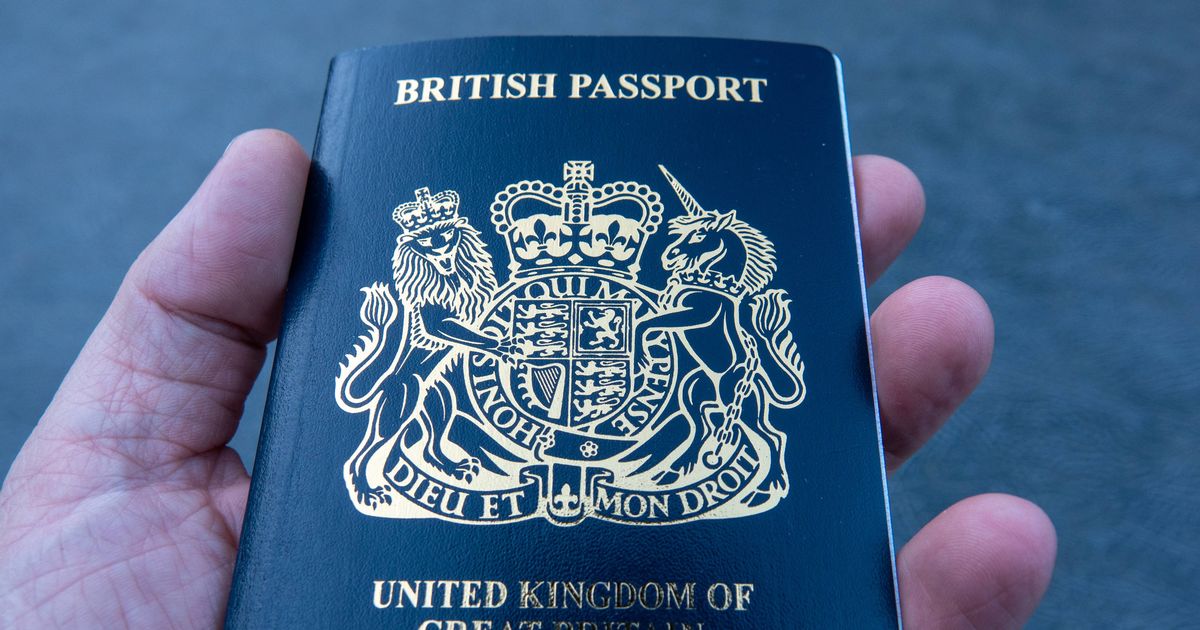
Holidaymakers will be affected by the biggest shake-up in border rules for a generation as the EU’s entry/exit system goes live on October 12 – here’s what you need to know
14:00, 25 Aug 2025Updated 15:41, 25 Aug 2025
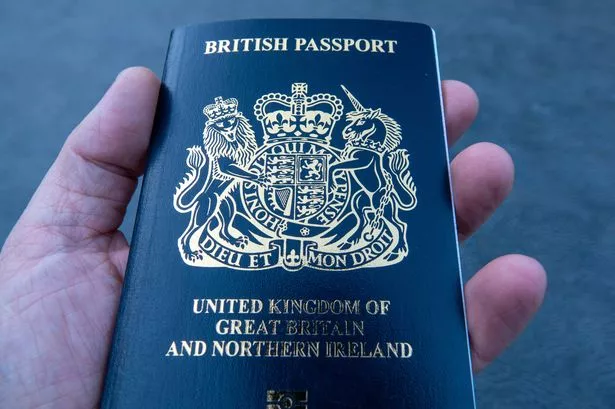 UK passport holders will experience the EU’s entry/exit system from October 12(Image: Matt Cardy/Getty Images)
Brits have less than 50 days left to enter Europe under existing rules as the Continent gears itself up for the biggest shake-up of its border entry system in a generation. From October 12 – 48 days from now – the European Union’s (EU) entry/exit system (EES) will come into force, changing the way holidaymakers from the UK visit Europe.
Under the new rules, people visiting any country within the Schengen Area – see full list below – will have to register their biometric details at their destination, such as fingerprints or a photo. The details will be placed in a database accessible by any Schengen Area airport and will replace the need to manually stamp passports on arrival.
Different EES rules will apply to Brits going to Europe via the Eurostar from London St Pancras International station, ferry from the Port of Dover or Eurotunnel from Folkestone, as the biometric checks will be performed on UK soil before leaving the country.
With the clock now ticking towards its introduction, many Brits will be scrambling to familiarise themselves with the new rules before they come into effect. There has also been criticism of the system, with the original launch date of 2021 being pushed back by four years, while the UK and industry experts warned of longer wait times at the border.
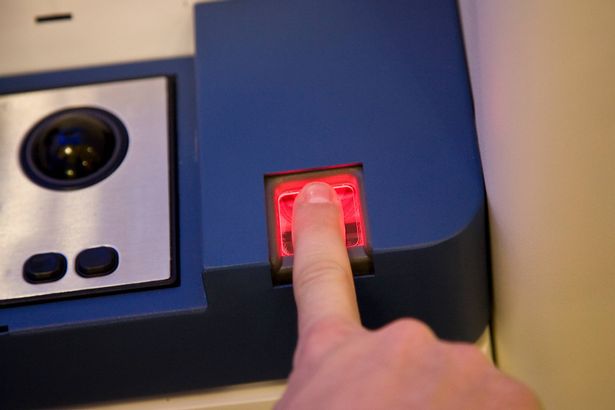 Passengers will need to register their fingerprints in a new EU-wide database(Image: James Leynse/Corbis via Getty Images)
The data stored on the EES database will last for three years and any frequent visitors to the Schengen Area must stay no more than 90 days in any 180-day period. The EU insists that any information stored “is protected against abuse and access to it is restricted to specific staff within national authorities”.
The goal of the EES is to digitalise passport checks, ensure people do not overstay and combat unauthorised immigration, reports the Liverpool Echo. Following the launch of the system, the EU will push ahead with plans to unveil the European Travel Information and Authorisation System (ETIAS) by the end of 2026.
The ETIAS, a visa waiver programme, works similar to the US Electronic System for Travel Authorisation (ESTA), in which travellers apply online by submitting their passport and contact details, pay a €20 fee and receive a digital visa waiver granting them entry to the EU.
From October 12, Brits going to any of these these countries within the Schengen Area will face the new rules: Austria, Belgium, Bulgaria, Croatia, Czech Republic, Denmark, Estonia, Finland, France, Germany, Greece, Hungary, Iceland, Italy, Latvia, Liechtenstein, Lithuania, Luxembourg, Malta, Netherlands, Norway, Poland, Portugal, Romania, Slovakia, Slovenia, Spain, Sweden and Switzerland.
The road to the EES has been nothing short of rocky. It was originally scheduled for introduction in 2021, but EU officials postponed the launch as the computer systems were not yet ready.
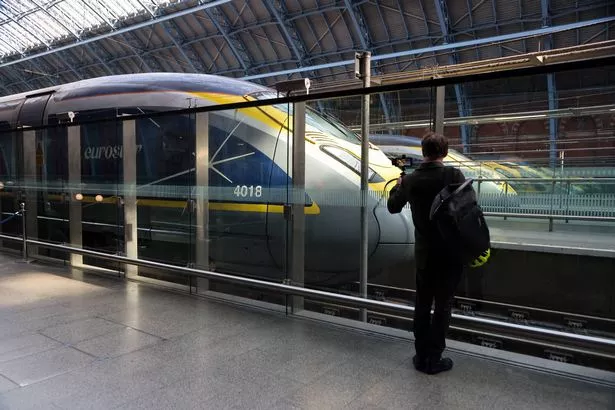 Eurostar passengers will undergo checks before they leave the UK(Image: Steve Taylor/SOPA Images/LightRocket via Getty Images)
Three years later in 2024, Ylva Johansson, the EU’s then-home affairs commissioner, told The Independent: “I have decided that the entry/exit system will enter into operations on 10 November. That will be a great day – entry-exit system day.” However, the EU was forced into an embarrassing U-turn after postponing the launch one month before the launch date.
There have also been concerns about the delays Brits will face at the border when entering Europe under the new system. The Government stated on the Gov.uk website: “EES may take each passenger a few extra minutes to complete so be prepared to wait longer than usual at the border once the system starts.”
In addition, the British travel agents’ trade body ABTA said in a statement: “Initially, the processing of passports through the new EES is expected to take longer, given that each person needs to provide their fingerprints and facial scan, which could lead to queues and delays. So this is an important thing to mention to your customers, particularly if they have any accessibility needs or challenges.
“It is difficult to say right now what any delays might look like, it is likely to vary from place to place – depending on their set up, and also the number of people being processed under EES.”
Eurostar eyes April 2026 launch
Despite this, there has been plenty of action behind the scenes in the UK’s entry ports to ensure Brits are prepared for the EES come October 12. For instance, last year Folkstone’s Eurotunnel terminal installed 224 EES kiosks.
Eurostar also announced that it will gradually introduce EES checks to passengers passing through St Pancras, ahead of a full roll-out next April. It said in a statement: “We will introduce entry checks for some travellers departing from London St Pancras International from October. Registration will be carried out manually at one of our immigration booths, during the usual passport control process. Passport stamping will continue during the six months phased launch.
“In line with EU requirements, EES will be fully introduced for all eligible Eurostar travellers by 10th April 2026. From early 2026, we will introduce entry and exit checks on all routes to/from London, and biometric kiosks will be available to all travellers departing from both London and Paris.”
Since June, some roads coming into the Port of Dover have been closed as port officials install new EES kiosks. According to the BBC, the new booths will be operational from November 1.