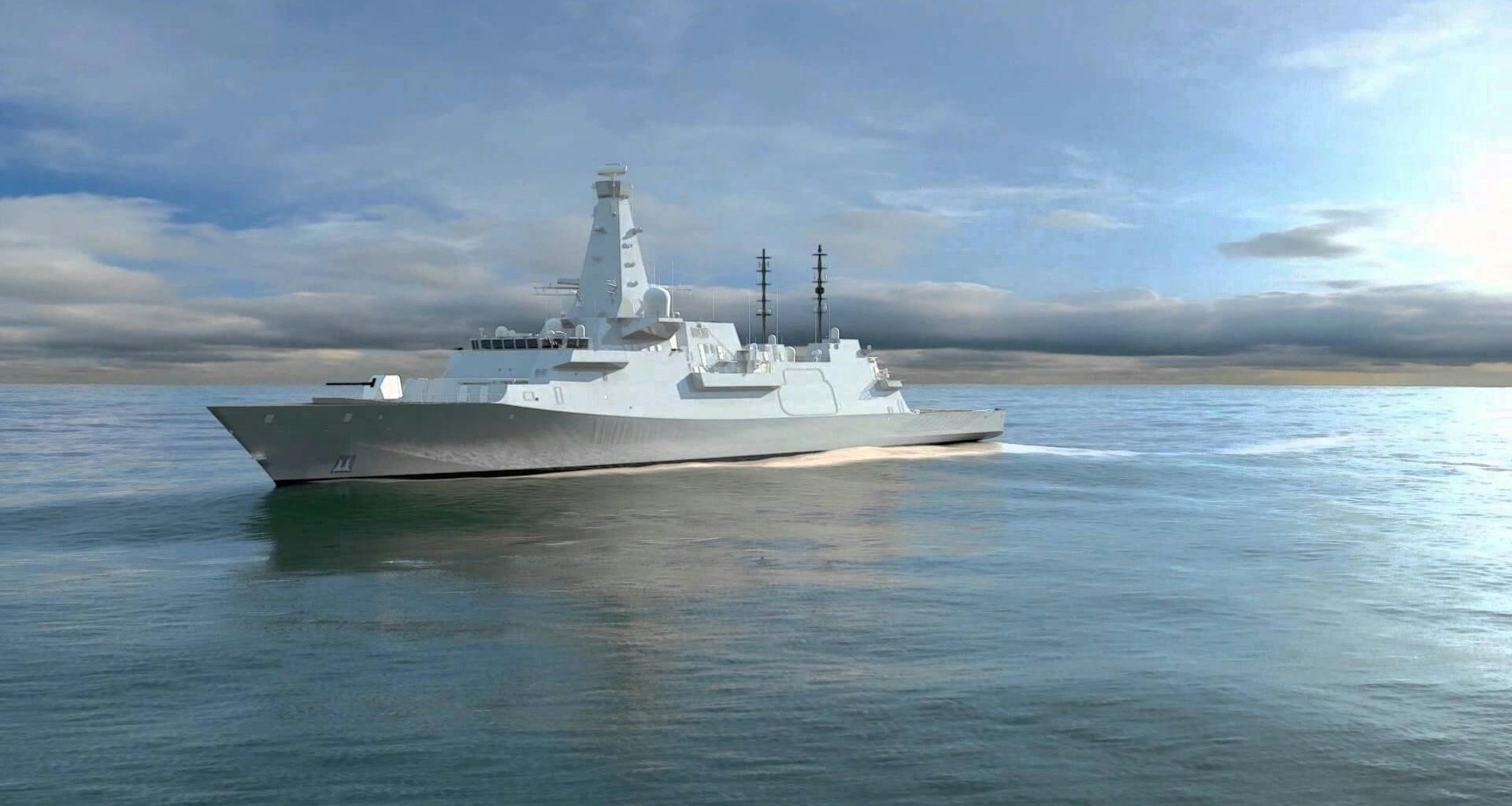
Norway has selected BAE Systems’ Type 26 design as the basis for its future frigate programme, a decision that will shape the Royal Norwegian Navy for decades to come.
The choice reflects both Oslo’s urgent need to restore lost capability and its determination to secure a modern anti-submarine warfare platform that can operate seamlessly with NATO allies.
The programme aims to replace the Fridtjof Nansen-class frigates, a fleet that has been diminished since the loss of HNoMS Helge Ingstad in 2018. With only four ships left in service, Norway has faced challenges meeting its commitments in the High North and across the North Atlantic.
These waters remain strategically vital as Russian submarines operate out of the Kola Peninsula into the Norwegian and Barents Seas, creating persistent pressure on NATO’s northern flank. The new frigates are expected to become the backbone of Norway’s ability to monitor, deter and if necessary counter undersea activity in one of the most contested maritime regions in the world.
The Type 26 has been designed from the keel up as a world-class anti-submarine warfare vessel. Its acoustic quieting, advanced sensors, and mission flexibility make it particularly suited to the environment in which Norway operates. With a displacement of around 6000 tonnes, it offers a balance of endurance, stealth, and growth potential. The ship’s large mission bay and adaptable design also ensure that it can integrate emerging technologies such as uncrewed systems and directed energy weapons in future.
Norway’s decision adds to the growing international adoption of the Type 26. The Royal Navy is building eight ships on the Clyde, while the Royal Australian Navy has committed to nine under the Hunter-class programme. Canada is building fifteen under the Canadian Surface Combatant project. Norway’s participation now creates a transatlantic community of operators centred on the same platform, a level of commonality that is rare in modern naval procurement.
The benefits of this shared approach are clear. Common training, logistics, and sustainment systems can drive down costs across the user base. More importantly, the ships will be able to operate together in NATO task groups with an unprecedented degree of interoperability. In an alliance context where undersea threats remain a defining challenge, a multinational fleet of advanced frigates designed for anti-submarine warfare represents a significant enhancement to collective defence.
For Norway, the choice also carries industrial implications. BAE Systems has already established a complex supply chain across the UK, Australia, and Canada, but Oslo is expected to secure meaningful involvement for Norwegian industry in both the build process and long-term support.
Opportunities will likely emerge in areas such as combat systems, sensors, and electronic warfare equipment. Domestic participation has been a political priority for the Norwegian government, which views industrial access as central to national security