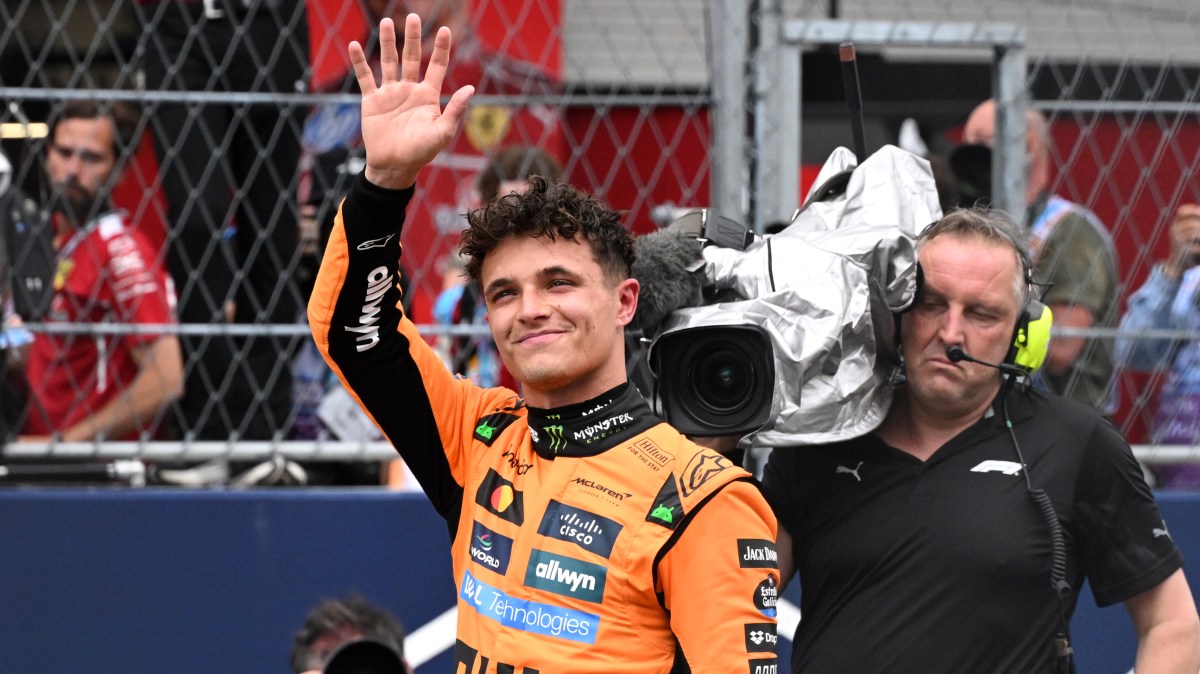
Next year’s British Grand Prix will feature a sprint race for the first time since 2021, in what is likely to be a glimpse of the sport’s future.
Silverstone will be one of six races to use the sprint format next year; a move away from the three-practice traditional Formula 1 weekend. Sprint race weekends feature one practice session, before sprint qualifying, sprint race and main qualifying and the main race.
The Times understands from the 2027 season onwards the number of sprint races could double (to 12 of 24), but will not initially exceed 50 per cent of the events on the calendar.
Formula 1 data has shown the sprint format is more popular with viewers than the non-competitive practice sessions. In 2024, television viewership for sprint weekends was on average 10 per cent greater than non-sprint editions.

Hamilton’s sprint win in Shanghai in March is his best result since joining Ferrari
SONG HAIYUAN/PADDOCKER
Despite this, the number of sprint races in 2026 will remain the same as this season because of the extra demands the new regulations — which are significant to both chassis and engine — will place upon teams. Sprints will be held in Shanghai, Miami, Silverstone and — for the first time — Montreal, Zandvoort in the Netherlands, and Singapore.
Promoters from many of the countries on the calendar have been keen to host sprint races, given it is seen as a greater spectacle, and easier to draw in fans.
“The F1 Sprint has continued to grow in positive impact and popularity since it was introduced in 2021,” Stefano Domenicali, the F1 CEO said. “With four competitive sessions rather than two during a conventional grand prix weekend, F1 Sprint events offer more action each day for our fans, broadcast partners, and for the promoters — driving increased attendance and viewership.”
In the coming months, F1 will debate the exact number of sprint races that is feasible for 2027 with the teams and drivers, and the sport’s governing body, the FIA. While it is undoubtedly a more attractive format to newer viewers of the sport, there is a greater risk for teams in areas such as crash damage, and for the FIA on resources in a sprint weekend.
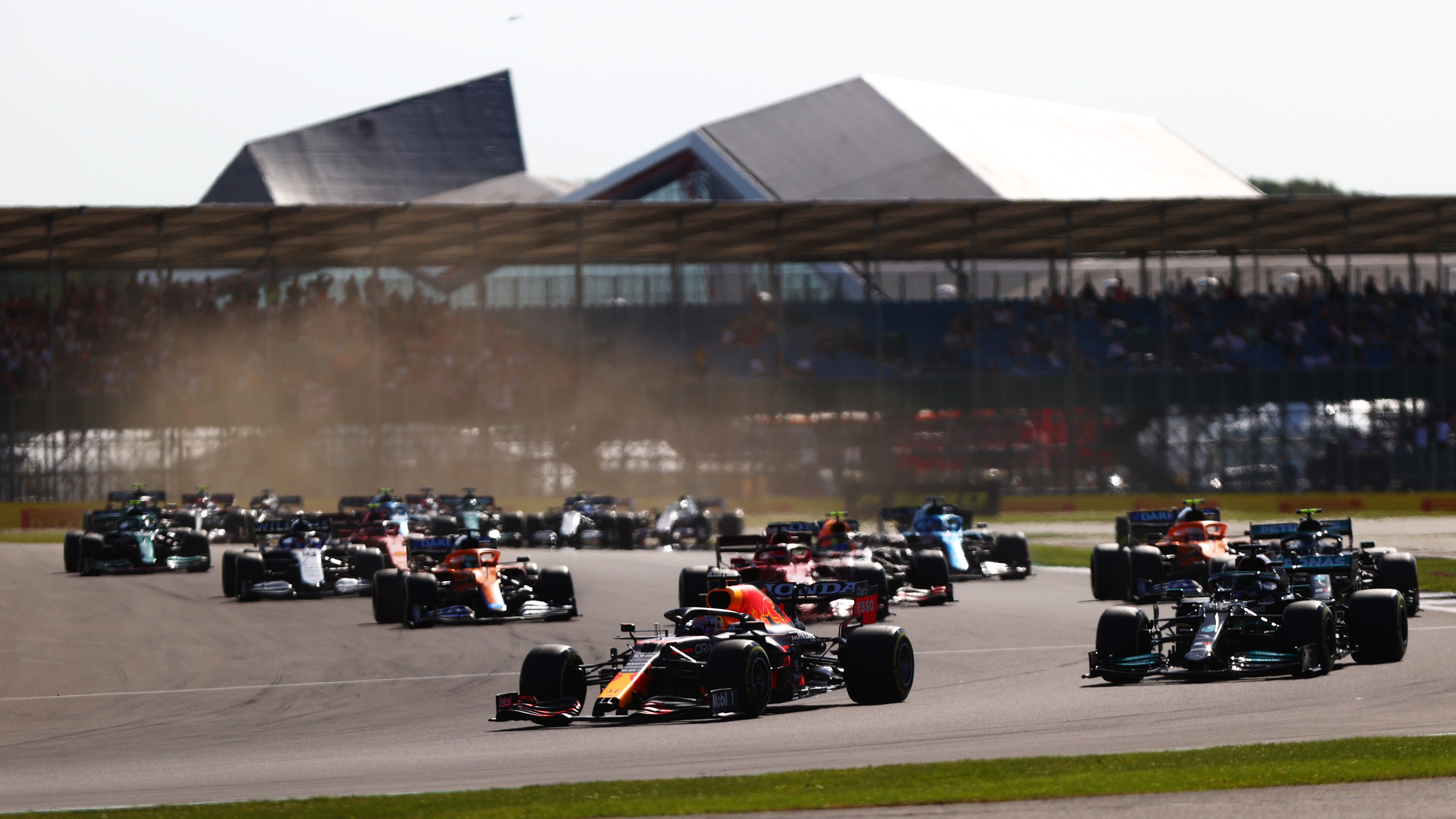
The sprint race usually covers about a third of a typical grand prix distance, and offers championship points for successful teams and drivers
DAN ISTITENE – FORMULA 1/FORMULA 1 VIA GETTY IMAGES
For Domenicali, though, the argument is simple. “Our surveys show the vast majority of the audience wants the drivers to fight for a result,” he recently told Autosport. “To put it bluntly, they’re tired of free practice. That’s an objective fact we can’t ignore. I’m being a bit provocative, but free practice appeals to super-specialists; people who want to see more action prefer a sprint weekend.”
The sprint races were not a favourite for drivers when they were first introduced in 2021 — and the four-time world champion Max Verstappen was a particular critic — but many have grown to enjoy the challenge, with only one practice session to get used to the track and setup.
“I was never a major fan of sprint races,” George Russell, the Mercedes driver, said. “Now I actually prefer them over usual grands prix. It makes every on-track activity much more meaningful, whereas some Fridays feel slightly redundant, with teams running high fuel, low fuel, high power, low power. It just feels like a bit too much unnecessary time on track.”
Other format tweaks are being discussed for 2027, including reverse-grid sprint races. Domenicali also mentioned that he could not rule out shortening main grand prix races if the audience felt they were too long, but this is understood not to be a priority and unlikely in the near future.