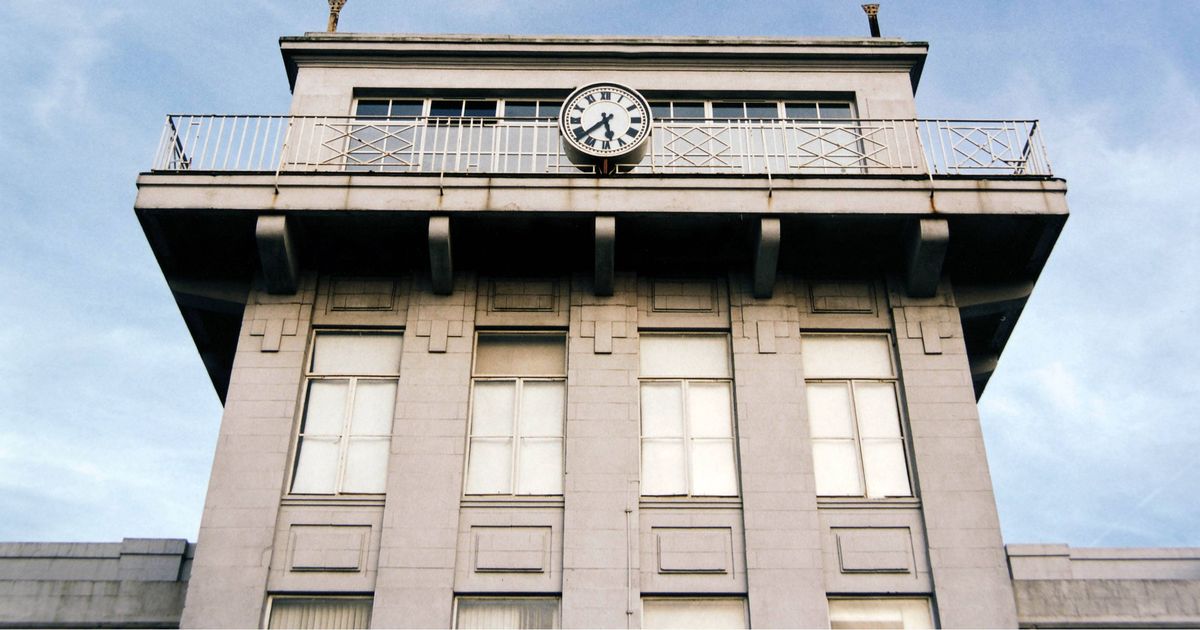
Croydon Airport was the UK’s main aerial hub before Heathrow and Gatwick asserted their dominance as the country’s two main airport, and the South London airport was once the world’s biggest
Christopher Sharp Trendswatch Reporter
14:17, 24 Sep 2025
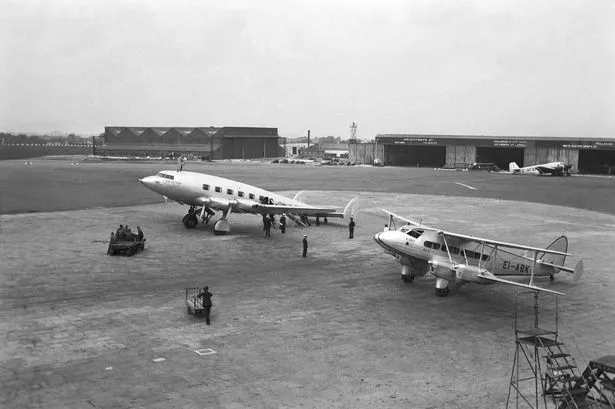 Croydon was once host to the world’s largest airport(Image: Getty)
Greater London has been home to numerous remarkable super structures throughout the years. As the UK progressed through the technologically driven 20th Century, increasingly marvellous and striking locations were constructed to support those advancements.
Consider Brooklands, situated within the borough of Havering – the racing circuit was the first of its type globally to cater for the motor car as people realised, much like the horse previously, you could utilise the automobile for sport and not merely for transportation.
Nevertheless, Brooklands wasn’t the sole location built to support technological progress, with airfields emerging across the city to welcome increasingly larger and swifter aircraft. Croydon Airport was amongst those locations.
Located a 60-minute flight from Manchester, it was established in 1920 by combining Beddington and Waddon aerodromes, it subsequently became RAF Station Croydon before shutting in 1959.
Throughout its 39-year operation, it pioneered standards for airports worldwide, becoming home to the world’s first purpose-built terminal, air traffic control tower, and airport hotel, reports MyLondon.
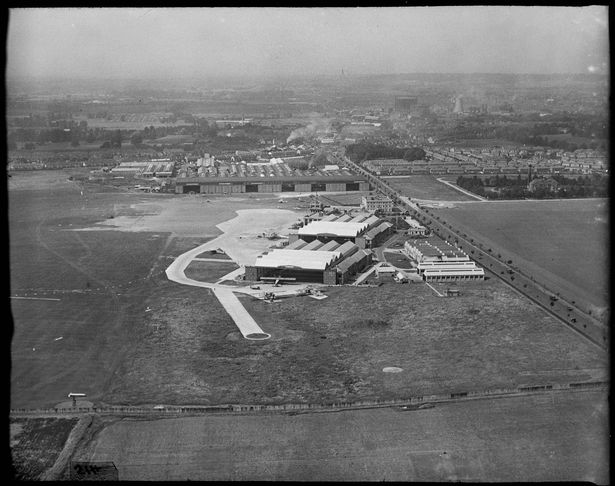 Croydon Airport became host to the RAF during the Second World War(Image: Getty)
At one point it was the largest airport globally, a distinction now held by the King Fahd International Airport in Saudi Arabia. Before Heathrow took its mantle, it was the UK’s principal aerial hub. It was also Croydon that held the distinction as the UK’s primary winged gateway.
Such was its reputation that shortly after the airport opened, it was described as “the official Charing Cross of international air travel” by The Times in 1920. At its height, the aviation facility provided services to destinations including Paris, Amsterdam, Rotterdam, and Berlin alongside routes to East Asia, Africa, the Middle East, and India.
Additionally, it provided flight training with notable graduates, including aviator Amy Johnson and Winston Churchill. The former departed from the airfield at the beginning of one of her most celebrated journeys.
On her way to becoming the first woman to complete a solo flight to Australia, Amy departed before an audience of 200,000 spectators from Croydon.
During wartime, Croydon served as a strategic location for fighter planes protecting British airspace before returning to commercial operations during peacetime, ultimately closing when Gatwick underwent redevelopment and expansion.
 Today Croydon’s history is kept alive by a dedicated team of volunteers(Image: Getty)
The airport’s primary structures remain today as the Croydon Airport Visitor Centre. Moreover, the Historic Croydon Airport Trust works to preserve the site’s illustrious past.
Discussing celebrated aviator Amy Johnson with The Times, volunteer Tony Francis stressed that Croydon Airport represented far more than mere transportation.
He said: “It’s all those pioneers who were battling against the establishment of the time. Not only with technology at its leading edge but also breaking down barriers, showing there were opportunities for everybody.”