EU rules are delaying Northern Ireland taking part in a major UK clinical trial for oesophageal cancer.
First announced by NHS England last year, the test is also known as the Best4 Screening trial and has been praised as the “pinnacle of many years of painstaking research.”
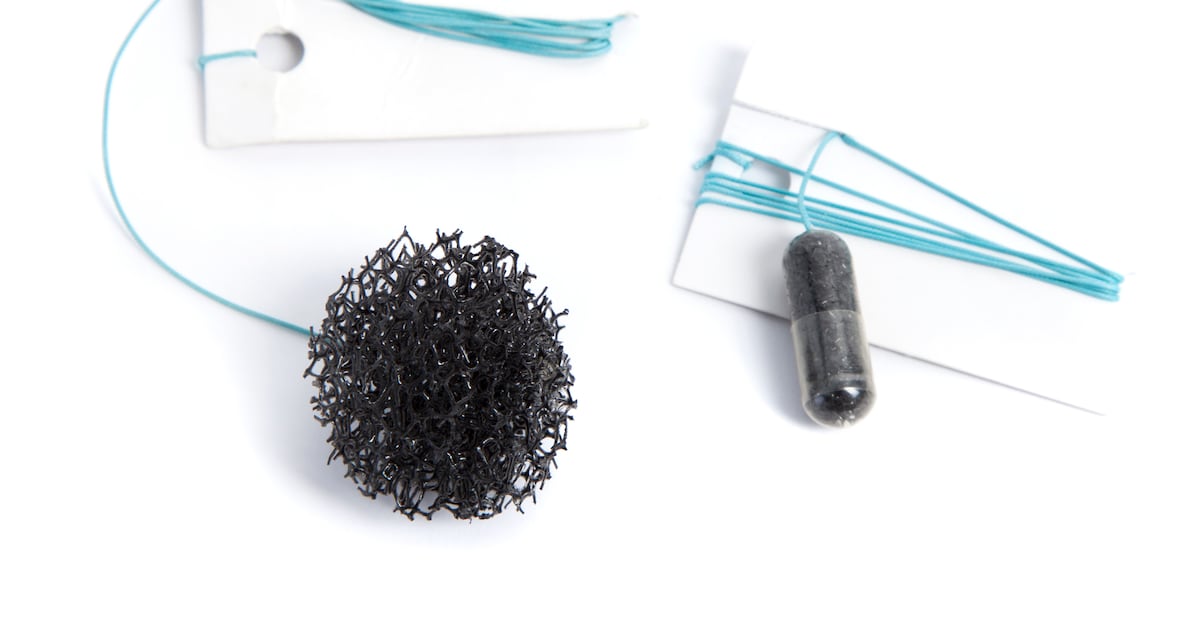
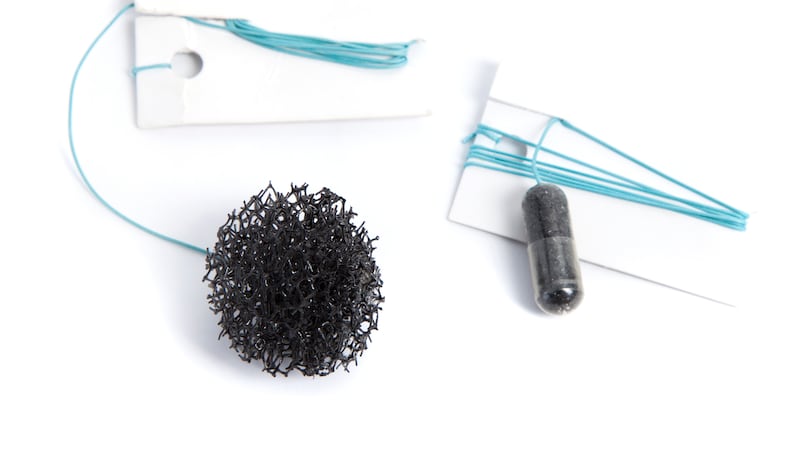
It works by asking patients with heartburn to swallow a pill attached to a string.
Dissolving in the stomach to leave a sponge the size of a coin, it is pulled up after a few minutes during which it collects cells from the food pipe.

This can detect a condition known as Barrett’s oesophagus, which indicates a patient is more likely to develop oesophageal cancer.
It is hoped the new test will save many lives and reduce the need for the more invasive current test of an endoscopy (camera down the throat).
Of nearly 10,000 people diagnosed with oesophageal cancer in the UK each year, 80% are at a late stage.
With only one in five surviving a year, early diagnosis is crucial and can reduce the need for chemotherapy and surgery to remove the oesophagus.
It is hoped 120,000 people with heartburn in the UK can be recruited over the next three years, but Northern Ireland remains in limbo.
An Assembly question to the health minister from Alliance MLA Stewart Dickson asked when the acclaimed “sponge on a string” cancer test would be rolled out in Northern Ireland, but was told it had still not progressed because of issues over complying with EU regulations.
Noting the trials were already recruiting in Great Britain, Mr Dickson asked what could be done as the Belfast Trust has been waiting over a year for approval.
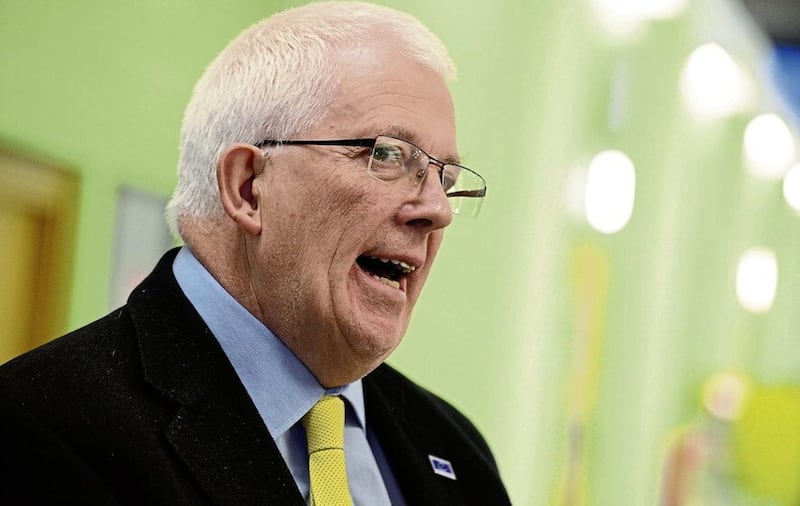 Alliance MLA Stewart Dickson
Responding, the health minister Mike Nesbitt said that Belfast Trust was informed about the trial last October but was “currently unable to participate” due to aspects of the trial “not being compliant with European Union In Vitro Diagnostic Regulation.”
He said the trust would not be allowed to proceed until this issue was resolved, but discussions were ongoing with the medical regulator MHRA.
Mr Nesbitt added that in the meantime, clinical evidence from the trial could be reviewed to determine “potential implementation” of capsule sponge testing across Northern Ireland.
Mr Dickson told the Irish News: “That cancer patients in Northern Ireland may miss out on the opportunity to take part in this national, potentially life-saving, trial which has been approved for the rest of the UK, because the Public Health Agency has sat on the Study Wide Governance Report for a year is a disgraceful shame.
“That the Belfast Trust were aware it needed to be EU-compliant as far back as a year ago and took no action to give Cambridge University the opportunity to submit the relevant application is particularly disappointing.
“As Chair of the All-Party Group on Cancer and a cancer survivor, I am urging the relevant players, The Belfast Trust and the Public Health Agency, to sort out their red tape and get this trial underway as soon as possible.
“The outcome of the trial has the potential to lead to the savings of hundreds of thousands of pounds to the Health Budget in NI and give patients new hope for an early diagnosis.”