Over tea and biscuits, seven women are discussing how it feels to be given a second chance at life after going through cancer treatment. Their voices veer between tears and laughter over two hours of unflinching conversation about learning to trust their bodies again.
The group of cancer survivors meet once a week at the Maggie’s centre at the Royal Marsden in London, as part of a “Where Now?” course, run by the charity to fill a chasm in NHS support.
At present, patients are dropped “off a cliff” when they are discharged from specialist NHS care after chemotherapy or radiotherapy. Friends and family expect them to celebrate, but many are “broken” by fatigue or anxiety, and written off by employers.
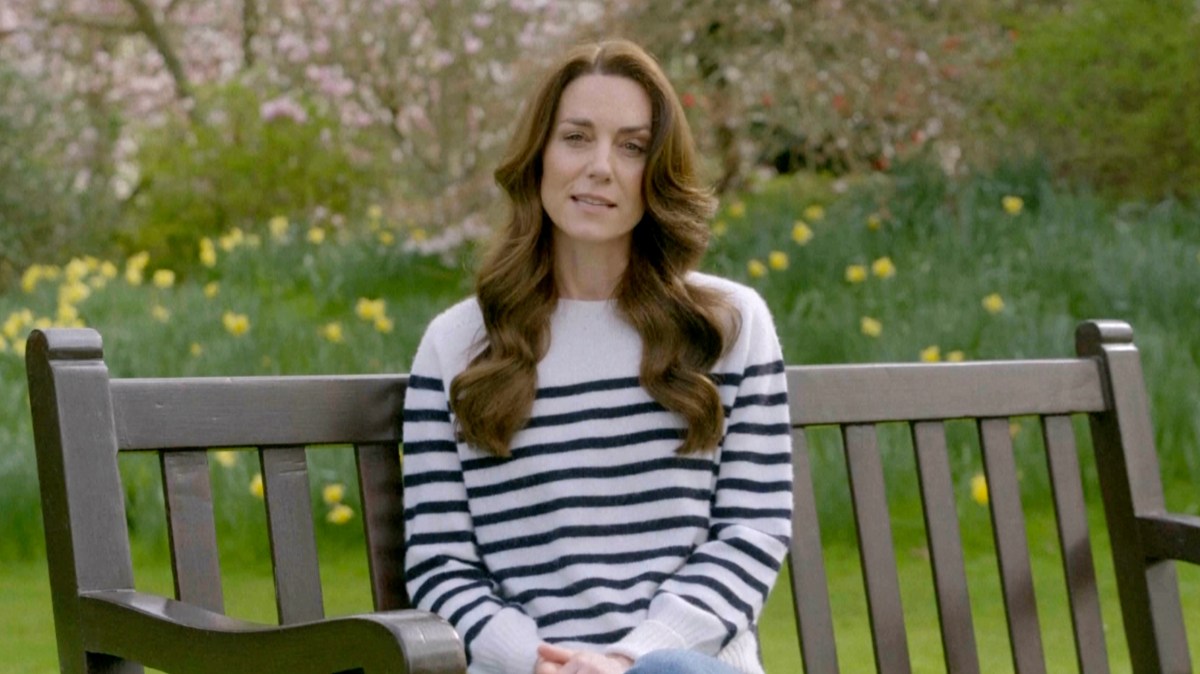
The difficulties of adjusting to life after cancer have been highlighted by the Princess of Wales, who has spoken of the “rollercoaster” of trying to find her “new normal” since announcing in January she was in remission for cancer. “You put on a brave face, stoicism through treatment,” she said. “Treatment’s done, and it’s like, ‘I can crack on, get back to normal again,’ but actually that phase afterwards is a really difficult time.”
Maggie’s is calling for post-treatment support to be embedded in the NHS cancer pathway as part of the government’s forthcoming 10-Year Cancer Plan, due to be published in the coming weeks. Dame Laura Lee, chief executive of Maggie’s, said: “The Princess of Wales has talked honestly about how recovering from cancer is a rollercoaster, and that challenges continue even once you have finished treatment. So why have we forgotten about that in cancer care? We know it’s not over when treatment ends, there is a recovery path and that path is incredibly difficult for people.”

Laura Lee, chief executive of Maggie’s
JACK TAYLOR FOR THE TIMES
‘Abandoned when treatment finishes’
An NHS survey of 9,000 cancer patients last year revealed that two thirds were unable to access emotional support after finishing cancer treatment, leaving them bouncing between GP appointments and mental health waiting lists.
Many go into “survival mode” during months of gruelling hospital treatment, explained Lee, a cancer nurse who has been chief executive of Maggie’s since 1998. Then, after being given the all-clear, “you ring a bell in many hospitals, and off you go. It’s like a celebration. But the devastation comes when people realise it’s not over. They’ve got this whole other journey to go through.”
It typically takes six months to a year to recover from the physical effects of cancer treatment, and patients must get to grips with life-changing consequences. “Why should you feel normal when you’ve lost your breasts, or you’ve had medical treatment that means that you’re no longer going to be able to have a family,” said Lee.
The NHS treats 320,000 people for cancer each year, but the only built-in aftercare is an obligation for GPs to give them a single phone call. “We are keeping people alive for longer because of the shift in cancer treatment, which is a brilliant thing,” said Lee. “But that means this cohort of people living with the psychological and physical impact of their treatments is growing. If we don’t get the rehabilitation process right, we won’t be helping people with cancer recover fully.”
Written off by employers
Ongoing symptoms often make it impossible for cancer survivors to jump straight back into full-time work. To ensure they are not “written off” and stuck on benefits, Maggie’s provides free expert support to devise a phased return-to-work plan with employers. “People want to be back at work, want to be financially independent from their family and the government. But if we don’t support people, they get stuck,” said Lee.
Last year a study by a team at York University found the Where Now? programme — provided at 24 centres across the UK — could save the economy £97,500 a year on sickness benefits, and deliver an extra £1.1 million through increased spending and taxation.
• One person to be diagnosed with cancer every two minutes by 2040
Readjusting to life after cancer is particularly challenging for young adults, who are dealt the hammer blow of a diagnosis while “in the prime of their productive life”.
The Times spoke to young women at the Maggie’s centre at Charing Cross hospital in London. Lucy, 37, who was treated for stage 4 non-Hodgkins lymphoma, described how the support group was “the first time I’d spoken to people my age. Every time I went in for chemo I was the youngest person in the room.”
Friends and family “don’t have any understanding of what it’s like to come out of the other side, and for the entire landscape of your life to be changed”, Lucy added. “Everyone assumes you must feel amazing, so relieved, so happy. Actually your anxiety just changes gear, and you become very scared about recurrence. Your body isn’t the same.”
Liz, 37, who has finished treatment for Ewing sarcoma, added: “I’m in my thirties so other people are getting on with their lives — a new job, new partner, having children. But I had to have a year out of my life. My life hasn’t moved on.”
Dr Cara Gibson, a counselling psychologist who runs the young women’s support group, said people “feel like they’re abandoned when treatment finishes”. Support is essential to return to work, and coming to terms with the fact their life plan has been “turned on its head”. Fertility is often a big theme of sessions, Gibson said, and “young women will nearly all be offered egg retrieval and freezing before treatment”.

Dr Cara Gibson
JACK TAYLOR FOR THE TIMES
‘You do not trust your body any more’
Maggie’s offers free ongoing support to anyone affected by cancer, whether they want a cup of tea or specialist counselling. It also runs exercise classes, including Nordic walking groups and yoga to help people build up strength. The Times sat in on one session of the seven-week Where Now? course where they were discussing exercise.
Rachel Day, the group leader, explained that “something is better than nothing” when it comes to physical activity. Exercise has been proven to reduce the risk of cancer returning, cutting the risk of dying from bowel cancer by one third. However, it is a tricky balancing act when the fatigue associated with cancer treatment can last for years.
Fiona* was previously a super-fit club runner, but since being treated for pancreatic cancer she can be, literally, floored by exhaustion. She recently went to the bank, a five-minute walk away. “I collapsed and couldn’t move on the floor for 40 minutes. I had to be carried back. I always have a fear that if I go out on a walk, I won’t be able to get back.”
The women’s relationships with their bodies have been permanently altered. “You do not trust your body anymore, it has let you down,” said Jess*.
One key theme is guilt — guilt over not bouncing back straight away, and not having the energy to celebrate with their children, friends and partners. The women bring up how much comfort they found in the Princess of Wales’s honesty about the struggle of returning to normal life. For many, it was the first time they had heard someone say publicly that the post-treatment phase is not easy. “I am very grateful to Kate. It is really important for us. If people around us are more aware, it will be less tricky for us.”
*Some names have been changed to protect anonymity.