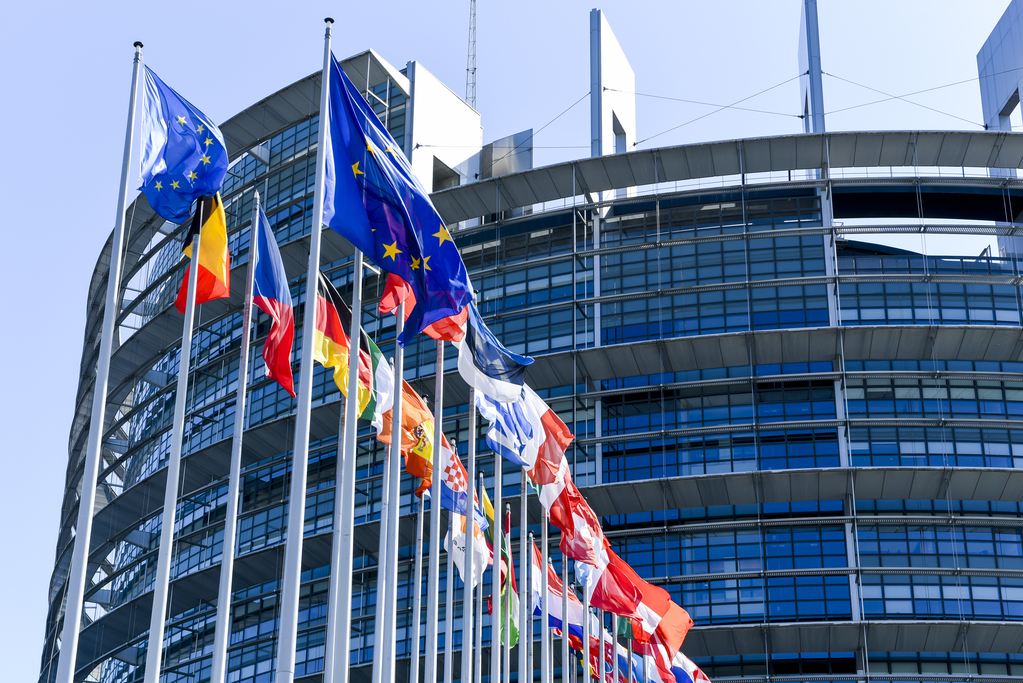
A ban on the ruble-backed A7A5 stablecoin will come into force on November 25, 2025, effectively blocking all EU-based institutions and service providers from facilitating transactions involving the asset.
The measure expands Europe’s crypto oversight into new territory – digital currencies tied to sanctioned Russian banks. A7A5, reportedly co-owned by Russia’s state-run Promsvyazbank and sanctioned Moldovan businessman Ilan Shor, had processed tens of billions in transactions by late 2025. The stablecoin was frequently used to move funds through platforms in Central Asia, particularly via the Kyrgyzstan-based exchange Grinex, a project linked to former Garantex staff after that exchange was blacklisted.
EU officials said the decision comes amid growing concern that ruble-pegged crypto assets are being leveraged to bypass financial restrictions. High Representative for Foreign Affairs Kaja Kallas confirmed the new measures include tighter controls on Russian banks, crypto exchanges, and even diplomatic movements. “Every euro we deny Russia is one it cannot spend on war,” Kallas emphasized, calling the move part of a broader campaign to choke off financial routes funding the invasion of Ukraine.
The sanctions package, announced on October 23, doesn’t stop at crypto. It also includes new limits on Russian energy exports – particularly LNG – and enhanced restrictions on companies and traders in Asia and the Middle East accused of enabling sanction evasion. Several banks and oil firms from Kyrgyzstan, Tajikistan, Hong Kong, and the UAE have now been blacklisted for facilitating ruble-linked transactions.
According to the European Commission, the A7A5 token had a circulation of roughly 41 billion units and handled more than $68 billion worth of transactions by September 2025. Though representing just a small slice of total crypto activity in Europe, ruble-denominated trading pairs accounted for about 2.4% of the region’s Bitcoin volume earlier this year.
Maria Luís Albuquerque, the EU Commissioner for Financial Services, said the inclusion of crypto in the latest sanctions round marks a turning point in Europe’s approach to digital assets. “We’re closing the remaining gaps in our financial defenses,” she noted. “Crypto is no longer outside the perimeter of accountability.”
With enforcement beginning in late November, the A7A5 ban signals that the EU’s regulatory net is tightening – not only around traditional banks but around the emerging digital infrastructure that continues to sustain sanctioned economies.

Alexander has been working in the crypto industry for three years, during which time he has established himself through his active participation in monitoring market dynamics and technological innovations. His interest in cryptocurrencies and new technologies is not just a professional commitment, but a deep personal passion. He follows the news in the sector daily, analyzes trends, and is excited about every new step in the development of blockchain solutions. His enthusiasm drives him to continuously learn and share knowledge, as he sees the future in digital finance and its role in global transformation.