The Oxford Road corridor buzzes with students, commuters and born-and-bred Mancunians. Fluorescent bikes weave around the 142 bus heading to Fallowfield, while locals spill out of The Salisbury and glance up at the ever-rising skyline.
Across the city, crowds pour down King Street beneath the glowing Deansgate towers, each lit window hinting at a life unfolding above. On Market Street, the warm scent of sweetcorn drifts through the air and clings to jackets, a small souvenir from the Arndale.
Manchester is full of life: yet many people feel unseen. Woven into a city that never sleeps, they move silently among the noise, hidden in plain sight. Lonely, in the UK’s third-largest city. Because loneliness doesn’t discriminate, and everyone deserves to feel they belong.
Loneliness, the silent killer
The World Health Organisation links loneliness to around 100 deaths every hour, more than 870,000 lives lost each year. Around one in six people worldwide are affected, with loneliness increasing the risk of stroke, heart disease, diabetes, cognitive decline and early death. It doesn’t just harm the body, but the mind too.
People experiencing loneliness are twice as likely to face depression, alongside anxiety and thoughts of self-harm or suicide. It’s often called a silent killer, and for many, that’s exactly what it is.
Since the pandemic, reports of loneliness have surged, with between 7% and 25% of adults saying they feel isolated. Tackling it is essential to building a healthier, more connected society.
In Manchester, the challenge feels particularly close to home. A 2023–24 survey found 9.6% of residents struggle with loneliness – higher than the England average.
For many here, loneliness is a stark reality. And while finding connection can feel like an uphill climb, the need for belonging runs deep, and so does the hope that we can reach each other again.
How to ease lonliness in a new city
Greater Manchester is the UK’s third-largest city, home to 2.8 million people. It’s a place built on energy, warmth and opportunity, where so many have chosen to build their lives, and where friendly faces fill every street.
Yet despite the crowds, loneliness runs deep. Many return home after a day surrounded by people only to feel that same hollow ache: the familiar weight of being alone in a city full of life. It’s a strange contradiction: to move somewhere busy and vibrant, only to feel invisible in it.
But where loneliness thrives in silence, community can offer a lifeline.
Research shows that real, in-person connection protects our health across our entire lives. Strong communities don’t just ease loneliness, they make us healthier, safer and more resilient.
Greater Manchester is rich in community spirit, with around 17,000 local groups and organisations, from walking clubs and book circles to board-game meet-ups and LGBTQ+ spaces. This city prides itself on being open, welcoming and inclusive.
Stepping outside your comfort zone and getting involved in local groups isn’t always easy, but it’s one of the most powerful ways to build connection, strengthen resilience and remind yourself that you’re not alone.
Manchester Mind
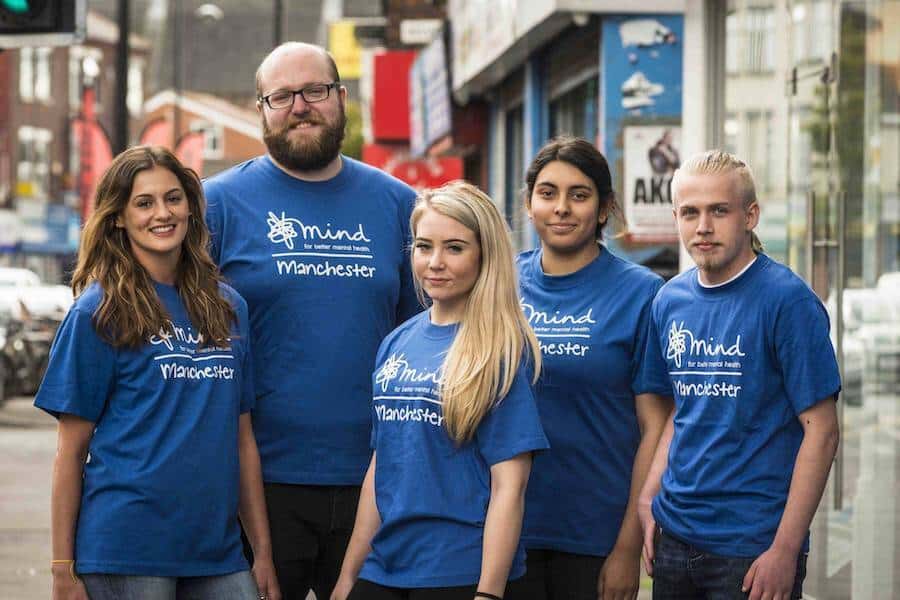 Manchester Mind fundraisers
Since 1989, Manchester mind have been committed to helping and improving the lives of people with mental health needs. Their purpose is to create a space where mental health comes first, believing that everyone deserves to be supported in their mental health needs.
Delivering care and good-quality services for over 35 years now, Manchester Mind knows the people of Manchester well and value the commitment of their staff and volunteers who work hard to ensure that their services are delivered to Manchester in a way that enables people to be seen and heard in the way that they deserve to be.
A few of the Manchester Mind team, Tara Kinsella (welcome and Access Team Service Manager) Elizabeth Simpson (CEO), Gemma Burgis (Welcome Team manager Mary Taylor) Craig Almond (Data Services), Sian Carroll (Mental Health Practitioner) spoke to I Love Manchester about loneliness in the city and its impact.
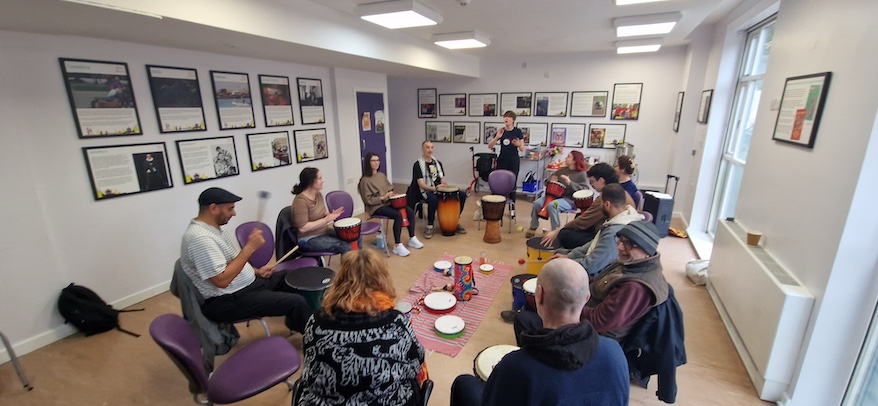 Manchester Mind community event
Loneliness in Manchester
Manchester Mind offers a range of services designed to ease loneliness and build connection across the city. Their Welcome Team provides a listening ear and guides people to the right support, while Listening Ear offers up to eight phone sessions for those who struggle to leave home.
For people in crisis, in-person Mental Health Support Sessions offer immediate help, advice and peer support. The charity also runs online and in-person peer groups, from walking meet-ups to walking football, giving people a safe space to meet others with shared experiences.
Practical support is central too: the Advice Service helps tackle issues like debt, housing and benefits, which often sit beneath feelings of isolation. And for those ready to take a step forward, a wide range of volunteering opportunities help people build confidence, skills and genuine community.
In Manchester, where loneliness can feel overwhelming, Manchester Mind is proving that connection is powerful, and that no one should face isolation alone.
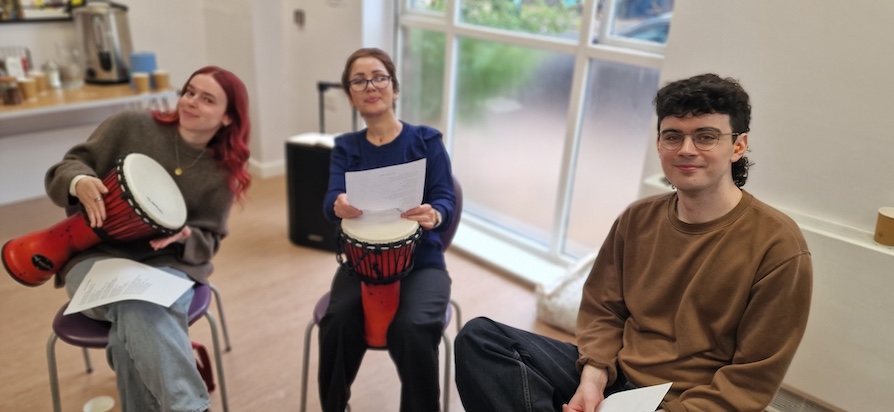 Manchester Mind volunteers
The severity of loneliness
The Manchester Mind team stressed that loneliness is no longer a private struggle, it’s a growing public-health crisis.
“There is increasing evidence that loneliness is a serious public-health issue,” they said. “The Mind Big Mental Health Report highlights the deep impact mental health problems have on social relationships.”
According to the report, 87% of people say their mental health has affected their relationships, with 74% feeling more isolated and 65% feeling misunderstood by friends or family. Nearly half report reduced contact with relatives, and almost as many say it leads to more conflict at home.
This isn’t only emotional, it has lasting physical consequences. Research from the Mental Health Foundation shows prolonged loneliness is linked to a 26% higher risk of early death, alongside increased rates of heart disease, stroke, dementia, depression and anxiety.
And younger people are far from immune. ONS data from January 2025 shows 40% of adults aged 16–29 say they feel lonely “often” or “some of the time”, a higher rate than even those aged 70 and over..
The reality of loneliness
When we think of loneliness, we often picture someone in a quiet home or a remote area. However, people living in large cities like Manchester can be especially vulnerable to loneliness. Despite being surrounded by thousands of people, many individuals feel disconnected and unseen.
In cities, people tend to come and go more frequently, making it harder to form lasting, meaningful relationships. The fast pace, constant movement, and overwhelming business can heighten anxiety, especially for those unfamiliar with the area or without a strong support network.
Crowds don’t always equate to connection. In fact, being surrounded by strangers can intensify feelings of invisibility and isolation.
At Manchester Mind, we believe that loneliness stems from a lack of meaningful connection. This can be due to physical isolation or a deeper emotional sense of disconnection—even when someone appears socially active. It’s a complex issue with many contributing factors.
Manchester Mind volunteers
The Manchester Mind volunteers work hard to ensure that the services they provide are inclusive and welcoming.
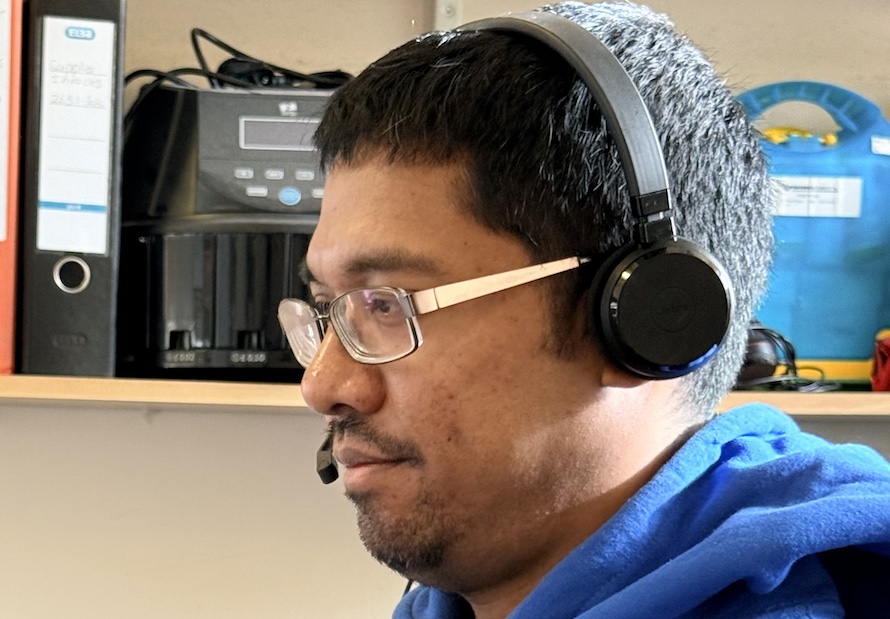 Volunteer Darren on the phones, Mcr Mind
Gemma, the Welcome Team Coordinator told us how she recently supported a young man who moved to Manchester for work. She said: “Despite having a good job and strong family ties in the South, he found himself spending most of his free time alone.
“Through Listening Ear sessions, he explored ways to connect and eventually joined a local running group. He now feels more confident navigating the city and has built a social routine that works for him.”
Contributing factors to loneliness
Manchester Mind explained that loneliness isn’t caused by one thing, it’s shaped by the way we live now. Technology, for example, keeps us constantly connected yet often emotionally distant; a world of messages and notifications that can’t replace the warmth of being face-to-face. Young people, especially, feel this tension, always talking, but not always truly seen.
For those in mid-life, the landscape has shifted in different ways. Traditional social spaces have disappeared, replaced by apps and online groups that don’t always feel natural to those who grew up without them. If friendships weren’t firmly in place already, finding new ones can feel like learning a new language.
Work life plays its part too. Remote jobs and unemployment can strip away everyday interactions, the casual chat in the office kitchen, or the small routine of seeing familiar faces on a commute. And with rising living costs, many people move frequently or work long hours just to stay afloat, leaving little time or energy to build meaningful relationships.
Even the physical fabric of community has changed. The slow disappearance of local pubs, libraries, churches and community centres means fewer places where people can simply show up and feel part of something.
And for older residents, loneliness can creep in quietly as life changes, partners pass away, mobility slows, and social circles shrink over time.
These forces don’t look dramatic on the surface, a new job, a new flat, another busy week, one less pub on the corner, but together, they make it easier to slip through the cracks, and harder to climb back out again.
Stories from the frontline
Manchester Mind staff see loneliness every day. One shared how their mother lost most of her friends during the pandemic, with mobility issues and the closure of her local social club leaving her isolated. Another spoke about an older man whose wife moved into care and who lost his dog; working at 69 is now his only source of social interaction, and he finds the nights hardest.
Through services like Listening Ear, Manchester Mind often provides the only meaningful connection some people have each week, sometimes a simple phone call is enough to make a difference.
How to get help when you’re lonely
Manchester Mind encourages anyone struggling to reach out. Their Welcome Team offers a safe, supportive space and can help connect people to peer support, community groups, or other local organisations. Small steps, saying hello to a neighbour, visiting a café, joining a group, volunteering, or exploring online communities, can open the door to meaningful connections.
In an emergency, call 999, and for support outside office hours, The Samaritans are available 24/7.
Manchester Mind Helpline: 0161 769 5732 (10am–3pm, Monday–Friday). Voicemails are usually returned within 24 hours; emails within 48 hours. Tips for young people and adults on managing loneliness are available on their website.
Girlhood
Girlhood is Manchester’s largest girl community which initially started as Girls Who Walk Mcr and has now flourished into an inclusive community for all women to connect.
From building new connections through walks, runs, coffee mornings and a variety of workshops, Girlhood is booming into a real space that allows for people who are craving the real connections behind the glare of the phone screen.
The co-founders of Girlhood: Grace Baker, Ellie Wain, Clare Hollingsworth and Charley Maisie, spoke to I Love Manchester about the journey of Girlhood and how they’re building a successful community space for women to build real connections and friendships for life.
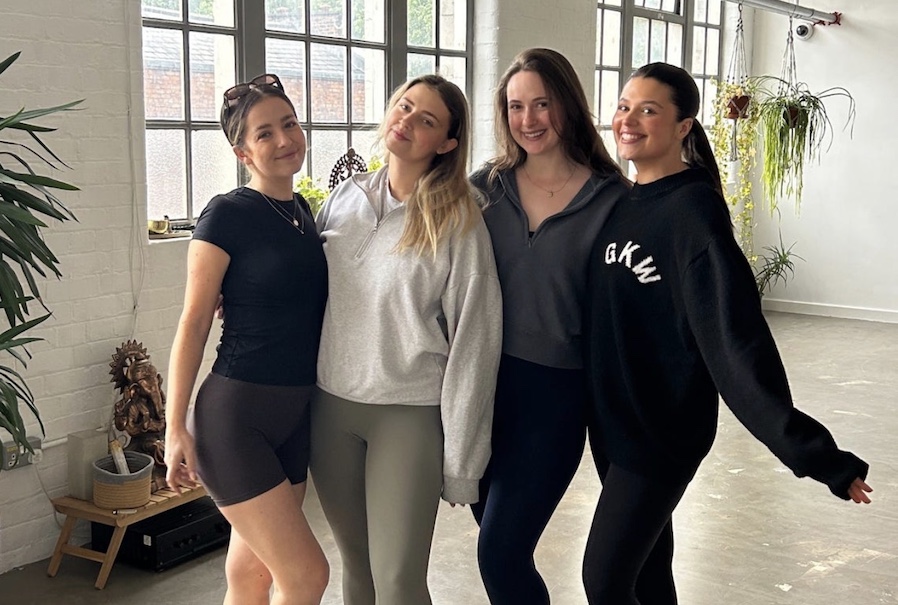 Girlhood co-founders: Ellie Wain, Charley Maisie, Claire Hollingsworth and Grace Baker
Each of the girls expressed how Girlhood is also a place for them to connect and be a part of something bigger. They’re also just girls, who all came from different parts of the UK (and Claire moved all the way from America) to build a life in Manchester, connect and flourish through the power of community.
Although they explained that your 20s can be a scary era in life, they expressed it can also be an exciting opportunity to step into the unknown. To meet new people and make new connections. Girlhood is so successful because they are their own target market.
Girlhood hold all kind of events, Grace Baker told us, “We do everything from supper clubs, creative workshops like glass painting, candle painting. We do fitness classes, trialing new sports. As well as coffee, mornings, runs, walks and everything in between.
“We even run retreats in the UK and abroad, so there really is something for everyone. And I think a nice thing as well is we’re always asking our community what they want to see next. And a big part of that is we have a team now of 40 ambassadors or so we can put like messages in the chat and say, what do you think about this and they help us shape it because they are the community, they’re our audience that we want to listen to.”
Safety in numbers
Female safety is at the heart of Girlhood, with violence against women and girls being declared a national emergency in 2024. Having a safe, inclusive and welcoming space to connect with other women is crucial in tackling any fears females may experience when wanting to step into the unknown and join a community.
The biggest motivation for each of the girls is to create a safe space for women to connect and build each other up. All humans want is to feel connected related to and heard, which is exactly what Girlhood hopes to achieve through their community they’re constantly building together.
What once started as a walk with 50 girls, has now grown into a beautiful space where 350,000 women have connected for the same reason: community and friendship. The co-founders described Girlhood a “warm, welcoming space for girls to come together, make friendships and memories together.”
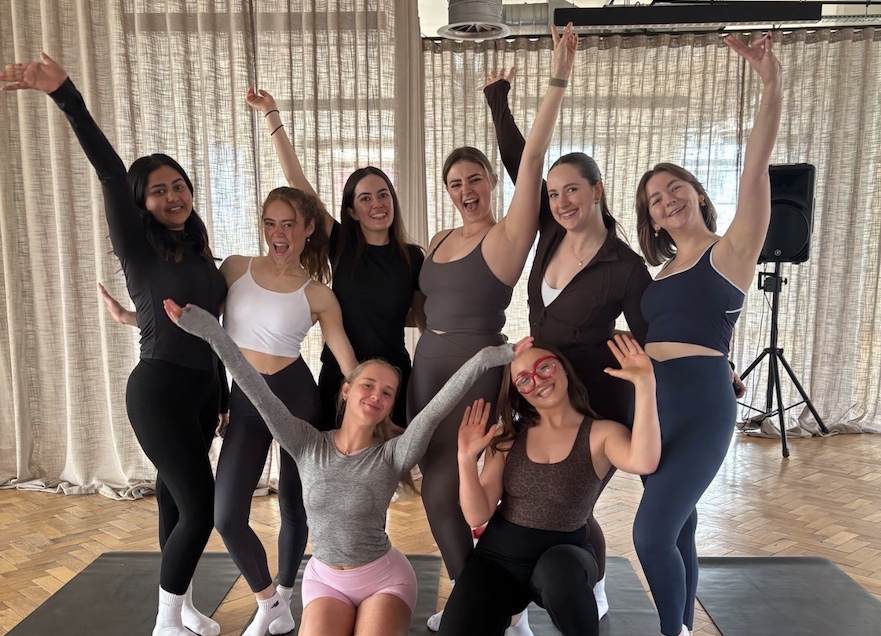 Girlhood community
The need for human connection
Co-founder Ellie Wain explained that she believes loneliness to come in different shapes and forms, and that loneliness is particularly present when people are chronically online and constantly consuming other people’s highlight reels on social media.
The need for real-life social connection can often be masked by online social media connection, where the craving for human contact can never be fulfilled through a phone screen.
“The real magic is when women can get together, and see themselves reflected so honestly in other people. It’s a reminder that you don’t have to show up perfect all the time.”
Ellie told us, “Girlhood helps to prevent loneliness by giving women a space where they can show up unfiltered. Where they can show up like exactly how they want, the version of themselves where they don’t feel like they have to perform.
“While we love it being a space where people can connect, swap Instagrams, make new friends and things like that. I think the real magic is when women can get together, and see themselves reflected so honestly in other people. It’s just a reminder that you don’t have to show up perfect all the time. There’s so much authenticity in just showing up as yourself and not being compared to people online.
“In a world where there’s so many kind of like unrealistic expectations of women Sure. On kind of like how we look, what we achieve, how we live. Girlhood aims to bring everything back to reality a bit and create that connection that I think a lot of people do crave.”
All four of the girls run Girlhood alongside their 9-5 jobs. They carry so much passion and dedication towards Girlhood and are keen to continue to build a safe space for women, creating friendship, connection and community.
They hear their community, and they deliver for them.
Moving to Manchester
Co-founder Claire Hollingsworth moved to Manchester from America, leaving her friends and family behind to embark on her new journey in the UK.
Claire explained the importance in female friendship, support and community for herself when she came here alone. The power in being surrounded by empowering women, was a key factor in Claire making Manchester a home.
 Girlhood community
“Girlhood has made a foreign country feel like home”
She expressed how women are village-based people, who thrive in community and being empowered by liberating women that surround them. Claire shared her experience with loneliness, “Before Girlhood, I felt so isolated and alone because I had no one else to share my life with.
“And now with Girlhood, it’s the opposite for me. It’s a group of women not feeling like they have to compete with each other. At Girlhood I have truly never been around a more supportive, uplifting community. And I think if you are around women who don’t actually compete with each other, we are the number one supportive group of people.”
Girlhood prides themselves on celebrating women, and the co-founders are the true Girlhood success story. They didn’t know each other before, but now they are inseparable. Claire added: “Girlhood has made a foreign country feel like home.”
Girls connecting in a natural way for them
At Girlhood, they’re eager to provide a wide range of events for the girls of Manchester. They know how challenging it can be to know exactly what you want to do and want as a hobby. You can often end up wanting to do it all, which is why Girlhood is the best place for you to explore new hobbies.
“We do something for everyone”
Connecting over a common interest is one of the best ways to make a new friend. Claire told us: “With Girlhood, that’s why we do so many different types of events. For girls to connect with each other in a way that is natural to them. So if you are an athletic person and you want to do a spin class or run club because that’s what you’re interested, you can do that.
“Or if you’re brand new to it and want to be in an environment where you can try something new, that’s also great. Same if you’re a creative or a foodie or you know, whatever.
“We do something for everyone. And I think one thing that I always love to do is, um, at events whenever I can and like the introduction, I ask people to raise their hand if they’ve come here on their own. I think like 90% of the girls raise their hand, and I feel like there’s just such a shift in the room after that because everyone knows like.”
Everyone is in the same position, everyone wants to meet their people in a safe space. Girlhood provides a great way to break down the loneliness epidemic, one female event at a time.
Girlhood’s advice on tackling loneliness
Statistics show that stepping out of your comfort zone boosts self-confidence by proving to yourself your capabilities, improving your response to strength and enhancing mental health through resilience and sitting through temporary discomfort.
“Remember that there’ll always be a place for you at Girlhood”
Charley Maisie offered her advice for when you’re feeling lonely and wanting to go out of your comfort zone, but feel apprehensive. She told us: “Before signing up or even attending an event, it can feel so nerve wracking. But collectively, our biggest piece of advice is to just put yourself out there. So many good things come the second that you step out of your comfort zone.
“And I think while it can be gut wrenching and all of the anxiety can come up beforehand and you start thinking, ‘oh do I really wanna do this?’, at Girlhood I can promise you’re walking into a room of genuine people that are in the exact same position as you.
“People that want to make friends, they want to try new things. They want to explore more of Manchester. That’s not just true for not just girlhood, but communities across Manchester. Try them out, step out of your comfort zone and see what sticks and what works for you.
“And remember that there’ll always be a place for you at Girlhood as well.”
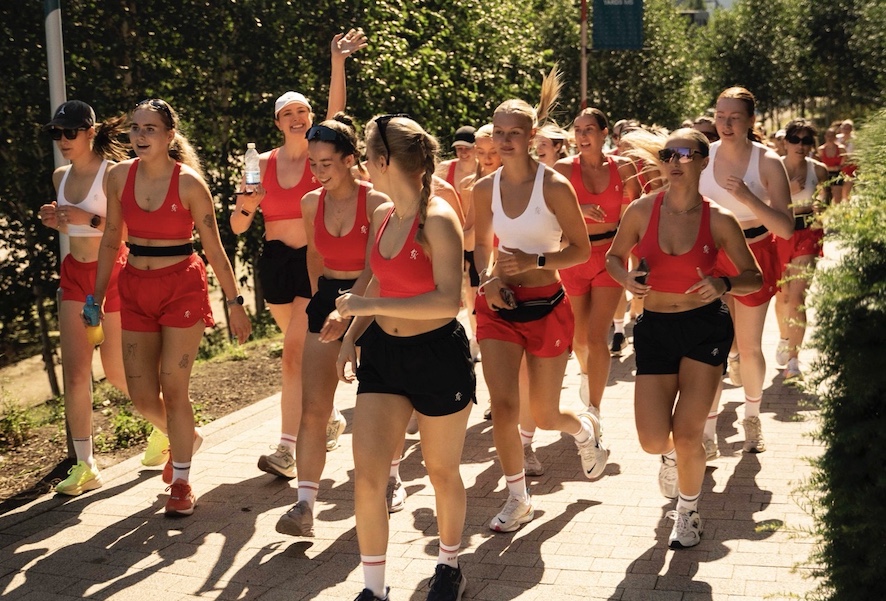 Girlhood run event
Humans of Girlhood
The Girlhood community has flourished beyond the girls’ wildest dreams, which means they have made a positive impact on several women’s lives. Real women, who have experienced real benefits from stepping into the Girlhood community.
Ellie Wain and Charley Maisie spoke of a touching story of a girl who joined the girlhood community, initially apprehensive and nervous of the prospect of the community.
She told us: “One standout, individual, for us is a really lovely girl. She joined Girlhood by coming along to one of our walks and made friends was really nervous prior to it. She’d moved to Manchester for a grad scheme, so literally knew nobody and made friends at Girlhood.
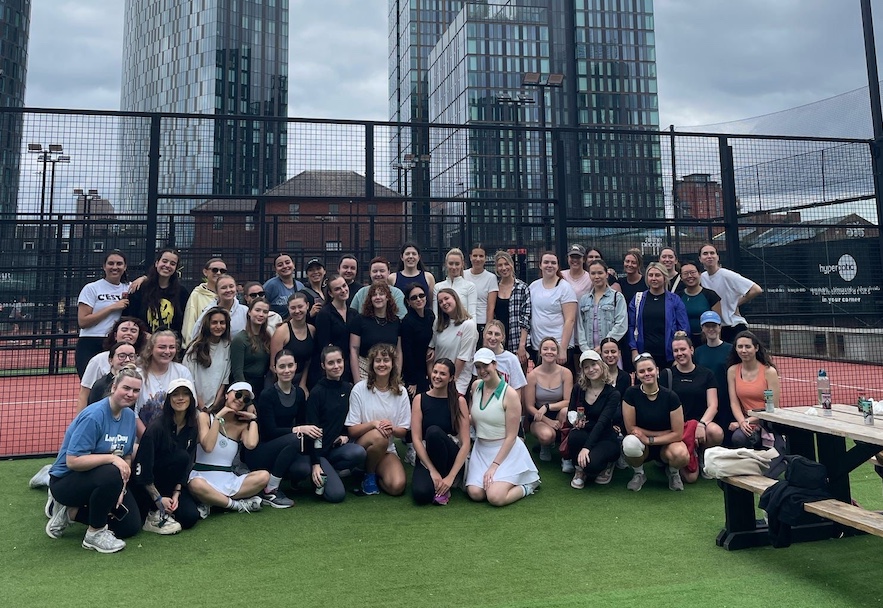 Girlhood community
“She ended up coming on our retreat last summer which led to even more friendships made, and now she said she is eternally grateful for girlhood because she says that she’s kind of met her like future hens when she gets married. They go on holidays together and they are genuinely the best of friends.
“And this girl is now an ambassador, so she’s a part of that team.”
How to join Girlhood
The girls told us that they’re always looking for new girls to join their community, and feel less lonely in the city. Ellie told us how Manchester girls can get involved, “We have a WhatsApp community that people can join and talk with girls before coming to events, and after.
I think also, again, like being an ambassador, we, we’ve seen other journey’s from being a member of the community and then letting us know that she wanted to give back to Girlhood too. We’re always looking for people to help out at Girlhood. So, becoming an ambassador is also always an option.”
They’re always looking for new people to join and at the end of the day, girlhood only works because of the people that are in it. So, every new person that joins Girlhood adds a new story and then a new perspective to like the community. And that’s what keeps Girlhood so real.
You can follow Girlhood on Instagram, to keep updated with new events and become a part of their community by joining their broadcast channel to get exclusive event information and have a girly chat.
Dungeons and Flagons
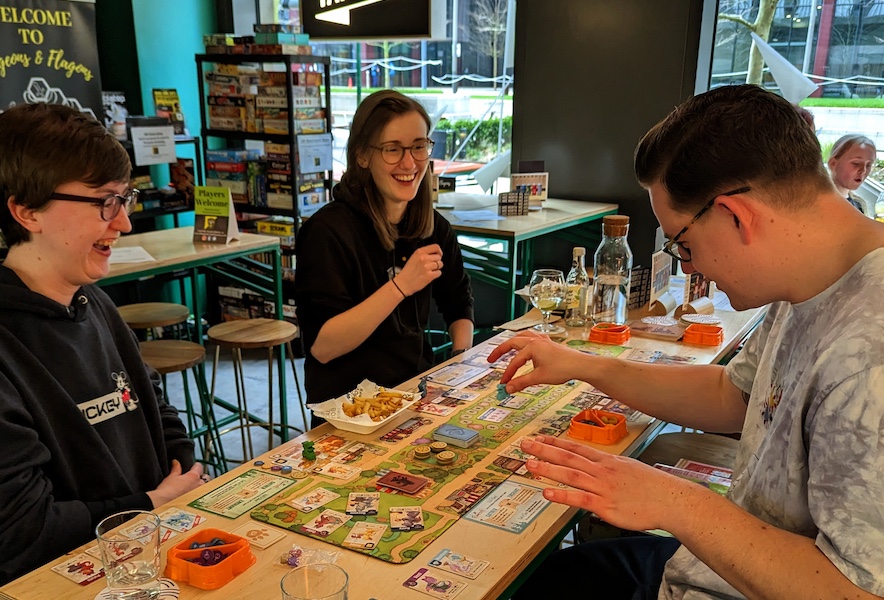
Dungeons and Flagons is a Manchester-based independent company that organises a variety of tabletop board game events for a wide range of people; from casual players, to the experiences gamers.
Offering an inclusive space for anyone to attend, Dungeons and Flagons is a place for connection away from the light of a monitor and an animated profile picture on reddit. They host regular pop-up board game nights at different venues, larger weekend events, and their flagship annual event, the Manchester Board Game Festival.
The group’s mission is to bring people together and create a welcoming community through the love of gaming. They host a wide range of events from their board game nights, which have evolved into their ‘weekenders’, which has flourished into the Manchester Board Game Festival.
It’s an ever-growing community which has seen real-life connection built from laughter over a board game on a cosy October Tuesday evening.
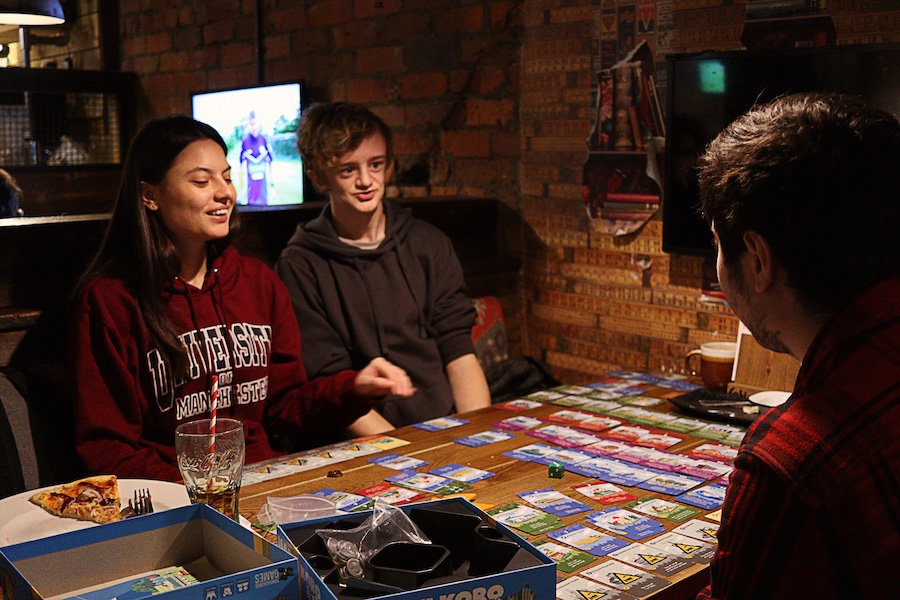 Dungeons and Flagons board game night
Board games act as an ice breaker
James Oxley, founder of Dungeons and Flagons, started to build the community back in 2017 after graduating from University. James pitched the idea of a games night to the manager of the pub he was working at. He wanted to share his love for board games and build a real-life group friends from that, rather than fawn an interest in football like he had during school.
James explained that a lot of gaming groups tend to meet online and there can often be a facade of a connection which is actually void of any in person contact. Often, we can be so trapped behind a screen that we forget how it feels to have physical conversations.
That’s why Dungeons and Flagons is so important to James, being able to break down the illusion of social connection that we have formed online. He said: “I prefer meeting people face-to-face. That’s what’s great about board games, you sit across from real people, talk, laugh, and play together.
“Even though you can now play many games online, including Dungeons & Dragons, it’s not quite the same. Playing in person feels more meaningful, it gives you that physical, human connection that screens can’t replace.
“A lot of people don’t realise how much time they spend alone. They might talk to friends every day on their phone, but they’re still staring at a screen. What we do gives people a reason, almost an excuse, to get out, meet others face-to-face, and do something they love. It’s a win-win.”
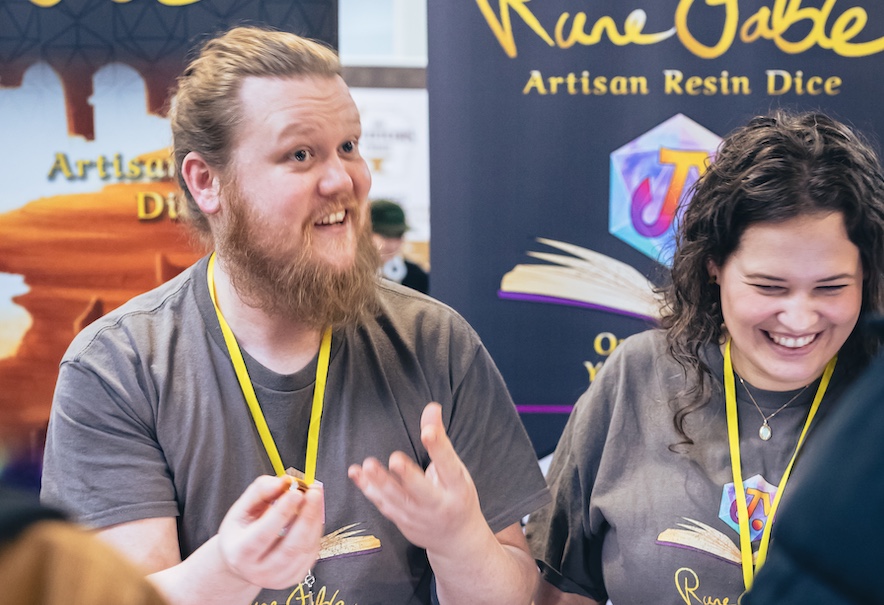 Dungeons and Flagons Geek Fayre
James told us how they also run a night called ‘Speed Gaming’, which is like platonic speed dating. The event begins with playing a game for half an hour, then your table swaps and you get to meet a new group of people. It’s less about the game, and more about the people you can meet when playing it.
He continues to explain how board games can act as brilliant ice breakers, without the awkward ‘3 facts about yourself’ trope that typically comes along with ice breakers. Board games allow for barriers to break down and for people to suddenly ease into it.
Welcoming spaces in Manchester
James explained how Dungeons and Flagons has worked hard to become a welcoming space, for anyone who wants to become a part of it, to come along. He reminded us how the people who organise events, actually want you to be there. They won’t turn you away!
“Board games became a way to switch off, be present, and reconnect with others”
He explained how most people come alone to Dungeons and Flagons events and that it’s encouraged to do so. Some people come to catch up with friends that they’ve made there, or as a way to connect with new people over board games.
James told us that the biggest benefit of being a part of the community is the real life connections, he said: “You’re actually in a room with people, across a table, having a real conversation, all while doing something you enjoy.
“After the pandemic, there was a huge boom in the board gaming industry. People were spending their entire day staring at screens for work, then moving to another screen in the evening. It’s not good for the brain. Board games became a way to switch off, be present, and reconnect with others.”
Dungeons and Flagons have become a space for people to connect and feel a part of something bigger than the loneliness they feel inside. To broaden their horizons and make friends for life.
James told us of a standout friendship connection that he has witnessed grow and flourish from the events he holds. Saying, “When we worked with the MMU Students’ Union, we used to run a weekly student night there, and later the university itself hired us to run events open to all Manchester students.
“We held a speed gaming session during Freshers Week, a chance to meet people through short games. A group of first-year students came along, met through one of the games, and started coming back every Tuesday as a group. By the end of the year, they told me they’d decided to get a house together.”
The students had previously told James they had been nervous about moving to a new city, but the board game night gave them a way to meet people naturally. That’s exactly why think activities like this are so important, not everything at university has to revolve around alcohol.
Join the Dungeons and Flagons community
Become a part of the community and express your love for board games with like minded people in Manchester.
You can keep up to date with events listings and information about where they’ll be each week by visiting their website here.
The Manchester Board Game Festival takes place every two to three months and people can get involved via the website, Meetup.com, or just by turning up. Everyone is welcome.
Manchester Poetry Library
Libraries are a place of peace, calm and warmth. A welcomed silence and pause, amidst the chaos that a city can bring. Libraries are also a space to tackle loneliness. A community hub which can act as a form of activism, against social exclusion and injustice. Library spaces have been proven to reduce loneliness.
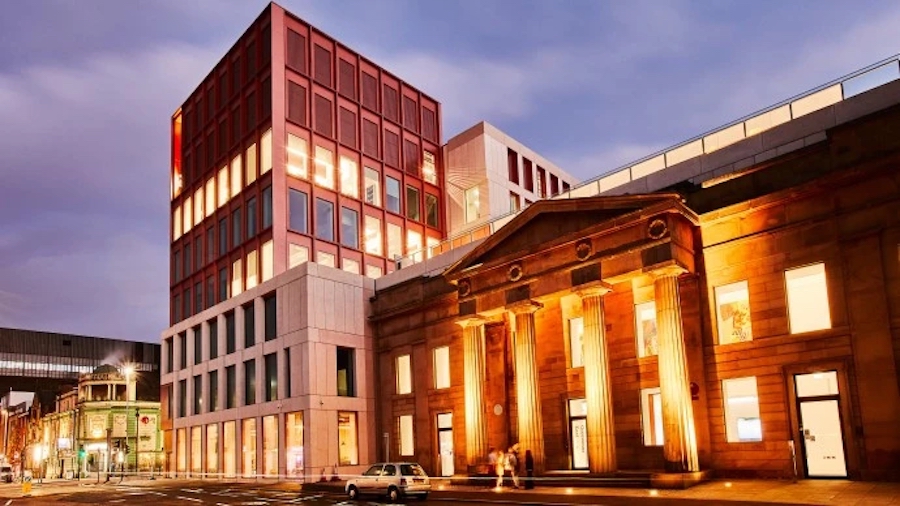 Manchester Poetry Library
Manchester Poetry Library is based in the heart of Manchester, a UNESCO City of Literature and is the North West’s first public library, which is free and open to all to come, join and explore what they have to offer.
They are developing an extensive collection of contemporary poetry from books to recordings, in multiple languages. They aim to create an exceptional poetry research centre, a space where poetry belongs to everyone, and can be enjoyed and celebrated. They recognise the value and impact of poetry on individuals and communities.
Connecting through creativity
Manchester Metropolitan University nursing lecturer, Chris Seymour is a spoken word poet who teaches scenario-based learning using poetry for the nursing students at Manchester Metropolitan University.
He expressed his passion for using creativity to connect, which is is why he uses the arts in collaboration with the clinical curriculum.
Chris told I Love Manchester about the passion and creativity that drives the Manchester Poetry Library, he said: “Meeting Martin, Becky and the team at the poetry library, they work so hard to celebrate creativity, culture, community and inclusivity, it’s really inspiring.
“I used to teach creative reflection workshops when I was working at Manchester Royal Infirmary relating to staff sense of belonging, and wellbeing, then had an idea to do something similar at the poetry library.”
That’s how his event ‘Break The Silence’ came about, with eight workshops having been run at the library already.
Chris explained how they have regulars who come who are from all over greater Manchester, ages from 19 to 80, from different cultural backgrounds and all now part of the Break the silence-Manchester poetry library community.
Personal experience with loneliness
Chris opened up about his own experience with loneliness when he moved to University and how it felt simultaneously surreal and overwhelming being surrounded by so much busyness and noise, but feel so alone at the same time.
You can feel anxious and vulnerable, even in spaces when you could feel community but not knowing anyone is a major barrier. I found that meeting people in spaces where there were established communities of creativity helped me. Music scenes, collaborative spaces and events too. That’s why the poetry library is such a special place, its doors are open to anyone and truly inclusive.
‘Break the silence’
Break the silence is a poetry workshop where you attending is all you need to do. Even if you don’t write a word, your presence is all that is needed.
It’s an event which has been crafted to allow for a welcoming space for anyone to get involved.
“I feel so lucky to have heard some of the performances at Break the silence, the regulars are so talented”
Chris said he always starts each workshop by reassuring people there’s no pressure to perform or create if they don’t want to. He explained that Break the Silence is designed to be fully inclusive, welcoming everyone “from professional touring poet to complete novice.”
He said that everyone takes part in the same exercises, beginning with a fun game, “sometimes it involves drawing”, before moving on to two set themes each session. “For example, Love and Failure,” he said. Participants are then given the chance to write about those themes and, if they wish, share their creations, first with their table, then with the wider group.
“Every time anyone chooses to share, we give them a round of applause,” Chris said, adding that he’d been to “tons of open mics and poetry nights” but felt lucky to have witnessed some of the performances at Break the Silence. “The regulars are so talented.”
He added that each session ends with what they call mic stand revelations, “essentially an open mic where anyone can perform anything, not relating to the themes of the workshop.”
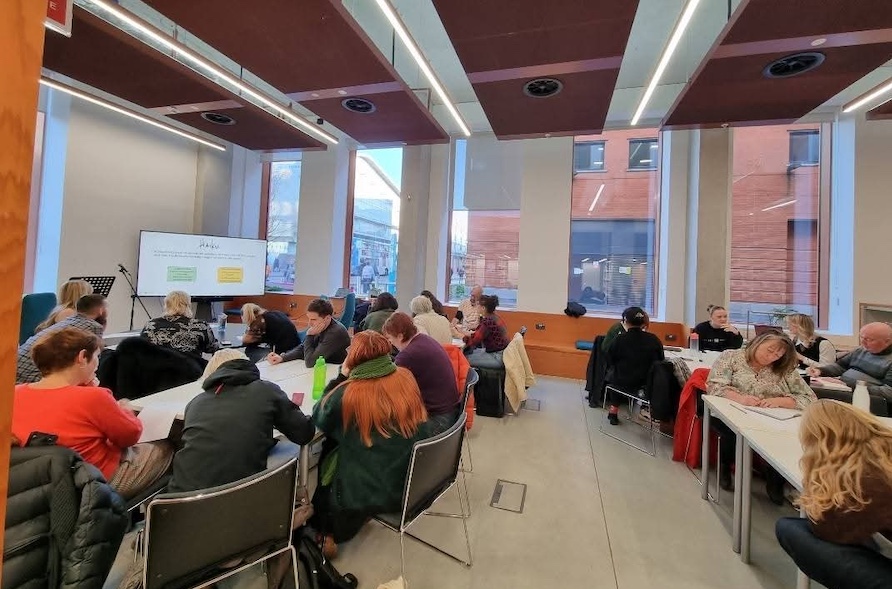 Break the silence
Break the silence is free for all to attend, you can book via Eventbrite, or you can just turn up, all are welcome.
An attendee who benefited from joining
Chris shared a touching story with us, about one of the attendees who was initially apprehensive about coming along to one of the events, but who has now flourished into a regukar who is confident in their poetry ability.
“It’s been an awesome thing to see, and I’m proud of them”
He added: “They were particularly anxious and later in that workshop explained to me they are in the process of being assessed for neurodivergence, and also, that they had been having a really rough time in work.
“They came to Break the silence to see what it was about and didn’t feel confident to be involved at that time but felt happy to stay, hear the poems and chat to me as facilitator/host.”
“They have now been to three of the workshops and plan to come to more, since their first workshop they have started writing their own poetry in the workshop, they play the games at the start of the sessions, they have even left their job and are starting a new course soon.
“Their whole demeanour has opened and there are moments of happier confidence that was nowhere to be seen the first workshop. It’s been an awesome thing to see, and I’m proud of them.”
DJ Club Mcr
DJ Club Mcr, is a community-led inclusive initiative which supports aspiring DJs through workshops, open decks and events. A fun space for anyone to get involved and become the next Charli xcx.
What began as a Partisan Collective and a way for people interested in learning to DJ to come together, has quickly become a community space where people can use the proper DJ equipment, develop their skills and express themselves freely.
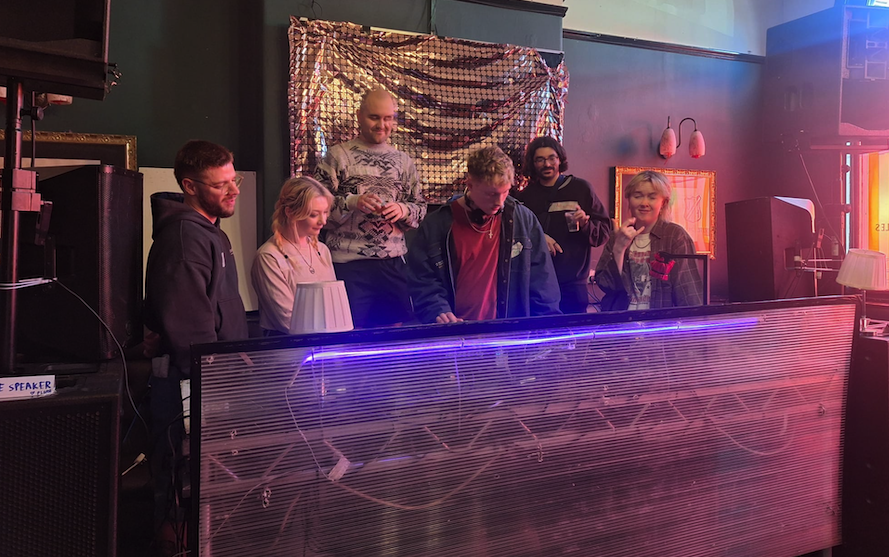 DJ Club Mcr
I Love Manchester spoke to co-founder Jay Burgoyne about her experience building and continuing to create DJ club over the years and what it means to her.
She explained how the community has expanded and grown since the start of the DJ club journey: “A lot of my really close friends in Manchester still are from those meet ups. We were limited to Partisan members at that time but have since expanded on our own and we are meeting more people than ever before now.
“The community changes and expands faster now, but we are always there for people who want to meet new people, learn to mix and nerd out about music.
“We spend a large portion of our time now putting on events and looking for ways to push those who come through our doors into the wider community through external local opportunities which has been amazing to watch people flourish.”
How music tackles loneliness
Studies have shown that music therapy is related to a reduce in loneliness and social isolation. Music helps to connect and to form genuine communities based on common interest.
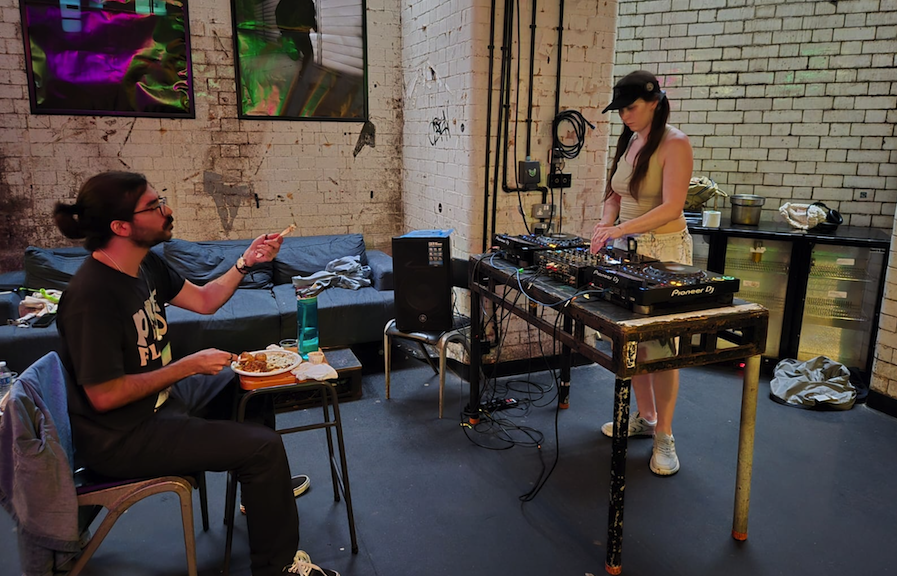 DJ Club Mcr
Jay explained her experience with loneliness and why she got involved. Most of her close friends had left the city she was living in and she felt lonely and as though she needed to meet more people who were passionate about the same things.
“You never know who might really need a community”
She told us how she was but I was super nervous, but how DJ club gave her a new perspective on the city and access to a side of it I felt like I didn’t know how to explore before.
She added, “I’ve had so much fun and part of the reason I am still involved is we constantly get people coming through the doors who have just moved here, or had a big life change and want to explore something different and it reminds me how important having something like this was for me.
“I think thats true of all of us who run it now. We do lean towards providing opportunities for underrepresented groups within music as we want to improve access for them, having experienced issues in the scene ourselves, but its not exclusively those groups as you never know who might really need a community.”
Safe and inclusive space in Mcr
It’s easy to start to feel lonely in any big city, there is so much to do but when you go to an event or gig it’s hard to make friends especially if you are on your own.
Jay spoke of a friend of hers who moved away to a city where she didn’t know anyone and once described feeling like she met so many people on nights out and enjoyed seeing them time and time again but sometimes she just wanted to go for a coffee with someone or watch a film, people are afraid to take the leap to establish a friendship even if they appear to be out all the time.
Jay said, “Its hard and vulnerable, I don’t really know why. Thats why its important to have spaces that can facilitate that, DJ club tries to create a safe environment specifically for music and nightlife for people to meet and feel comfortable to break down those barriers.”
Feeling a part of something
Through DJ club, Jay has made many genuine connections and has also found her partner through the space she has built at DJ Club Mcr. It has also heloped her to feel a part of something that she has never experienced before.
Jay went on to tell us how she has always been quite a shy person, and how DJ Club has allowed her to gain perspective on how important what they do is. Initially it was just for them, but expanding out has been the best thing they did and they love how that happened so naturally just because what they were doing was fun and bringing people a lot of joy.
Be a part of DJ club mcr
To keep updated on dj club, they post all our signs ups through their Instagram page @djclub.mcr. They host beginner dj workshops on a regular basis, alongside some other workshops occasionally too such as radio workshops in partnership with Steam Radio, and we do some intermediate DJ workshops such as 3 decks and hopefully very soon vinyl.
In terms of events, they host open decks once a month on a Sunday. Sign-ups are through a google form and they just aim to have a great time, inviting people to play and having a dance and a chat on a Sunday at the DBA in Manchester who graciously host us for free.
Jay added: “It’s a very friendly space and if we don’t recognise a face one of the organisers will usually introduce themselves and try to make you feel at home.”
Students and loneliness
Manchester is home to six universities, with students making up for over 100,000 of the population, which means that Manchester the third UK city with the highest student population. The streets are full to the brim of students making their way in a brand new city.
In terms of loneliness in students, they are particularly affected. A 2025 survey shows that 37% of students feel lonely during their first term of university, with the average drop out rate in the UK being 6.3%.
Loneliness within students can be reduced through joining societies and connecting with like minded people, and build in-person connections and find a community for you.
MMU Fashion Society
Manchester Metropolitan fashion society is a community which aims to unite like-minded students who are interested in fashion, creative direcruon, styling, marketing, zine creation and more. It’s an accessible creative outlet that can open doors for students wanting to build a portfolio at University.
Fashion society treasurer, Immy Burgess, and social sec, Evie Iris spoke to I Love Manchester about the community that they’re helping to build there.
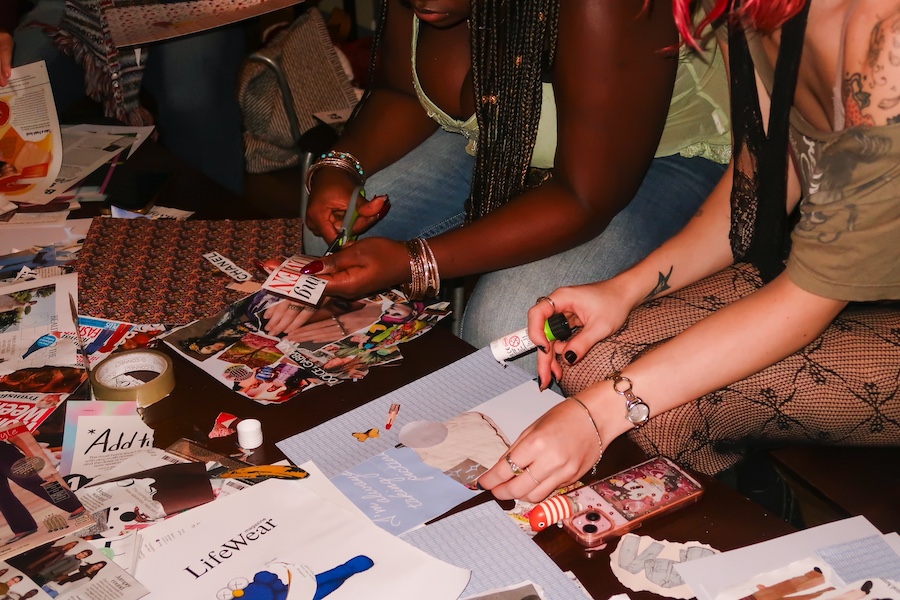 MMU fashion society event. Image credit: Hannah Davidge
Non-drinking events
Imogen told us how the fashion society have pledged to put on more events which are specifically fashion focused, and a general removal from the typical university society. They aim to make it a welcoming place to all regardless opf whether you drink or not.
Imogen added: “We have had drinking socials at local Manchester bars and our halloween party was earlier this week, but we had a vision boarding social where we provided magazines and the members cut them up and set their intentions for the year and next week we have a fashion film screening.
“We just want it to be a community where everyone feels comfortable to come and for it to feel less anonymous than it has in previous years.”
Evie also said that, as a student themselves, they can understand the importance in bringing the ‘second-wave’ to a society, where anyone can feel like they can get involved. She said, “Fashion is a hobby for so many people that don’t study at MFI, and as Immy said we wanted this year to feel more like a community than a pressure.
“My favourite social we have done so far this year was definitely our first poster making night at The Salutation. It was just a great start to the year, and I am continuously proud of the work that we poured into making that environment warm. It was so refreshing to just see people talking outside of their friend groups, getting each other’s socials and just having a good time.”
A place for people to be themselves
MMU fashion society is a place that they try to make as comfortable as possible, a place where people are free to be themselves and bridge the gap between online and in real life connections.
Evie described the society as welcoming, informative and enjoyable. Telling us how as MFI students themselves, they know how hard networking is in an industry like fashion, and it can feel daunting trying to bridge the gap and push yourself out there- that’s why we are such advocates for making the society feel like you’re constantly gaining from it.
At the events, people can feed off of each other, share insights, and hopefully gain some in the future with external speakers.
Evie added: “It always comes back to the saying of ‘it’s not what you know but who you know’ that I feel is so important, especially as we are all emerging creatives wanting to break through that cycle.
As students themselves, the girls spoke of their own experiences with loneliness and how places like the fashion society are a great place to reduce those feelings of loneliness.
“You’ll never know who you might come across if you don’t try, and I think that is a mindset that I had going into my first year that helped a lot”
Pushing yourself out of your comfort zone is proven to allow room for growth and to make new connections. Imogen said: “I do think that you have to get yourself out there. I understand completely that it’s a scary thing to do and I sympathise with those more introverted people but you do need to be in these sometimes uncomfortable situations to find your people.
“As I said, the society was where I met so many amazing cool people last year and I really credit the society committee of last year for putting on these amazing in real life events where talking to people is natural and fun. “
Evie sympathised that being a student can be a daunting time for some people and how being thrown into a new city can be really lonely. However, immersing yourself in a community can be so beneficial to making your experience more worthwhile.
Community is a big part of the both of their student experiences. Evie told us, “Being a student can be so lonely, and going to the society/freshers fairs, keeping up with events on social media around where you are can be a game changer.
“You’ll never know who you might come across if you don’t try, and I think that is a mindset that I had going into my first year that helped a lot. Now I have the most amazing friends who are equally a great support system, I know I’ll have them for life.”
Radically accepting space
Imogen described the fashion society as a ‘radically accepting space’ where anyone is welcome to join and be themselves. She explained how the community is a place where people want to know each other and make genuine connections.
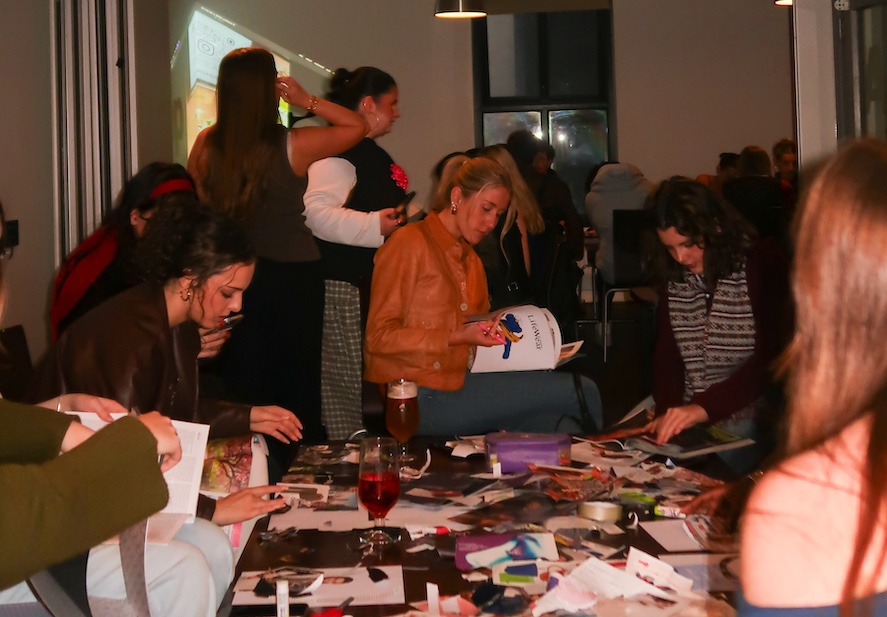 MMU fashion society, credit:
“I feel proud when I see people engaging with the instagram, coming to multiple events, posting about the society and being genuinely excited to be part of this community with us. It really wouldn’t be a community without our members trusting us and coming along to actually make the community themselves.”
She added: “I feel so at home in the society, which is kind of a strange sentiment but I do feel like I can go and talk to anyone, its my favourite thing to do ever to just walk up to a group and start chatting.
“Keeping the events safe and fun and engaging is the top priority for us, we don’t want to lose their trust and their attendance, not from a numbers standpoint but because I truly believe each person adds so much to the society I’d hate to lose any of that.”
Get involved
Any MMU students, not just fashion students, can get involved in the society. You can join the society through the union website, or message the Instagram page @mmufashionsoc.
Once you join, there will also be a link sent to join their community group on whatsapp where we will post social info, and people can post callouts for assignments and portfolio work too.
You’re never alone
If you, or anyone you know is experiencing loneliness then you can receive help from Manchester Mind here.
Samaritans are there to support you. You can reach out to them here.
As always, if anyone is experiencing a mental health crisis please know you’re not alone and you can call 999 any time you need.