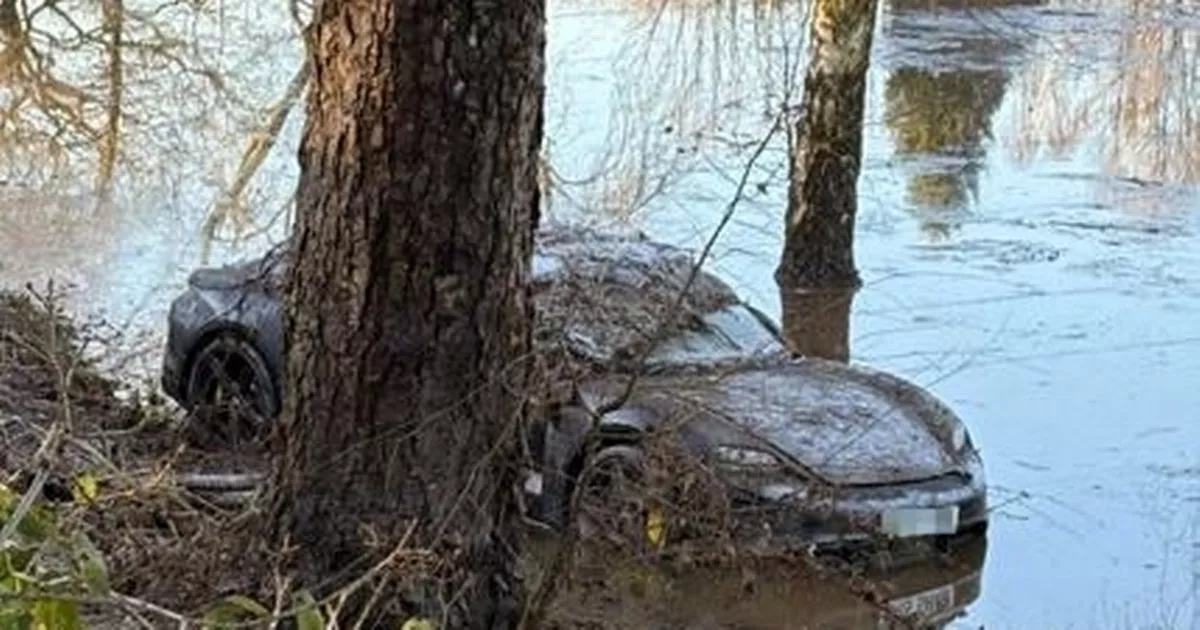
“The timescale we are looking at means there’s probably another flood event before the vast majority of the work is done”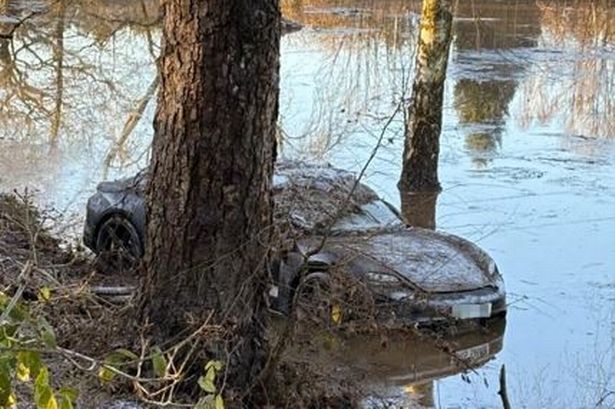 The Porsche stranded on the Northenden Golf Club course(Image: Russell Miller (submitted))
There are fears Manchester ‘probably will flood again’ before prevention work to avoid repeating the New Year’s Day floods.
Huge amounts of rainfall starting on New Year’s Eve 2024 meant some rivers and canals reached their highest-ever levels on January 1, 2025, leading to widespread flooding in Didsbury, Northenden, Castlefield, and Harpurhey.
The floods forced hundreds of people out of their homes and devastated businesses in the area. The total cost of flooding was between £1-2m, a new legally-required council report said.
Join the Manchester Evening News WhatsApp group HERE
But west Didsbury councillor John Leech believes the true scale of the financial damage was much higher, and fears Manchester could see a repeat before preventative work is completed.
“In the report the financial impact is estimated at £1-2m, but Withington Golf Club have got £1-2m of damages themselves,” the Manchester Liberal Democrat leader said at a council executive meeting on Wednesday (November 12).
“The actual costs are vastly underestimated. By doing that there’s a danger the recommendation work is not prioritised and resources are not prioritised.”
He went on: “I think forecasting has been vastly underestimated. One thing that needs to happen is to get more accurate information going forward.
“I think we need to get a grip on United Utilities and the Environment Agency in terms of what work is required. I do not have confidence we will get resources spent. With my discussion with the Environment Agency, it does not appear Greater Manchester is a priority area for funding.
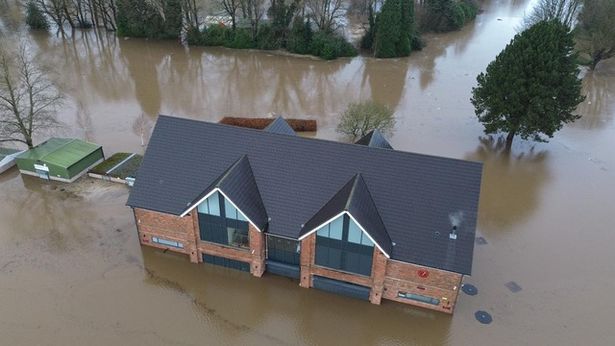 Northenden Golf Club was completely devastated by the New Year’s Day 2025 floods(Image: Northenden Golf Club)
“The timescale we are looking at means there’s probably another flood event before the vast majority of the work is done.
“We need to put pressure on the government to fund the Environment Agency. But we also need to put pressure on the Environment Agency and United Utilities.”
In response, the council’s director of highways said: “The financial impact is a snapshot in time.
“The [figures] could be reflected if we bring an updated report on the actions. Future business cases for the Environment Agency will look at actual costs rather than those in the report.
“They are just in there for context. Actual costs will be taken into account when the business cases are outlined.”
He added: “There’s emerging technology around AI which can be used for flood warnings. We will be making sure with the Environment Agency that Manchester gets its fair share.”
Council leader Bev Craig added a new system involving bringing in more data from the Met Office for a fuller forecast of flooding: “It became apparent there’s a disconnect between forecasting for the Met Office and the Environment Agency. When Kevin Hicks talks about the new system, it’s two systems that talk to each other.
“New Environment Agency staff will give a sense check to warnings as they develop. This is the first new system they’ve had for 30 years.
“We have been pushing the warning [point] with the Environment Agency. Electricity North West has great forecasting. We have asked for a data sharing agreement to get a more holistic view.
“We have raised the point for business compensation. Myself and the mayor [Andy Burnham] have written to the minister.”
Following the floods, the Environment Agency carried out emergency fixes to destroyed embankments, and has since done permanent repairs to the levies around the River Mersey in Didsbury and Northenden.
It also ‘amended flood warning thresholds to ensure people at risk of flooding are warned appropriately’ which should ‘give people time to act’.
But it appears pressure will stay on the agency and water company, as Coun Craig added: “They have made a commitment to do a joint asset review before winter kicks in. We have banged the drum for investment upstream.
“There are lots of lessons lots of agencies have to learn around using info, how info is shared, and how you respond. But this issue is only going to get worse, so there’s an imperative of time. We are now all too aware what was once in 100 years is now statistically happening most years.
“I would like us to bring back a coherent action plan that’s multi-agency and has the buy in from agencies we are often at the mercy of.”