
Ronan Mc Laughlin
Disclosure: BMC covered my travel and accommodation for factory visits and in-person testing sessions as part of this editorial project. Beyond those logistics, there is no financial arrangement between Escape and BMC or Tudor Pro Cycling. Neither organisation has editorial control over this series. Neither saw any drafts of this article before publication, nor did they have approval rights. The reporting, analysis, and conclusions are entirely my own.
Two years ago, I attended a private press briefing for the new BMC Speedmachine triathlon/time trial bike in a former major bank vault in Frankfurt. The bike was first spotted under a Tudor Pro Cycling rider at The Tour de Romandie earlier that spring, and during that briefing, we learned how Red Bull Advanced Technologies’ aerodynamics and engineering expertise, combined with BMC’s bike knowledge, had created a fast bike.
Fast forward 18 months, and I’m in a Microsoft Teams meeting with BMC discussing a new TT bike project and an opportunity for Escape Collective to follow the development process. Initially, I wasn’t particularly interested, having covered numerous development cycle stories, but BMC’s proposal offered a whole new level of access.
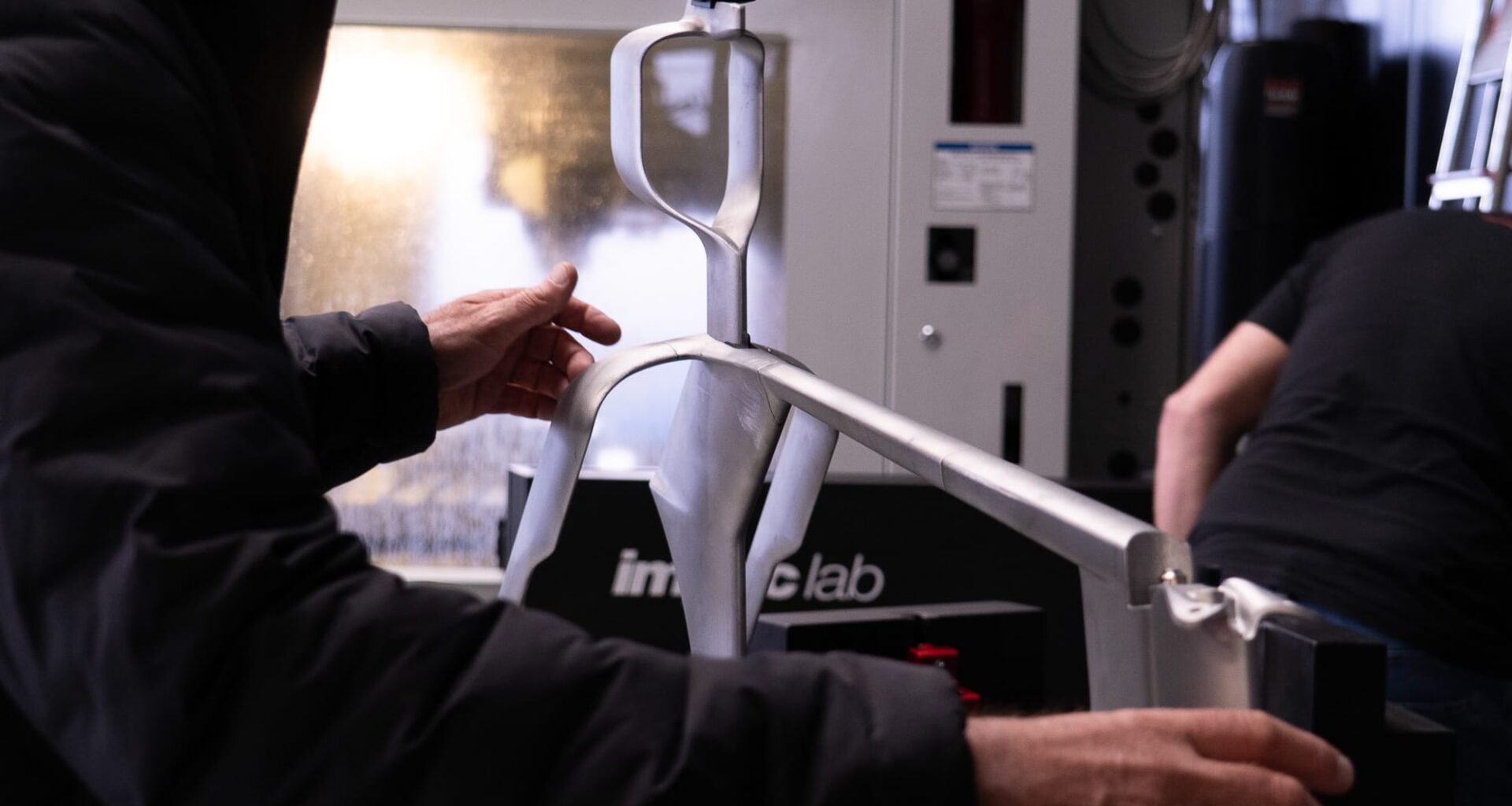
I’d be “getting in” when BMC was still working with 3D-printed prototypes, long before anything existed in carbon. I’d have access throughout the process as it unfolded, not after.
Sure, some elements of the development had already happened; I couldn’t exactly be invited to follow a project that didn’t yet exist. But I was there early enough to take you inside a major development cycle and that was my motivation. We’ll follow the bike’s development in instalments and, over the course of this series, you’ll see the work before the launch, and I’ll be your eyes, ears, and, eventually, test dummy.
There are easier ways for brands to tell this story. The traditional path is to sketch a bold frame shape, book a tunnel day, declare victory, and unveil a story with a high-profile bike rider. More recently, CFD and tunnel testing have become essential R&D tools, but the story is often shaped after the fact, with small details conveniently left out.
This is not that. And that is why I said yes.
BMC invited us because it wanted to show the process as it happened and promised “warts and all” access. I agreed because that access is almost unheard-of in this sport, and because it offered a chance to show what cutting-edge performance development really looks like before it becomes a marketing slogan. It is not perfect or completely free of commercial interest; even if not a single frame is ever sold, telling this story benefits BMC and Tudor. But, this is the closest I have heard of to truly seeing behind the curtains.
Large chunks of that process have already taken place, but we’re still months from the finished product and official launch for the new BMC TT bike – this will be the first time the world is even aware BMC are developing a TT bike. I’ve dipped in and out of the project since, through ups and downs, successes and setbacks we might otherwise never have heard of.
In this first instalment, you’ll see how the project began, why BMC and Tudor needed a new TT bike, how they set their targets, and how the first digital and 3D-printed prototypes took shape, before later parts reveal the aero testing, first rides, and final performance results.
 Another TT bike? We already have one two
But hang on a second. Didn’t BMC just make a new tri/TT Speedmachine? And don’t they already have the Timemachine? What’s wrong with those, especially the Speedmachine, launched two years ago with input from Red Bull Advanced Technologies? That project pulled expertise from the engineering arm of the most successful F1 team of the past five years, and the bike looks as fast and modern as anything out there. So why start over?
Long story short, triathlon and time trials have drifted apart, especially at the pro level. Perhaps they were always just a marriage of convenience – both needing a bike with aero extensions – but in reality, they’ve very little else in common. The new SpeedMachine was developed for storage, stability, and performance at ~45 km/h, the same speed at which the existing Timemachine was developed a decade ago, when that speed was relevant to WorldTour time trials.
However, a WorldTour time trial today is typically won at speeds of 55 to 60 km/h. The existing Timemachine TT platform was once a standard bearer, but it’s a relic of the rim brake era adapted later for disc brakes, which left, as BMC’s head of R&D Stefan Christ describes it, a few “blind spots.”
For Tudor’s riders, the tri-focused Speedmachine’s stability came at the cost of responsiveness. They wanted a bike that turned in sharper and felt like an extension of their road bikes rather than one optimised for holding a straight line at Kona.
All told, when Tudor Pro Cycling representatives met with BMC, they were blunt: We need a faster TT bike for the speeds that matter today.
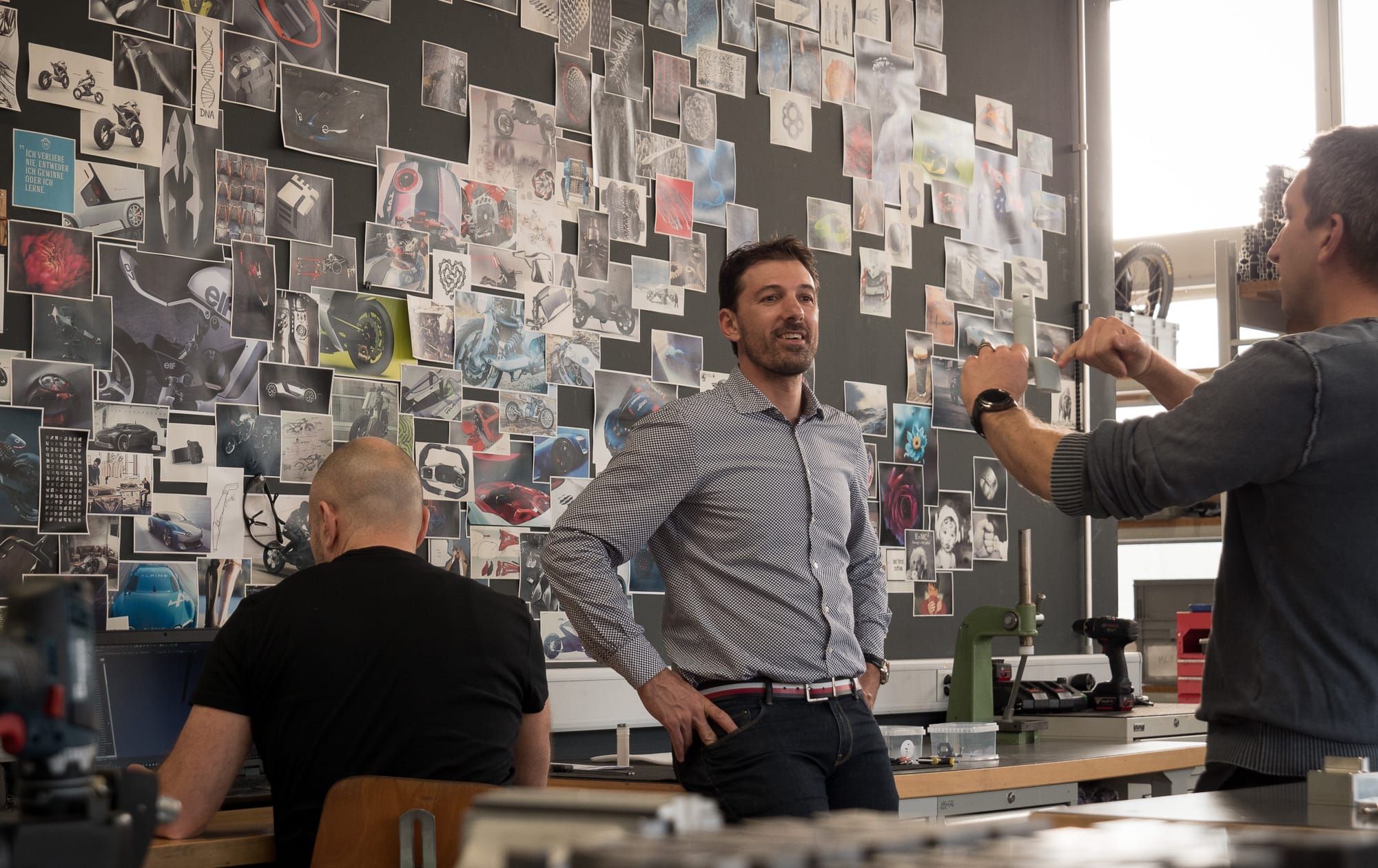
The first conversations began in December 2023, five months after the Speedmachine launch, with formal project sign-off in March 2024. That agreement committed BMC to developing a new time trial bike, but it also marked a shift in how performance bikes are conceived and a glimpse into the future of the sport.
The era of manufacturers working in isolation, simply collecting rider feedback and occasionally inviting them for test days but effectively developing a new bike alone and with one eye on the commercial market could be numbered at the cutting-edge end of the sport. On the BMC project, Tudor wasn’t just providing subjective feedback or test riders; it was a true R&D partner from day one, leading on CFD and aero development long before any marketing story began.
What Makes Tudor Pro Cycling Different
To understand why this project is different, it helps to understand why Tudor itself is different. While most WorldTour teams now have sports scientists and aerodynamic support, Tudor has built something closer to a race-team R&D department – engineers, data scientists, and aerodynamicists working directly with manufacturers from day one rather than feeding back after the fact. Heck, they even have a “skinsuit guy” on staff with a PhD thesis on skinsuits. I’ve been following the team’s progress since long before this project, intrigued by the staff roles and hires it was making.
This post is for paying subscribers only
Subscribe now
Already have an account? Sign in
Did we do a good job with this story?
👍Yep
👎Nope