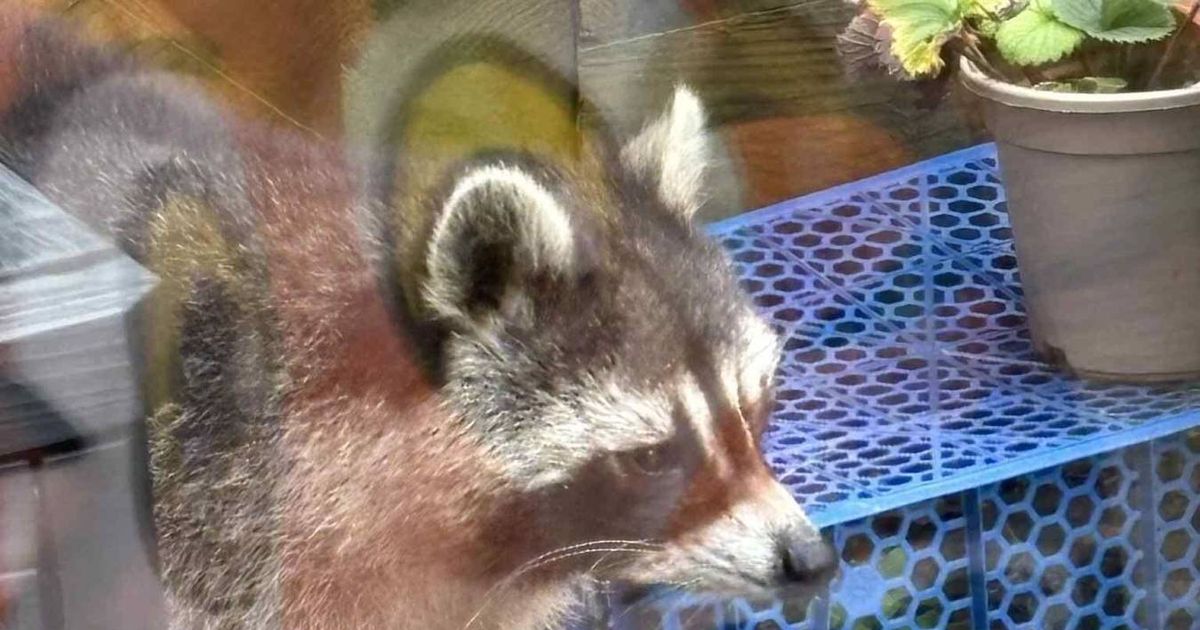
The animal, usually found only in north America, was first spotted in a garden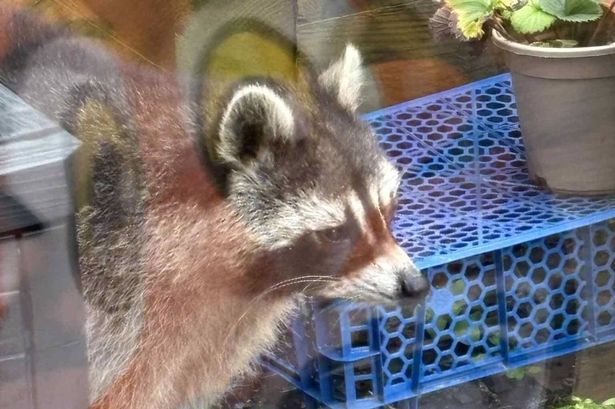 The wild animal, native to North America, as seen roaming freely in the garden and peering into a home(Image: Hayley Fairburn)
A raccoon has become the latest unusual creature to be spotted wandering freely in Cornwall, just days after a flamingo made an escape from a local wildlife park. The furry intruder was first sighted in a garden in Gwennap on Thursday, 13 November, sparking a search operation.
Footage and photographs captured by local resident Hayley Fairburn depict the foreign animal exploring her garden and peering into her home, much to the surprise of her barking dog inside.
Hayley reported the sighting to the RSPCA, triggering an urgent search for the creature, typically native to North America. Local zoos and wildlife parks have reportedly confirmed that all their raccoons are accounted for, leaving the origin of this particular animal a mystery.
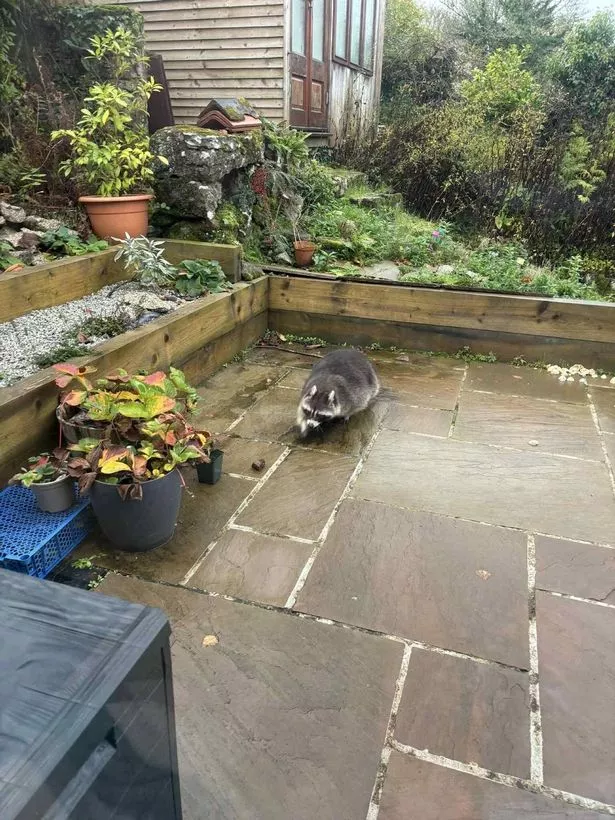 The raccoon was spotted in a garden in Gwennap on Thursday(Image: Hayley Fairburn)
The RSPCA Cornwall branch posted a warning on Facebook last night: “Please be aware that a raccoon has been spotted on the loose today in the Gwenapp area. We have contacted the relevant agencies and specialists. If anyone contains or safely secures the raccoon, please call the RSPCA national helpline on 0300 1234999.”
It is understood that the animal was later discovered in a neighbouring greenhouse, with the RSPCA, a veterinary nurse and a vet all arriving to assist. The charity collected the raccoon shortly after 6pm, reports Cornwall Live.
The incident follows hot on the heels of the widely-reported Frankie the Flamingo saga, which triggered a week-long search after the bird fled from Paradise Park in Hayle. The young flamingo, dubbed a “naughty teenager” by staff, was subsequently spotted on the French coastline, appearing content and in good health.
Paradise Park workers, who had been extremely concerned, have now confirmed they won’t be retrieving Frankie from France, instead choosing to allow her to remain in her newfound habitat.