Planning officials must incorporate nature deeply into developments as they look to solve London’s housing crisis, a senior City Hall figure has said.
In May Sir Sadiq Khan announced plans to “actively explore” building on green belt land as another tool to solve the capital’s shortage of homes.
The move prompted criticism around previous promises to protect nature and green spaces in London.
With ministers demanding London build 88,000 homes a year in their bid to construct 1.5million new dwellings across the country by 2029, concerns around increased urban density displacing nature have also been raised.
But Abby Crisostomo, who heads up Green Infrastructure at the Greater London Authority (GLA), has said that City Hall doesn’t need to choose one over the other.
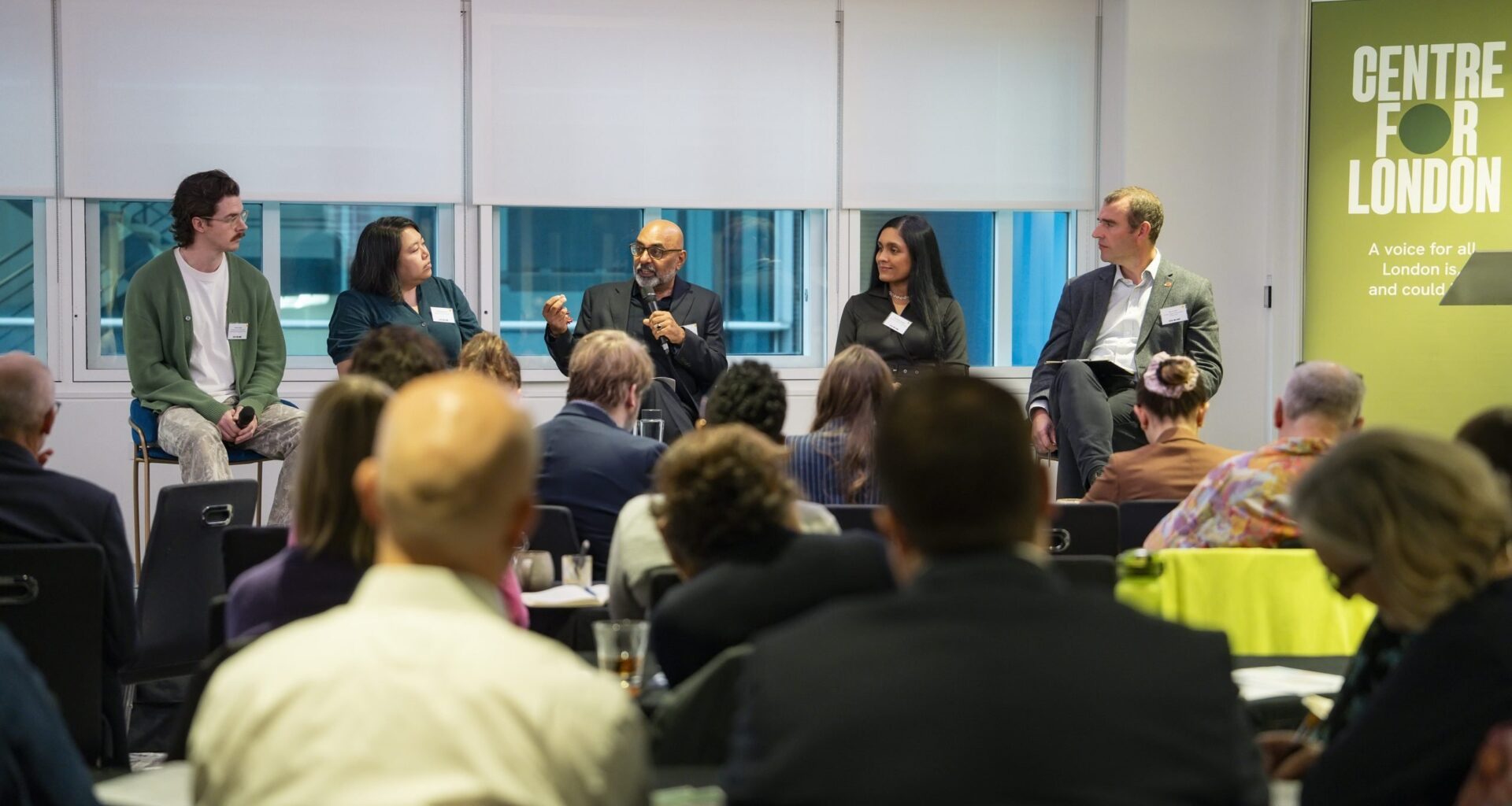
She told the Centre for London conference on Monday (10 November): “There’s been a creation of a false choice between the housing that we need and nature, and the rhetoric’s really not that helpful because we all know for a place of development to be livable and free. Health and wellbeing are fundamental for any development.
“And so you can’t just pit developments and nature against each other.
“And we have so many examples in London of where they work very well together. In many cases, development can enhance and improve nature. And there’s really so many of the major developments in London over the last decade or so have done that really well.”
She cited construction around the Olympic Park as one example of how developers can pursue this agenda as the deadline for drawing up the next London Plan – which will dictate planning strategy for years to come – in 2027 approaches.
“We are a very green city in London,” Ms Crisostomo added.
“Not all of that green is high quality, not all of it is doing a good purpose, not all is accessible to the people who need it the most.
“We’re thinking really closely as we develop a London plan about how to think about the space we need, whether that’s for housing or industrial land or green space, but also strengthening the policies that we have that make sure that developments are green.
“The rhetoric around one versus the other is what is getting us kind of distracted from actually just doing it well.”
Professor Muthu De Silva of the University of London, who also spoke at the conference, told the Local Democracy Reporting Service (LDRS): “London’s housing challenge is also its greatest opportunity: to create homes that deliver economic, environmental, and social value – simultaneously.”
Earlier this year, deputy mayor of London for planning Jules Pipe said that “housing delivery and good environmental policy can go hand in hand” despite a proposed increased use of green belt land for new developments.
The Centre for London conference also saw Minister for Energy Michael Shanks suggesting that the capital still had some way to go to decarbonise despite being a pioneer for other UK regions.
He told attendees: “London has done a huge amount to lead the way in this transition to date, but we have keep raising the bar and I’m afraid that means there is much more ambition and work ahead for us.
“London, which has been a trailblazer in many of these issues, is right at the heart of how we achieve these [Net Zero] targets.”
📩

Get the latest breaking news, roadworks, crime updates and local events straight to your inbox – totally free, every day.
SIGN UP below