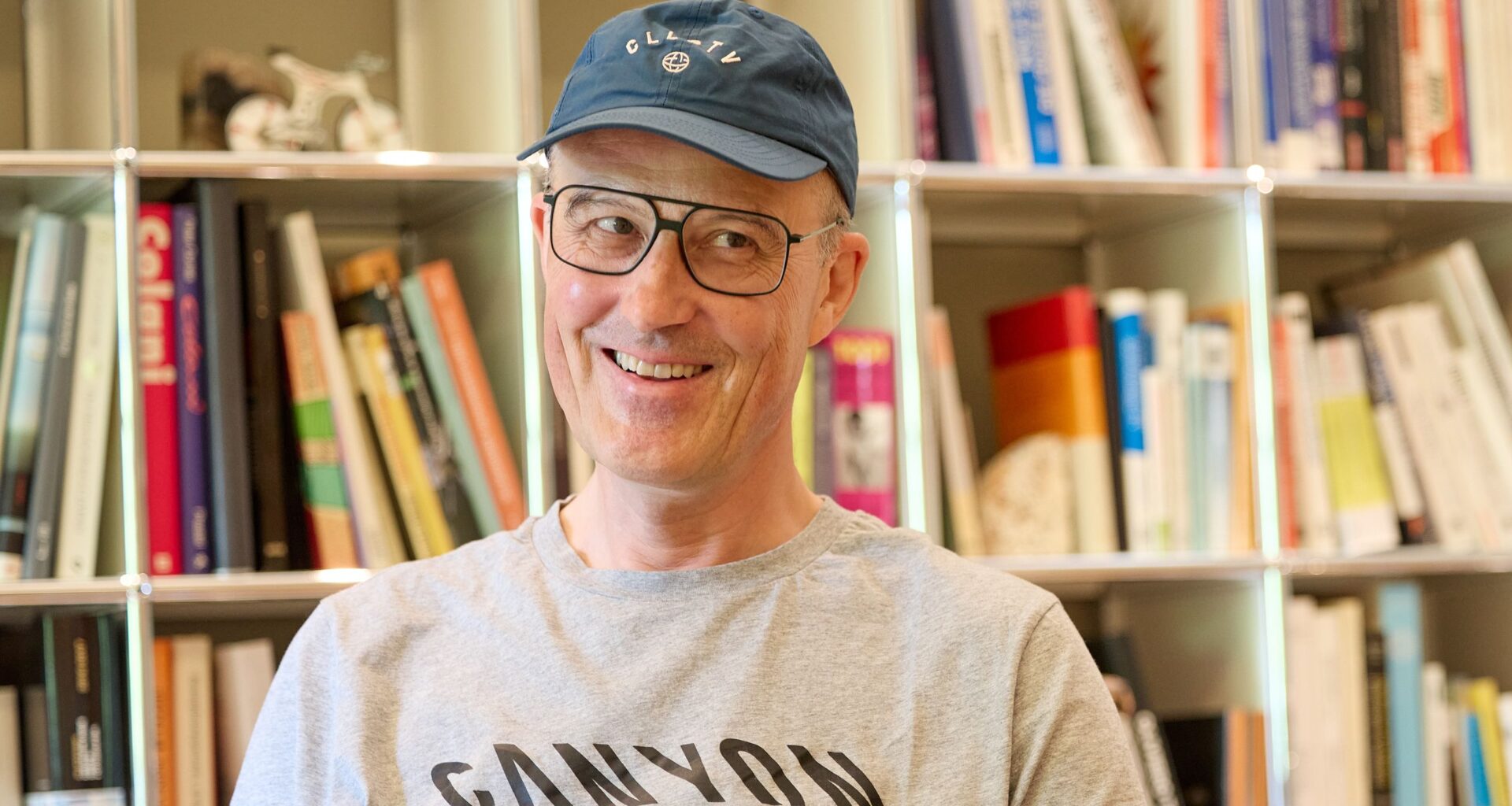
In 2020, the CEO of Canyon Bicycles, Roman Arnold, left the brand he and his brother built in their parents’ garage as teenagers in the 1980s.
A diagnosis of prostate cancer forced his hand, but following a recovery and an 8,000-mile year on the bike, the German felt the time was right to return.
You may like
But the one thing – well, three – that hasn’t changed is the brand’s WorldTour representation. Alpecin-Deceuninck (now including the women’s outfit, Fenix-Deceuninck), Canyon-SRAM zondacrypto and Movistar were then, and remain still, sponsored by the German direct-to-consumer brand.
This year is a particularly busy one, with Lotto-Soudal and Intermarché-Wanty merging, forcing Cube out, which recently announced it is replacing Enve at TotalEnergies.
All the while, Canyon’s sponsorships – which Arnold is quick to correct and call ‘partnerships’ – seem steadfast.
You may like
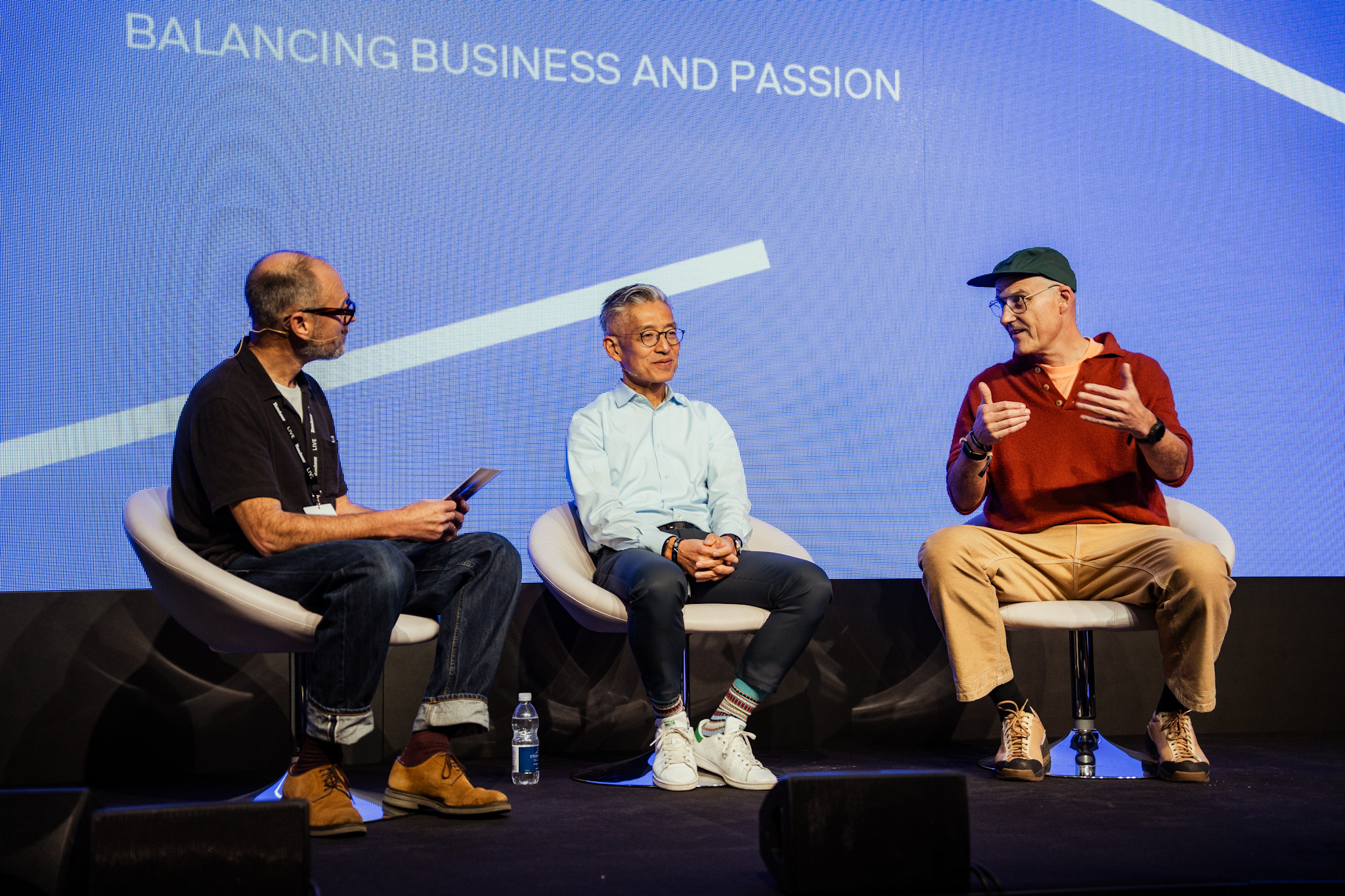
Arnold also spoke on stage at Rouleur Live alongside Zwift CEO, Eric Min (Image credit: Canyon)
I say ‘originally,’ though, because when later asked about how sponsorship agreements come to be, he delved deeper into the motivations behind why he, and the brand he leads, partners with these teams.
“Like every relationship in life, it’s ‘do we care about the same values?’ If we don’t care about the same values, we don’t want to be in a team. We’ve had requests from world-class teams in the past, but we are thinking, ‘maybe we’re not aligned on the same values.'”
These values, which he briefly suggests include a commitment to women’s cycling and the pursuit of race bike perfection, allow Canyon to make better products for “the most important person in the Canyon business,” and after my initial puzzlement, he reassures me it is not Arnold himself, but the customer.
“It’s not about money. Like everything in life, I think a good relationship works out if you are aligned in the values, what you want to achieve, and how you handle it. Part of the values for me, is if you work together… this is racing, sometimes it doesn’t work out… so you have to go through bad times.
“You cannot do this forever, but everybody wants to be with you in the good times. Sometimes, the riders don’t have a good ride, or they crash, and so on.”
Arnold reiterates that he doesn’t see Canyon as a sponsor of any of its teams, but as he earlier corrected, a partner.
“We think [ourselves to be] an essential part of the success of the team.”
But to clarify, this isn’t a novel approach nor one exclusive to Canyon, even if the German brand has a handful of strong examples of sustainable brand-team relationships.
Long-term relationships are the goal for all sponsors, be they bike brands, as in the case here, Trek’s relationship with (and part ownership of) Lidl-Trek, Specialized’s connection to Soudal-QuickStep and Red Bull-Bora-Hansgrohe, or Pinarello’s tie to Ineos, or even in the case of non-endemics, such as Movistar, Cofidis and QuickStep, who have their own respective long-term commitments to cycling teams.
With sticking-plaster solutions come anxiety and rash decisions, and with mergers and the folding of teams come job losses.
Long-term vision and commitment provide a strong foundation for any team, rather than a constant pursuit of immediate, quick-win successes. It allows long-term building, vision, and ultimately contributes to the success and security of our sport.