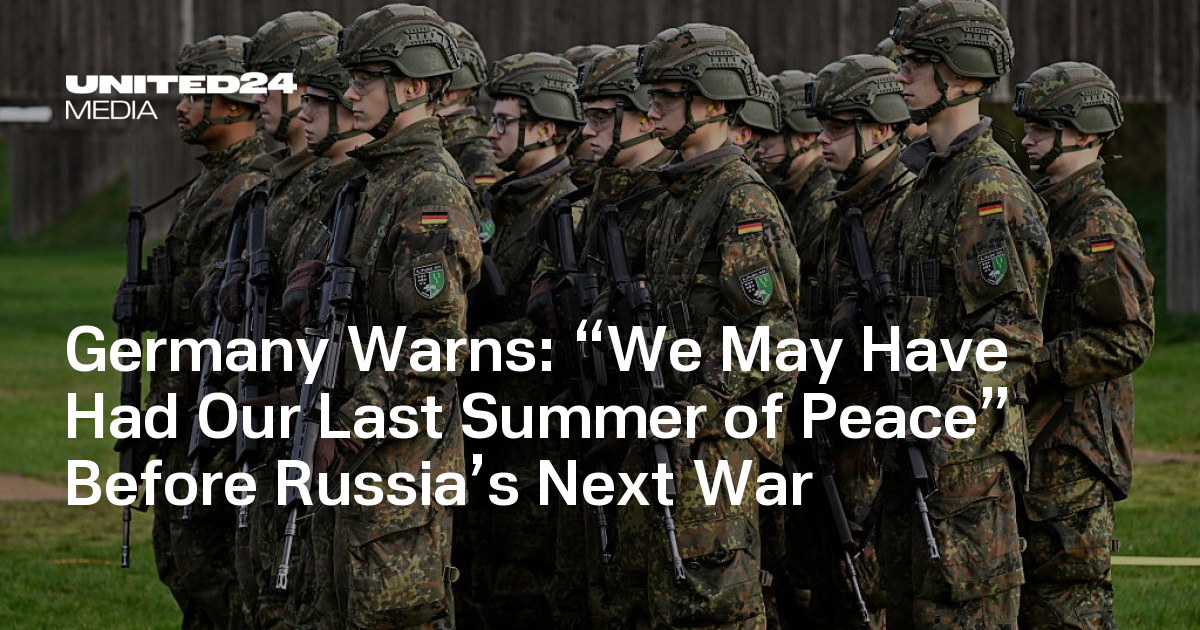
Russia could regain the capability to attack NATO’s eastern flank within just a few years, saying assessments now point to a possible window as early as 2028, Germany’s Defense Minister Boris Pistorius warned during an interview with Frankfurter Allgemeine Zeitung (FAZ) on November 15.
Pistorius said military experts and intelligence services have long estimated that Russia might be able to launch an assault on a NATO member “from 2029 onwards.” But newer assessments are more alarming, with some suggesting 2028 and “some military historians even believe we already had our last summer of peace,” he noted.
Pistorius stressed that Russia is rebuilding its forces “rapidly,” despite the ongoing war against Ukraine, and that Russian leader Vladimir Putin “makes no secret of his imperial fantasies,” in which European freedoms “have no meaning.”
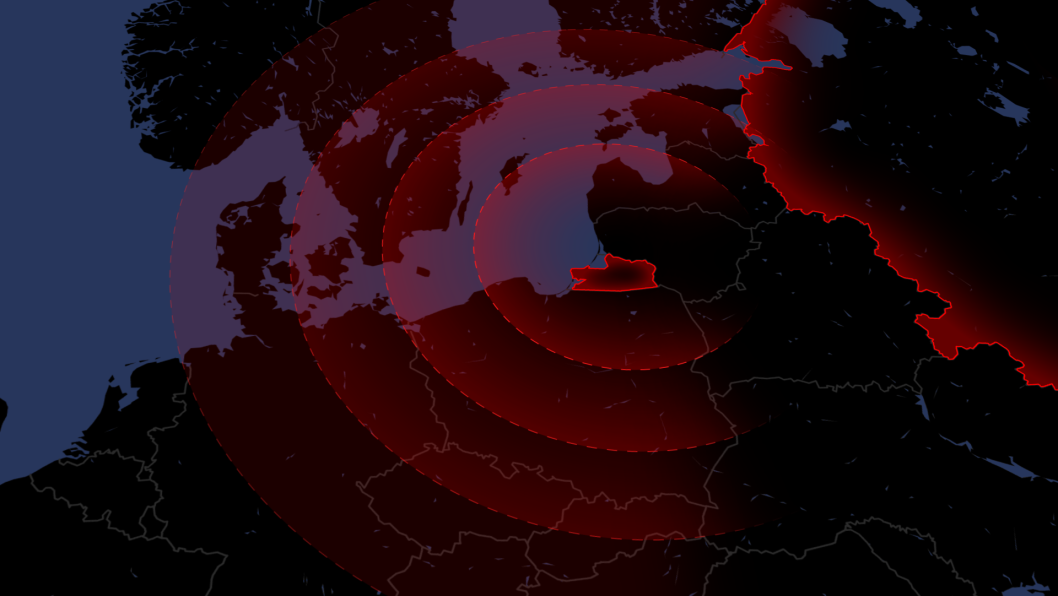
Read more
- Category
- World
Is the Baltic Sea a New Front for Russia’s Electronic Warfare?
Apr 26, 2024 10:07
He insisted that NATO remains fully capable of defending itself—“conventional, but of course also nuclear”—yet warned that the alliance must accelerate preparations. Germany’s armed forces, he said, are improving but still face gaps after decades of underinvestment, FAZ reported.
The minister argued that Europe must become “faster in everything we do,” from procurement to rebuilding troop numbers, and said the threat landscape has shifted dramatically since Russia’s full-scale invasion of Ukraine.
“Now it’s clear: there is a major adversary in Moscow who acts with utter ruthlessness and imperialism,” he said.
Despite the urgency, Pistorius rejected speculation about an immediate danger but said Germany must treat the coming years as decisive: strengthening deterrence, expanding reserves, improving infrastructure, and preparing for the possibility that Russia could once again test NATO’s resolve, according to FAZ.
Previously, it was reported that Germany’s coalition partners announced a compromise over new rules on military service—a key step in the country’s broader effort to rebuild its armed forces after decades of downsizing, Reuters reported.
The model, agreed by Chancellor Friedrich Merz’s conservatives and the centre-left Social Democrats, establishes a hybrid system built around voluntary service with the option of a mandatory call-up if needed.
 Help Ukrainian Units Hold the Drone Line
Related articles