Home » European Travel News » London to EU: A Simple Christmas Meal Deal Could Lead to Serious Consequences – Here’s What You Need to Know
Published on
November 19, 2025

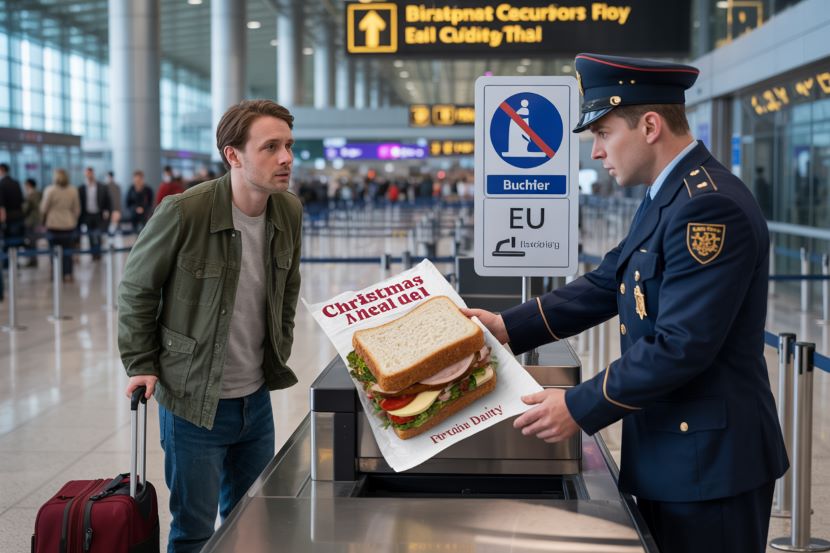
As the holiday season approaches, UK travelers are being reminded of strict biosecurity regulations when traveling to the European Union. One specific area of concern: Christmas meal deals that often include sandwiches, snacks, or other food items containing meat or dairy. While it’s common for people to pack a festive meal deal for the journey, these items could lead to significant consequences at the border if they don’t meet EU entry requirements. The travel advice comes as a warning to ensure that your holiday snacks don’t turn into an expensive mistake.
In a recent update from European Waterways, a travel expert group, UK travelers heading to the EU have been cautioned that carrying meat or dairy products—even as part of a simple meal deal—could lead to the confiscation of the food and even hefty fines. The rules are especially important for those traveling from the UK, as biosecurity guidelines for travelers from non-EU countries are much stricter than those for individuals traveling within the EU.
Why Meat and Dairy Products Are Banned at the EU Border
The EU maintains strict biosecurity regulations to prevent the spread of diseases such as foot-and-mouth disease and African swine fever, which have posed risks to agricultural industries. The European Commission, through the EU Customs and Border Protection guidelines, prohibits meat and dairy products from non-EU countries, such as the UK, from entering the EU to safeguard the local agricultural sector.
Maryanne Sparkes, a travel expert at European Waterways, explained that travelers bringing in foods like sandwiches with meat or dairy could face immediate consequences. The new rules are part of the EU’s broader efforts to prevent outbreaks that could impact public health and farming economies. Though these foods can be consumed within the airport or while on the plane, they must be disposed of before disembarking or entering the terminal in the EU.
What Foods Can Be Brought into the EU from the UK?
While the restrictions on meat and dairy are clear, there are still some allowances for other foods. According to the European Commission, travelers coming from the UK can bring a limited quantity of the following items into the EU:
- Fruit and vegetables: Travelers can bring in a small amount of fruit and vegetables for personal use, though some exceptions apply depending on the type and origin of the produce.
- Eggs and egg products: Certain egg products may be brought into the EU, but these are subject to specific health checks and regulations.
- Honey: Limited amounts of honey (up to 2kg per person) are allowed.
- Fish products: Travelers can bring in up to 20 kg of fish or fish products, as long as the weight does not exceed the equivalent of one whole fish.
- Special food: Special dietary foods or medical food products can be brought in, including baby milk, pet food, and items required for medical reasons, provided they are commercially packaged and unopened.
What Happens If You Violate the Rules?
Failing to comply with the EU’s biosecurity rules can lead to serious consequences. Travelers who attempt to bring in prohibited items like meat or dairy may face confiscation of their food items at customs. Furthermore, in some cases, offenders could face significant fines of up to £5,000 or even criminal prosecution if the violation is severe.
The UK Border Force and EU authorities are vigilant at ports of entry, particularly at airports and other entry points. Officers can confiscate any undeclared food items that are in violation of the regulations, with penalties that could put a damper on your festive spirit. These regulations apply to all travelers from non-EU countries, including UK citizens, so it’s essential to check your baggage and ensure you are compliant with the rules before traveling.
How to Avoid Fines and Troubles with Your Christmas Meal Deal
If you’re planning to travel from the UK to the EU with a Christmas meal deal, it’s important to be aware of the restrictions and take steps to avoid any potential issues. Here are some quick tips to ensure that your holiday travel remains stress-free:
- Check Your Food Items: Before packing your Christmas meal deal, check if any of the ingredients include meat or dairy products. If they do, consider leaving them behind or consuming them at the airport before boarding your flight.
- Consume Your Food Before You Arrive: If you do bring a sandwich with meat or dairy, be sure to consume it while on the plane or at the airport. It must be disposed of before you enter the EU terminal to avoid any fines.
- Look for Alternatives: Instead of carrying meat or dairy, consider opting for items like fruit, vegetables, or sweets that comply with EU regulations. These can still be enjoyed during your flight without worrying about confiscation.
- Know the Rules for Special Food: If you have special dietary needs or are traveling with baby milk, medical food, or pet food, make sure they are commercially packaged and unopened to avoid issues with customs.
- Plan Ahead: If you’re traveling to the EU for the holidays, it’s a good idea to review the latest EU travel regulations ahead of time, especially if you’re departing from the UK, to ensure you’re not caught off guard at the border.
The Impact on Business and Leisure Travelers
For both business and leisure travelers, staying informed about EU biosecurity regulations is crucial, especially during busy travel periods like the Christmas season. Business travelers flying into the EU for meetings, conferences, or other work-related events should be aware of these rules to avoid disruptions during their journey. Similarly, leisure travelers looking to enjoy their holiday meals while en route to their European destinations should ensure their food complies with EU guidelines to prevent unnecessary delays or fines.
Conclusion: Stay Informed to Ensure a Smooth Holiday Journey
As the Christmas holiday season approaches, UK travelers heading to the EU need to be aware of the strict rules regarding food items, particularly those involving meat and dairy. While these regulations are designed to protect the EU’s agricultural industry, they can lead to significant fines if not adhered to. By planning ahead, checking your travel items, and being aware of the rules, you can ensure that your trip remains enjoyable without the risk of food confiscation or costly penalties. Always check with UK government resources or EU customs websites for the latest guidelines before packing your holiday meal.
Key Points:
- UK travelers are prohibited from bringing meat or dairy products into the EU due to strict biosecurity regulations.
- Fines up to £5,000 can be imposed for non-compliance, with food items being confiscated by Border Force.
- Alternatives like fruit, vegetables, and sweet treats can be safely brought into the EU without issue.
- Special food like baby milk and medical foods are exempt but must be commercially packaged and unopened.
- Check EU regulations before your trip to avoid fines and ensure compliance with biosecurity rules.
By following the guidelines, travelers can enjoy a smooth journey to the EU without unexpected challenges at customs.
Disclaimer: The Attached Image in This Article is AI Generated
