By PAUL O’DONOGHUE, Senior Correspondent
SIMPLIFYING AML rules across the EU will help institutions to share data to combat financial crime, according to a senior European Commission figure.
Claude Bocqueraz is Deputy Head of the Financial Crime Unit at the European Commission’s DG-FISMA, said the move will be spearheaded by AMLA, the EU’s new Anti-Money Laundering Authority.
“For years, one of the biggest bottlenecks in the AML system has been the difficulty of exchanging data and information,” she said.
[The] new EU AML package has taken significant steps to enhance cooperation and information sharing at all levels. [It] introduces a legal basis for public private information sharing partnership. AMLA’s coordination role will also be critical here. Because Anna will set safeguards to ensure that protection and facilitate collaboration. AMLA will help foster a more intelligent use of information.”
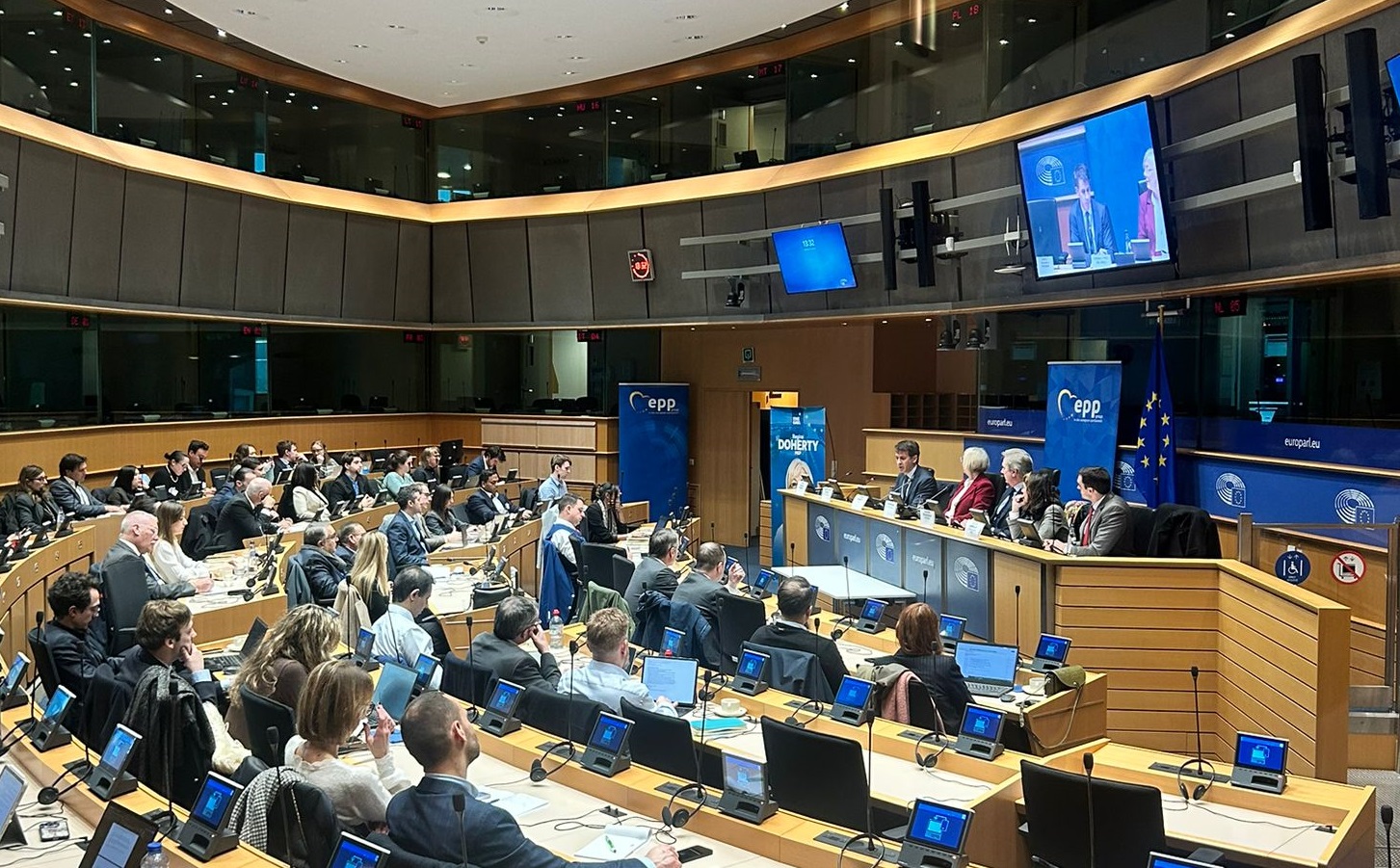
Bocqueraz spoke at a roundtable meeting of the AML Intelligence ‘Compliance Council’ in the European Parliament.
The event also featured:
- Regina Doherty MEP, on the EU’s efforts to fight fraud
- Isabel Benjumea Benjumea MEP on challenges to fighting FinCrime
- Julien Jardelot , DT4C Alliance Member, Head of Government Relations, LSEG
- Gonzalo Perez del Arco Angelino, Vice President, Government Affairs, American Express
Bocqueraz also said that simplifying AML rules will ensure that private companies can operate more easily across the EU. Currently, different EU regulators in various countries apply different standards, which can often differ greatly.
Bocqueraz said simplifying AML rules will ensure that there is a standard EU approach to AMLoversight.
“Simplification requires building supervisory capacity, especially in the non-financial sector, where practices and resources still vary widely,” she said.
“AMLA’s future work will be mapping supervisory practices resources, conducting peer reviews and delivering targeted training. [This] which will help ensure that all [EU] supervisors apply the same principle to the same standard.”
She added: “ This will also reduce fragmentation with closed compliance gaps in the non financial sector. And make it easier for both supervisors and [obliged] entities to understand what is expected from them.”
 We hope you enjoyed reading this article