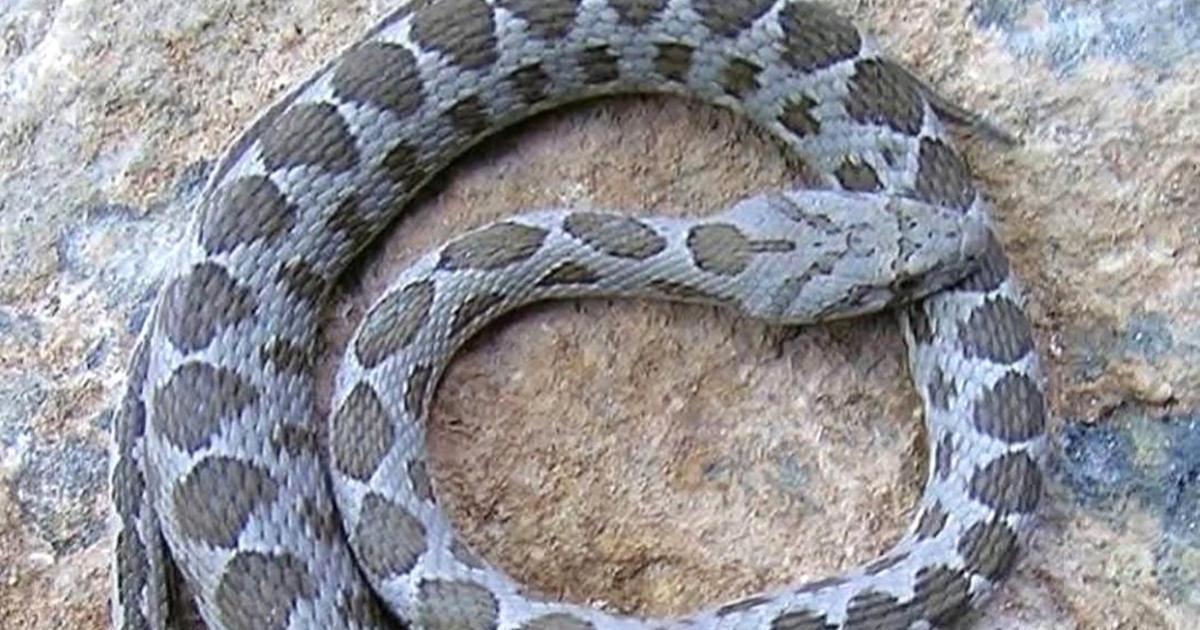
A new alien snake species spotted in Malta is harmless to humans but could have a devastating impact on another endemic native reptile if not contained.
The Coin-marked snake (Hemorrhois nummifer) has recently been spotted in Marsascala, Delimara and Marsaxlokk. It is usually found in regions of southeastern Europe, Central Asia, and northeastern Africa.
Alien species are plants or animals that are not native to the Maltese islands, and which are introduced, either intentionally or accidentally, into the environment. Invasive non-native species have established a breeding population and usually harm the native biodiversity.
Naturalist and pest control expert Arnold Sciberras said the first sighting of the reptile took place in 2022, and at the time, he was not concerned that the situation would be serious.
Since then, there have been another nine sightings of the alien snake species in the south of the island.
Sciberras believes the snake entered the island on cargo imports, which he said would explain why the sightings are in the south, being close to the Freeport
Sciberras believes the snake entered the island on cargo imports, which he said would explain why the sightings are in the south, being close to the Freeport.
“We are now studying the snakes’ sheddings and droppings for DNA testing to understand the species more and establish if there is a growing population.”
There may be more coin-marked snakes across the island, as the naturalist explained how the public could mistake it for the Maltese rare Leopard snake (Zamenis situla).
Nick Dobbs, a British herpetologist and expert on Maltese snakes, said the non-native reptile is closely related to the Horseshoe Whip snake (Hemorrhois hippeocrepis), a species accidentally introduced 20 years ago in Ibiza, and since then harmed the endemic Ibiza Wall Lizard. Dobbs worries history would repeat itself in Malta.
“There is a very real concern that should the Coin-marked snake gain traction in Malta, it could have a significant detrimental impact on the Maltese Wall Lizard (Podarcis filfolensis),” he said.
The Maltese islands are home to four native snakes: the Western Whipsnake (Is-Serp l-Iswed), Leopard Snake (Il-Lifgħa), the European Cat Snake (It-Teleskopu) and the Algerian Whipsnake (Is-Serp l-Aħdar). All four reptiles are not harming other native species.
What should you do if you spot this snake?
Both Dobbs and Sciberras said if the public spots a dubious-looking Leopard snake trapped in an area, they should not make any attempt to release it in the wild.
“Ideally, the snake should not be left running loose and should be contained so it doesn’t establish itself on the island,” Sciberras said.
The experts warned that the island has excellent conditions for the snake to establish itself and become invasive.
Any sightings should be flagged to the Facebook page ‘Malta herpetological Society’ or directly to Sciberras on his number 9911 3445.
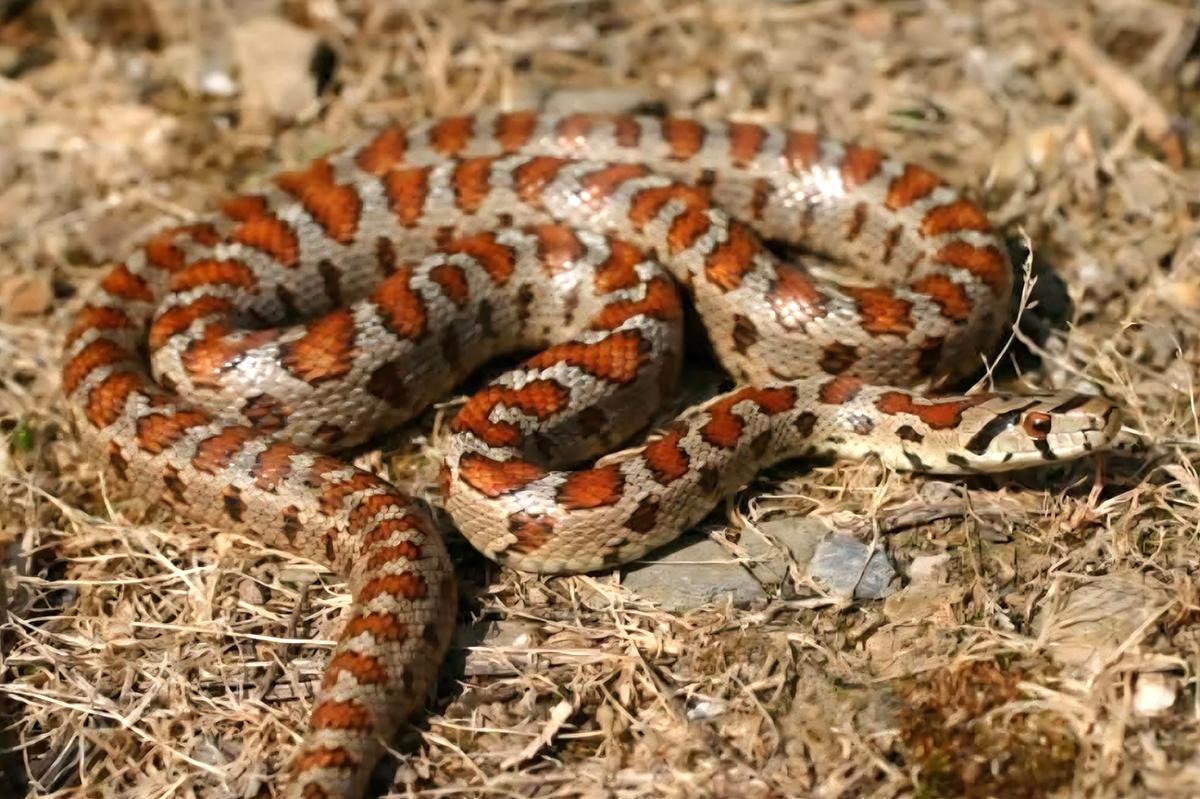 The alien species may be mistaken for a local Leopard snake.
Malta’s growing issue with invasive alien species
Dobbs, along with his daughter Ellie Dobbs, is conducting research on the four native snakes and said the Coin-marked snake has the potential to be invasive if it gains traction.
“Sadly, the Maltese islands do not have a great track record in eradicating invasive species, the Red Swamp Crayfish being a case in point,” he highlighted.
The invasive crayfish has made Chadwick Lakes its home, and back in 2017, environmentalist Alan Deidun warned the species was “spreading like hell”.
The species are known to wreak havoc on freshwater species, such as the painted frog and freshwater crab. Last year, some 4,500 crayfish were removed from Chadwick Lakes.
Back in September, researchers spotted three alien fish species – Diamond Lizard Fish, Wahoo, and Lagocephalus guentheri – in Maltese waters.