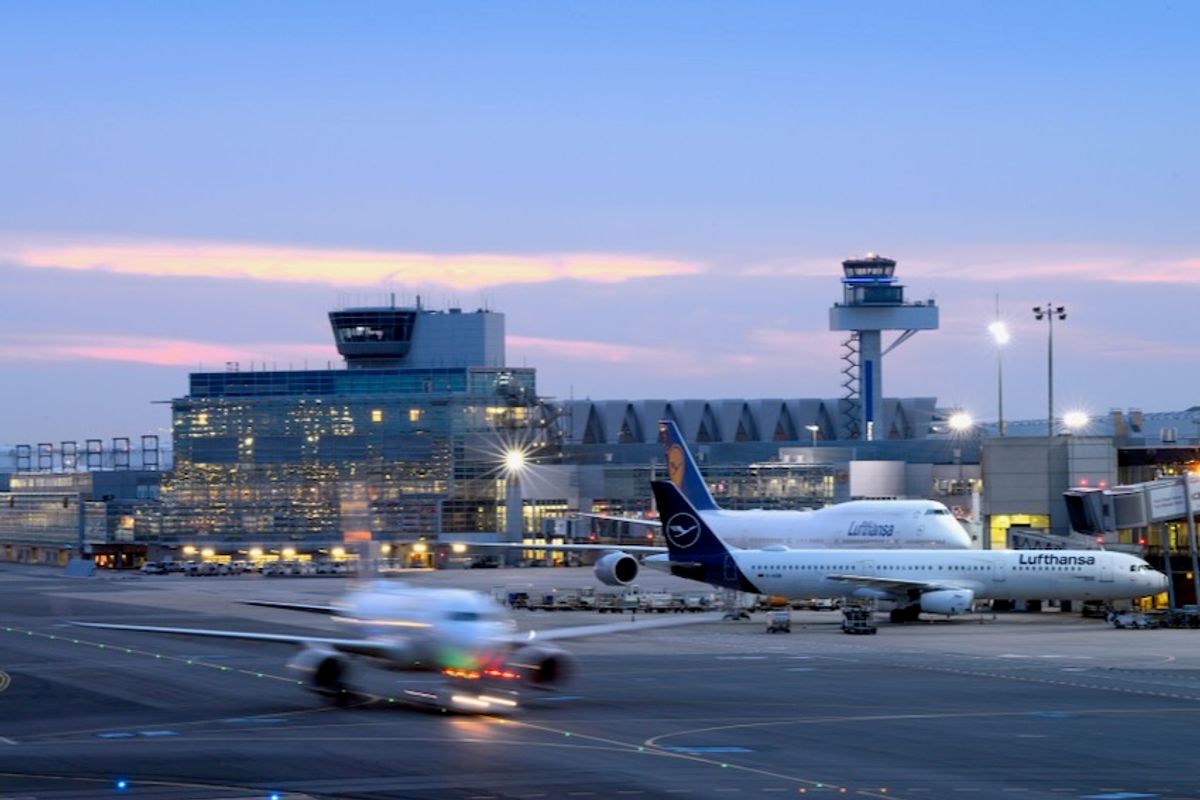
The German coalition government has announced a set of relief measures for the aviation sector, including a planned reduction in air ticket taxes.
The Merz government last week announced that it will reverse the increase in the country’s air passenger tax introduced last year, with the change scheduled to take effect on 1 July 2026.
The previous government had raised air passenger taxes by 20 per cent, which received criticism from the German travel buyer association VDR and airline groups such as IATA. Low-cost carriers EasyJet and Ryanair have recently reduced flight capacity in Germany, citing increased access costs.
With the reduction, air ticket taxes will decrease by between €3 and €14 per passenger, depending on the route. For long-haul flights, the tax will drop from €70.83 to €58.06 per passenger.
Additional measures outlined by the German government include a phased reduction in air traffic control fees by more than 10 per cent by 2029, and a decrease in costs related to security checks.
VDR welcomed the move, describing it as “a step in the right direction for businesses, for mobility [and] for Germany as a business location”.
The association, in a statement, added that the decision “creates urgently needed planning certainty and contributes to making business travel efficient, attractive and well-connected in the future”.