A major anti-corruption investigation in Spain is now looking into whether political influence played a role in approving Acciona’s EUR 887 million desalination plant project in Morocco, a deal closed in partnership with companies owned by Morocco’s Head of Government, Aziz Akhannouch, according to reporting by Spanish outlets El Confidencial and The Objective.
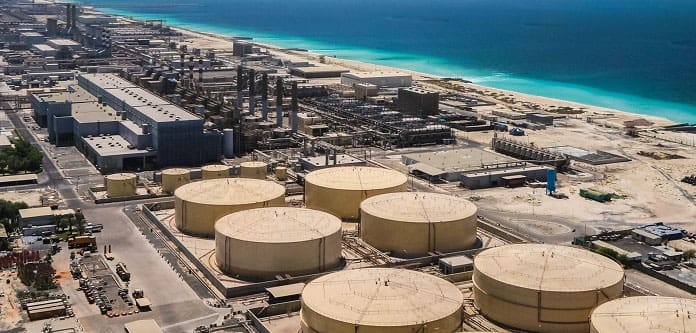
Led by Spain’s elite police unit UCO, the probe centers on allegations that senior Spanish political figures may have helped Spanish infrastructure giant Acciona secure major contracts abroad, including the construction of the Sidi Rahal desalination plant near Casablanca, the largest of its kind in Africa.
The investigation is focusing on possible wrongdoing in Spain, but Spanish media report that the involvement of Akhannouch’s business group was a decisive factor in Morocco’s selection of Acciona.
According to the investigation, Santos Cerdán, a top official in Spain’s governing PSOE, traveled to Morocco during an official visit with former ministers José Luis Ábalos and Koldo García. Spanish media report that Acciona’s leadership asked Cerdán to obtain political backing in Morocco that could help secure contracts for the company.
Investigators are examining whether the methods allegedly used in Spain, involving a company called Servinabar that police say handled illicit commissions, may have been replicated in foreign deals.
Acciona won the contract for the Sidi Rahal project in November 2023, beating five other international consortia. Its Moroccan partners were Green of Africa and Afriquia Gaz, both part of the Akwa Group, the conglomerate led by Akhannouch. Spanish media say rival companies believed the process was effectively settled once Akhannouch’s companies joined the Acciona consortium, with some competitors choosing not to continue submitting documents because they viewed the outcome as predetermined.
Although the investigation does not accuse Morocco’s government of corruption, Spanish reporting suggests that the political and corporate alignment between Acciona and Akhannouch’s group played a significant role in how the procurement process unfolded.
After winning the contract, Acciona still needed final financing to begin construction. In 2025, Spain announced that it would provide EUR 340 million in public funding for the project, covering roughly 40% of the total cost. This included EUR 250 million from Spain’s FIEM fund, EUR 70 million in state-backed export credit insurance, and EUR 31 million from the FIEX investment fund managed by the public agency COFIDES.
Spanish media reported that Acciona appeared confident it would receive this government support as early as 2023, shortly after Madrid restored diplomatic ties with Rabat by endorsing Morocco’s autonomy plan for the Sahara region.
As part of their investigation, UCO officers raided Acciona offices in Madrid and Bilbao and searched homes linked to former Acciona executive Justo Vicente Pellegrini. They are reportedly looking for contracts, communications, or financial documents that could reveal whether Spanish political operatives attempted to influence Morocco’s decision or benefited from the project’s financing.