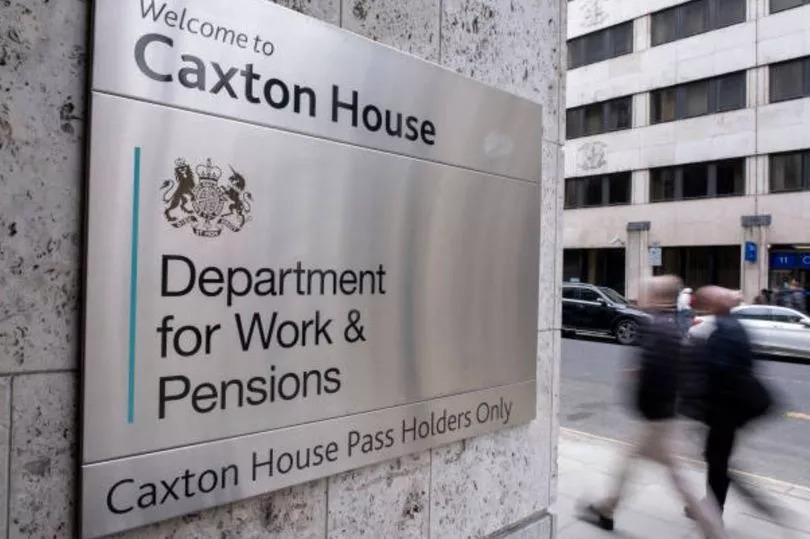
State pension payments of £921 are landing for retirees in November. The Department for Work and Pensions, or DWP, is set to administer payments to older people throughout the penultimate month of the year.
A DWP rise, which took effect at the start of the 2025/26 financial year in April, increased the full basic State Pension to £176.45 per week and the full new State Pension up to £230.25 per week.
A specific code in your National Insurance number should tell you the exact date you are normally paid your state pension. You’ll need to look at the last two digits.
READ MORE SUV drivers face new ‘premium’ to park their cars in part of UK
If the digits are between 00 and 19, you are paid on a Monday. It’s Tuesday if they are between 20 and 39, and Wednesday if the digits are between 40 and 59.
Numbers 60 to 79 are paid on a Thursday and numbers 80 to 99 are usually paid on Fridays. But the state pension is usually paid every four weeks, which means you might not actually see your pay rise until May.
There are different rules if you live abroad, where you can choose to be paid every four or 13 week.
You’ll also be paid in local currency, which means the amount you get may change due to exchange rates. You can be paid into a UK bank or a bank in the country you’re living in.
The DWP explains: “You’ll be asked when you want to start getting your State Pension when you claim. Your first payment will be no later than 5 weeks after the date you choose. You’ll get a full payment every 4 weeks after that.
“You might get part of a payment before your first full payment. The letter confirming your State Pension payment will tell you what to expect.
“The day your pension is paid depends on your National Insurance number. You might be paid earlier if your normal payment day is a bank holiday.”